
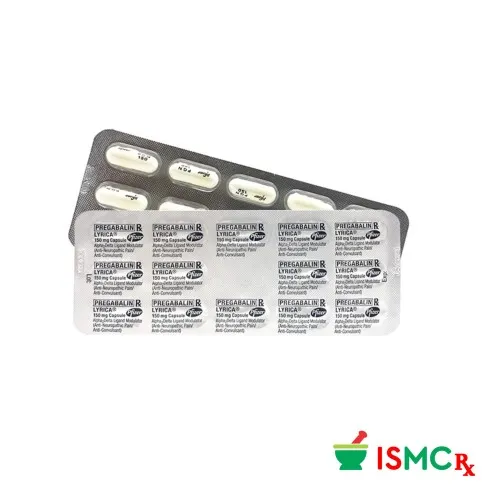
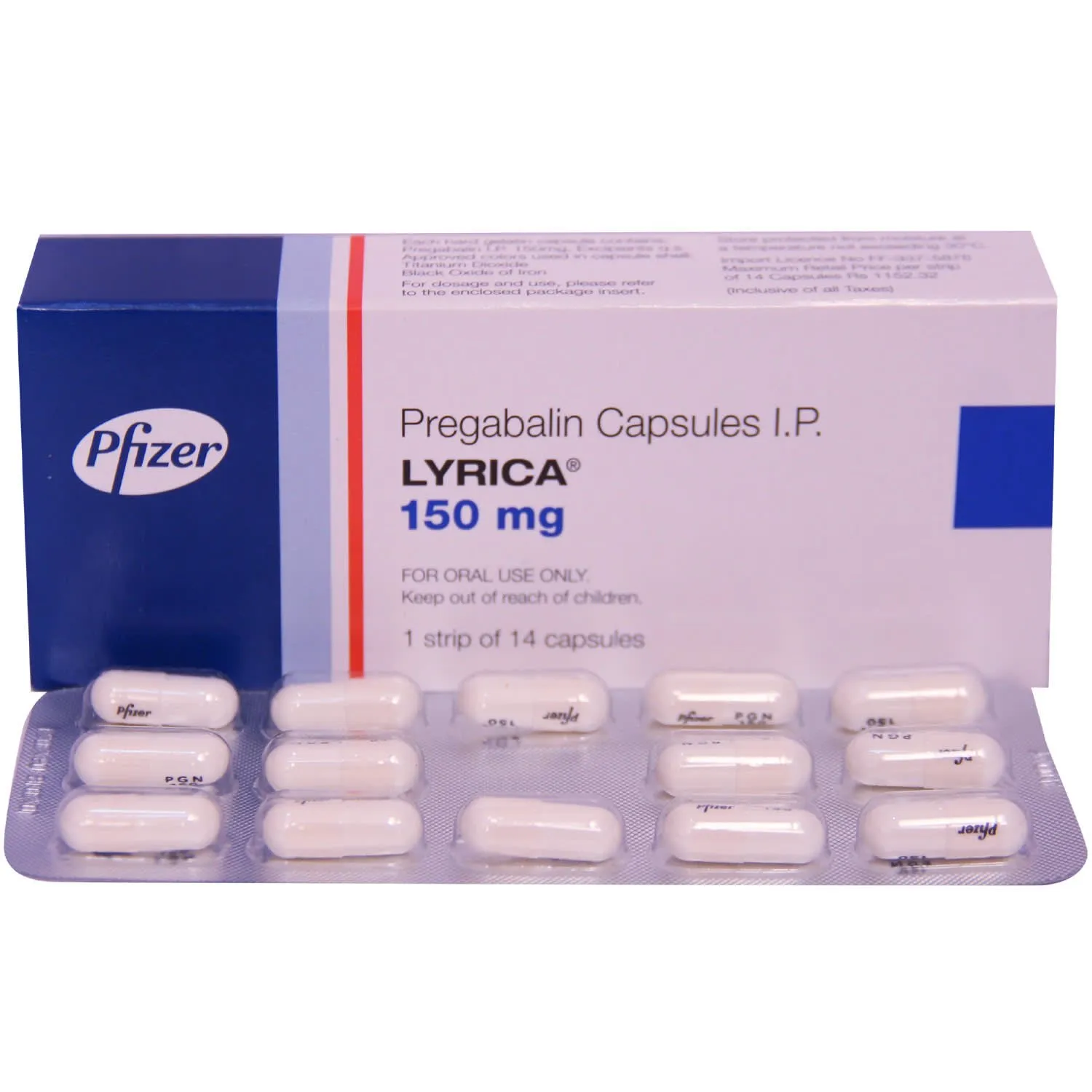
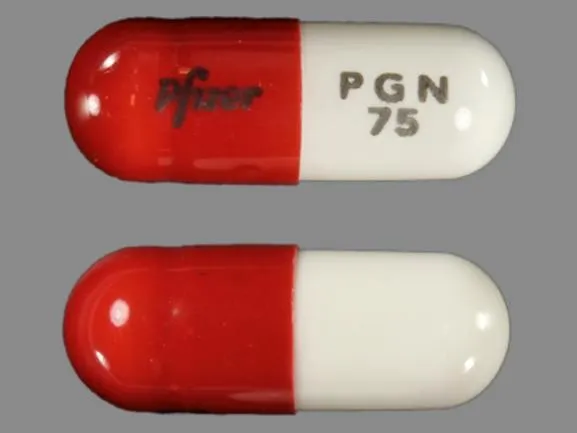

Comprehensive Guide to Lyrica (Pregabalin): Clinical Overview
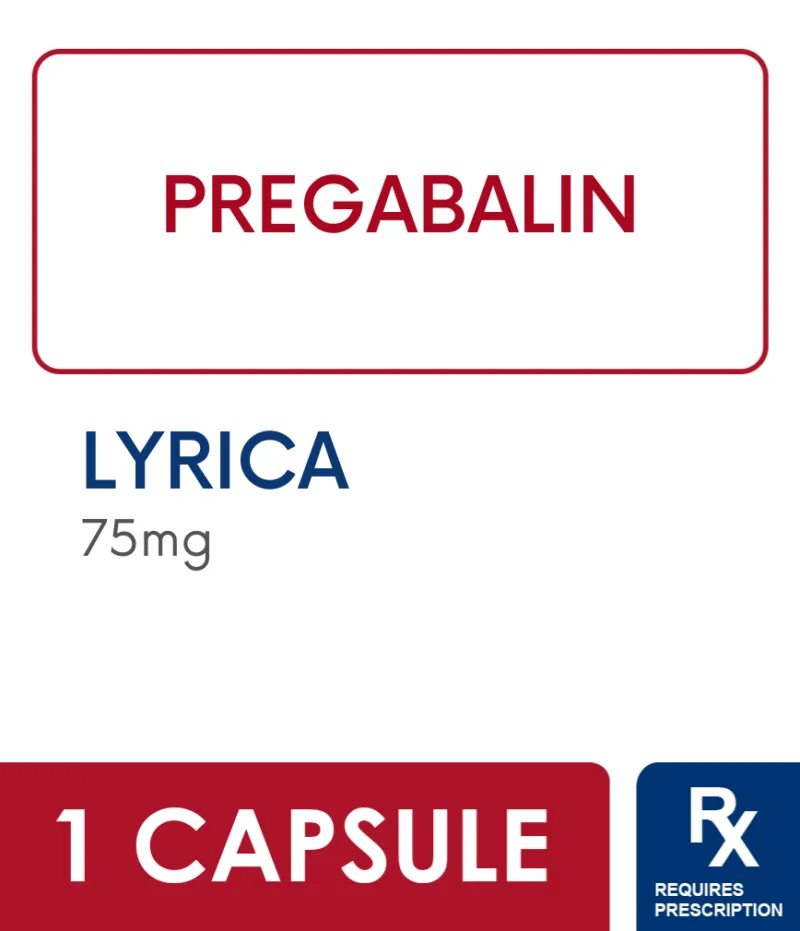
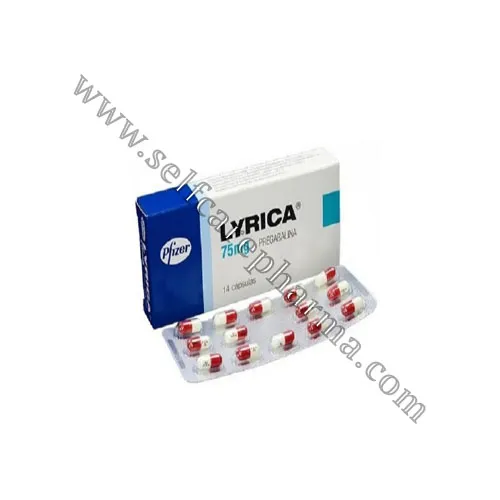
Lyrica, known generically as Pregabalin, is a potent prescription medication primarily classified as an anticonvulsant and analgesic. Since its FDA approval, it has become a cornerstone therapy for various neuropathic pain conditions and seizure disorders. As an orthopedic specialist, I frequently encounter patients suffering from chronic nerve-related pain who benefit significantly from the modulation of neurotransmitter activity provided by this medication.
This guide serves as a clinical resource for understanding the pharmacodynamics, indications, and safety protocols surrounding the administration of Lyrica.
Mechanism of Action and Pharmacokinetics
How Lyrica Works
Pregabalin is a structural derivative of the inhibitory neurotransmitter gamma-aminobutyric acid (GABA), yet it does not bind directly to GABA receptors. Instead, its therapeutic efficacy is derived from its high affinity for the alpha-2-delta (α2δ) subunit of voltage-gated calcium channels in the central nervous system (CNS).
By binding to this subunit, Pregabalin reduces the calcium-dependent influx at nerve terminals. This modulation inhibits the release of excitatory neurotransmitters such as:
* Glutamate
* Norepinephrine
* Substance P
This reduction in synaptic activity effectively "calms" overactive neurons, which is why it is highly effective in treating neuropathic pain and focal seizures.
Pharmacokinetics Table
| Feature | Description |
|---|---|
| Bioavailability | ≥ 90% (independent of dose) |
| Onset of Action | Within 1 hour |
| Protein Binding | 0% |
| Metabolism | Negligible (excreted primarily unchanged) |
| Half-life | Approximately 6.3 hours |
| Excretion | Primarily renal (via urine) |
Clinical Indications and Therapeutic Usage
Lyrica is FDA-approved for several distinct clinical conditions. It is essential to note that dosage titration is crucial to minimize adverse effects.
Primary Indications
- Neuropathic Pain associated with Diabetic Peripheral Neuropathy: Management of burning or shooting pain caused by diabetes.
- Postherpetic Neuralgia (PHN): Nerve pain following a shingles outbreak.
- Fibromyalgia: Management of widespread musculoskeletal pain and tenderness.
- Adjunctive Therapy for Partial-Onset Seizures: Used in patients 1 month and older.
- Neuropathic Pain associated with Spinal Cord Injury: Management of central neuropathic pain.
Dosage Guidelines
Dosage must be individualized based on the patient's renal function and clinical response.
- Neuropathic Pain (Diabetic/PHN): Starting dose is typically 50 mg three times daily (150 mg/day). May be increased to 300 mg/day within a week based on efficacy and tolerability.
- Fibromyalgia: Starting dose is 75 mg twice daily (150 mg/day). Can be increased to 300–450 mg/day.
- Renal Impairment: Because Lyrica is excreted renally, dosages must be adjusted in patients with a creatinine clearance (CrCl) of less than 60 mL/min.
Risks, Side Effects, and Contraindications
Adverse Effects
While generally well-tolerated, patients should be monitored for the following:
- Common: Dizziness, somnolence (drowsiness), peripheral edema (swelling of hands/feet), dry mouth, and weight gain.
- Serious: Angioedema (swelling of face/throat), hypersensitivity reactions, increased risk of suicidal thoughts, and respiratory depression (especially when combined with opioids).
Contraindications and Precautions
- Hypersensitivity: Patients with a known allergy to Pregabalin or any of its components.
- Respiratory Risk: Use with extreme caution in patients with underlying respiratory conditions or those taking CNS depressants.
- Pregnancy and Lactation:
- Pregnancy: Data suggests potential risks of major birth defects. It should only be used if the potential benefit justifies the risk to the fetus.
- Lactation: Pregabalin is excreted in human milk. Caution is advised, and breastfeeding should be discussed with a pediatrician.
Significant Drug Interactions
| Interacting Agent | Potential Effect |
|---|---|
| Opioids | Increased risk of severe respiratory depression and sedation. |
| Benzodiazepines | Synergistic CNS depression (increased sedation/ataxia). |
| ACE Inhibitors | Increased risk of angioedema. |
| Thiazolidinediones | Increased risk of weight gain and peripheral edema. |
Overdose Management
In the event of an overdose, there is no specific antidote for Pregabalin. Management is supportive and includes:
1. Gastric Lavage: If ingestion was recent.
2. Monitoring: Continuous cardiac and respiratory monitoring.
3. Hemodialysis: May be considered in patients with severe renal failure or massive overdose, as Pregabalin is dialyzable.
Frequently Asked Questions (FAQ)
1. Does Lyrica cause weight gain?
Yes, weight gain is a known side effect of Lyrica. It is often related to peripheral edema (fluid retention) rather than fat accumulation, but patients should monitor their weight during treatment.
2. Can I stop taking Lyrica suddenly?
No. Abrupt discontinuation can lead to withdrawal symptoms such as insomnia, nausea, headache, and diarrhea. Always taper the dose under the guidance of your physician.
3. Is Lyrica a narcotic or a controlled substance?
In the United States, Pregabalin is classified as a Schedule V controlled substance due to its potential for misuse and physical dependence.
4. How long does it take for Lyrica to start working?
While some patients experience relief within a few days, it may take 2 to 4 weeks of consistent dosing to achieve the full therapeutic effect.
5. Can I drink alcohol while on Lyrica?
Alcohol enhances the sedative effects of Lyrica, increasing the risk of dizziness, drowsiness, and impaired coordination. It is generally advised to avoid or strictly limit alcohol consumption.
6. Is Lyrica the same as Gabapentin?
They are in the same class (gabapentinoids) and have similar mechanisms, but they are different medications with different potencies and pharmacokinetic profiles. Lyrica is generally considered more potent.
7. Does Lyrica affect my ability to drive?
Lyrica can cause dizziness and somnolence. Patients should avoid operating heavy machinery or driving until they know how the medication affects them.
8. What should I do if I miss a dose?
Take the missed dose as soon as you remember. However, if it is almost time for your next dose, skip the missed one. Do not take two doses at once.
9. Can Lyrica be used for anxiety?
While Pregabalin is approved for Generalized Anxiety Disorder (GAD) in some countries, it is not currently FDA-approved for that indication in the United States.
10. How is Lyrica excreted?
Lyrica is primarily excreted unchanged through the kidneys. This is why kidney function tests are essential before and during treatment.
Medical Disclaimer: This guide is for educational purposes only and does not constitute professional medical advice, diagnosis, or treatment. Always seek the advice of your physician or qualified health provider with any questions regarding a medical condition or medication.