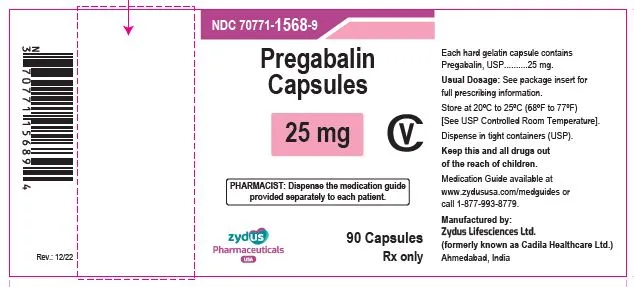

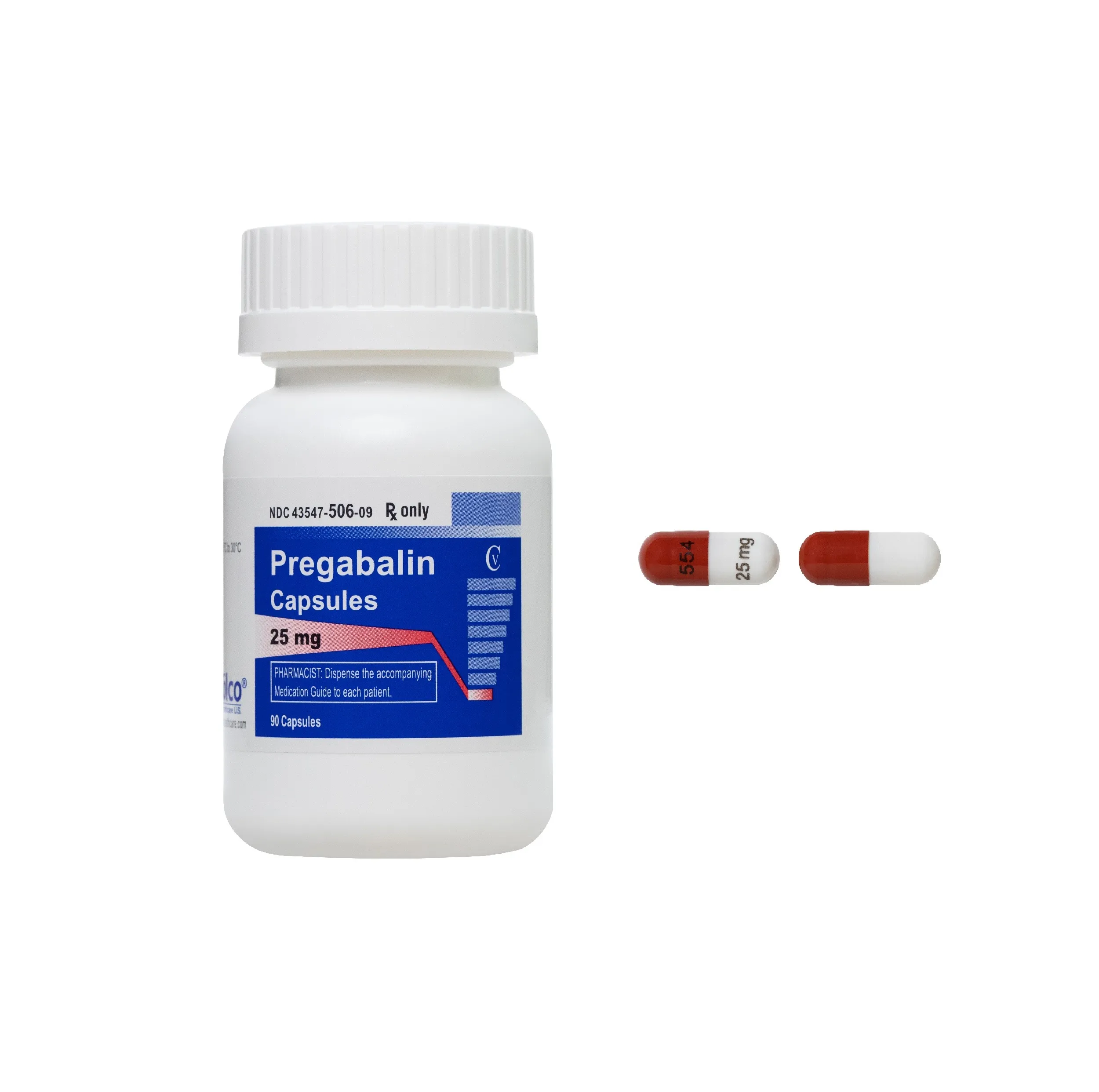
Comprehensive Guide to Lyrolin (Pregabalin)
Lyrolin, containing the active ingredient Pregabalin, is a potent pharmaceutical agent primarily classified as an anticonvulsant and analgesic. In the landscape of orthopedic and neurological medicine, it serves as a cornerstone treatment for neuropathic pain and various seizure disorders. This guide provides an exhaustive clinical overview of its therapeutic utility, pharmacological profile, and safety considerations.
Mechanism of Action: How Lyrolin Functions
Pregabalin is a structural analogue of the inhibitory neurotransmitter gamma-aminobutyric acid (GABA), yet it does not exert its effects through GABAergic receptors. Instead, its efficacy is derived from its high affinity for the alpha-2-delta ($\alpha_2\delta$) subunit of voltage-gated calcium channels in the central nervous system (CNS).
The Neuro-Modulatory Process
- Binding: Pregabalin binds to the $\alpha_2\delta$ protein subunit of voltage-gated calcium channels.
- Inhibition: By binding to this site, it modulates the influx of calcium into nerve terminals.
- Neurotransmitter Release: This reduction in calcium influx leads to a decrease in the release of excitatory neurotransmitters, including glutamate, noradrenaline, and substance P.
- Analgesic Effect: By dampening the hyperexcitability of neurons, Lyrolin effectively reduces the transmission of pain signals, particularly in chronic neuropathic conditions.
Pharmacokinetics
Understanding how the body processes Lyrolin is essential for clinical dosing.
| Feature | Description |
|---|---|
| Bioavailability | $\geq$ 90% (independent of dose) |
| Peak Plasma Time | Approximately 1 hour |
| Protein Binding | 0% |
| Metabolism | Negligible (Renal excretion is primary) |
| Half-life | ~6.3 hours |
Extensive Clinical Indications & Usage
Lyrolin is indicated for a variety of conditions where nerve signaling is disrupted or overactive.
1. Neuropathic Pain
It is a first-line treatment for pain resulting from peripheral neuropathy, often associated with diabetes or post-herpetic neuralgia.
2. Fibromyalgia
Lyrolin is FDA-approved for the management of fibromyalgia, helping to reduce widespread musculoskeletal pain and associated fatigue.
3. Epilepsy
Used as an adjunctive therapy for adults with partial-onset seizures. It is not indicated for monotherapy in primary generalized seizures.
4. Generalized Anxiety Disorder (GAD)
In specific jurisdictions, Pregabalin is prescribed for the management of GAD in adults where other first-line treatments have proven insufficient.
Dosage Guidelines
Dosage must be individualized based on clinical response and renal function.
- Initial Dose: Typically 150 mg per day, divided into two or three doses.
- Titration: Can be increased to 300 mg per day after one week based on efficacy and tolerability.
- Maximum Dose: 600 mg per day.
- Renal Impairment: Dosage must be adjusted for patients with creatinine clearance (CrCl) below 60 mL/min.
Risks, Side Effects, and Contraindications
Common Side Effects
- Dizziness and somnolence (the most frequent reports).
- Peripheral edema (swelling of hands/feet).
- Weight gain.
- Blurred vision or dry mouth.
Serious Risks
- Angioedema: Potential for swelling of the face, mouth, and neck.
- Suicidal Ideation: As with many anticonvulsants, monitoring for mood changes is required.
- Dependency/Abuse: Due to its euphoric potential, it is a controlled substance in many regions.
Contraindications
- Hypersensitivity: Known allergy to Pregabalin or any of its excipients.
- Renal Failure: Use with extreme caution or avoid in end-stage renal disease without dialysis.
Drug Interactions
| Interacting Agent | Potential Effect |
|---|---|
| CNS Depressants (Opioids, Benzodiazepines) | Increased risk of respiratory depression and profound sedation. |
| ACE Inhibitors | Increased risk of angioedema. |
| Thiazolidinediones | Increased risk of weight gain and peripheral edema. |
Pregnancy and Lactation Warnings
- Pregnancy: Data suggests potential risks for fetal development. It should only be used if the potential benefit justifies the potential risk to the fetus.
- Lactation: Pregabalin is excreted in human milk. It is generally recommended to avoid breastfeeding while on this medication.
Overdose Management
Symptoms of overdose include confusion, somnolence, agitation, and, in extreme cases, coma. There is no specific antidote for Pregabalin. Management is supportive:
1. Gastric Lavage: If ingestion was recent.
2. Activated Charcoal: To reduce absorption.
3. Hemodialysis: May be considered in patients with severe renal impairment or life-threatening overdose levels.
Frequently Asked Questions (FAQ)
1. Is Lyrolin a narcotic?
No, it is not an opioid, but it is a controlled substance due to its potential for misuse and physical dependence.
2. Can I stop taking Lyrolin abruptly?
No. Abrupt discontinuation can lead to withdrawal symptoms such as insomnia, headache, nausea, and anxiety. Always taper off under medical supervision.
3. How long does it take for Lyrolin to work?
Some patients notice relief within a few days, but it may take 2–4 weeks to reach full therapeutic effect for chronic pain.
4. Does Lyrolin cause weight gain?
Yes, weight gain is a documented side effect, often linked to increased appetite and peripheral edema.
5. Can I drink alcohol while taking Lyrolin?
It is strongly advised to avoid alcohol, as it significantly enhances the sedative effects of the medication.
6. Does Lyrolin treat inflammation?
No. It is a nerve pain medication, not an anti-inflammatory (NSAID). It will not reduce swelling from an injury.
7. Is Lyrolin the same as Gabapentin?
They are in the same class and have similar mechanisms, but Pregabalin (Lyrolin) has more predictable pharmacokinetics and higher bioavailability.
8. What should I do if I miss a dose?
Take it as soon as you remember. If it is almost time for your next dose, skip the missed dose. Do not double the dose.
9. Will Lyrolin affect my driving?
It can cause dizziness and drowsiness. Do not operate heavy machinery until you know how the medication affects you.
10. Can children take Lyrolin?
Safety and efficacy in pediatric patients have not been established for most indications. Consult a pediatrician.
Conclusion
Lyrolin (Pregabalin) is a highly effective tool in the orthopedic and neurological toolkit for managing neuropathic pain and complex seizure disorders. Its ability to modulate calcium channels provides a targeted approach to pain relief that differs significantly from traditional analgesics. However, due to its potential for side effects and dependency, it must be used strictly under clinical supervision. Patients are encouraged to maintain open communication with their healthcare providers regarding dosage adjustments and any emerging side effects to ensure optimal therapeutic outcomes.
Disclaimer: This guide is for educational purposes only and does not constitute medical advice. Always consult with a licensed physician before starting or altering any medication regimen.