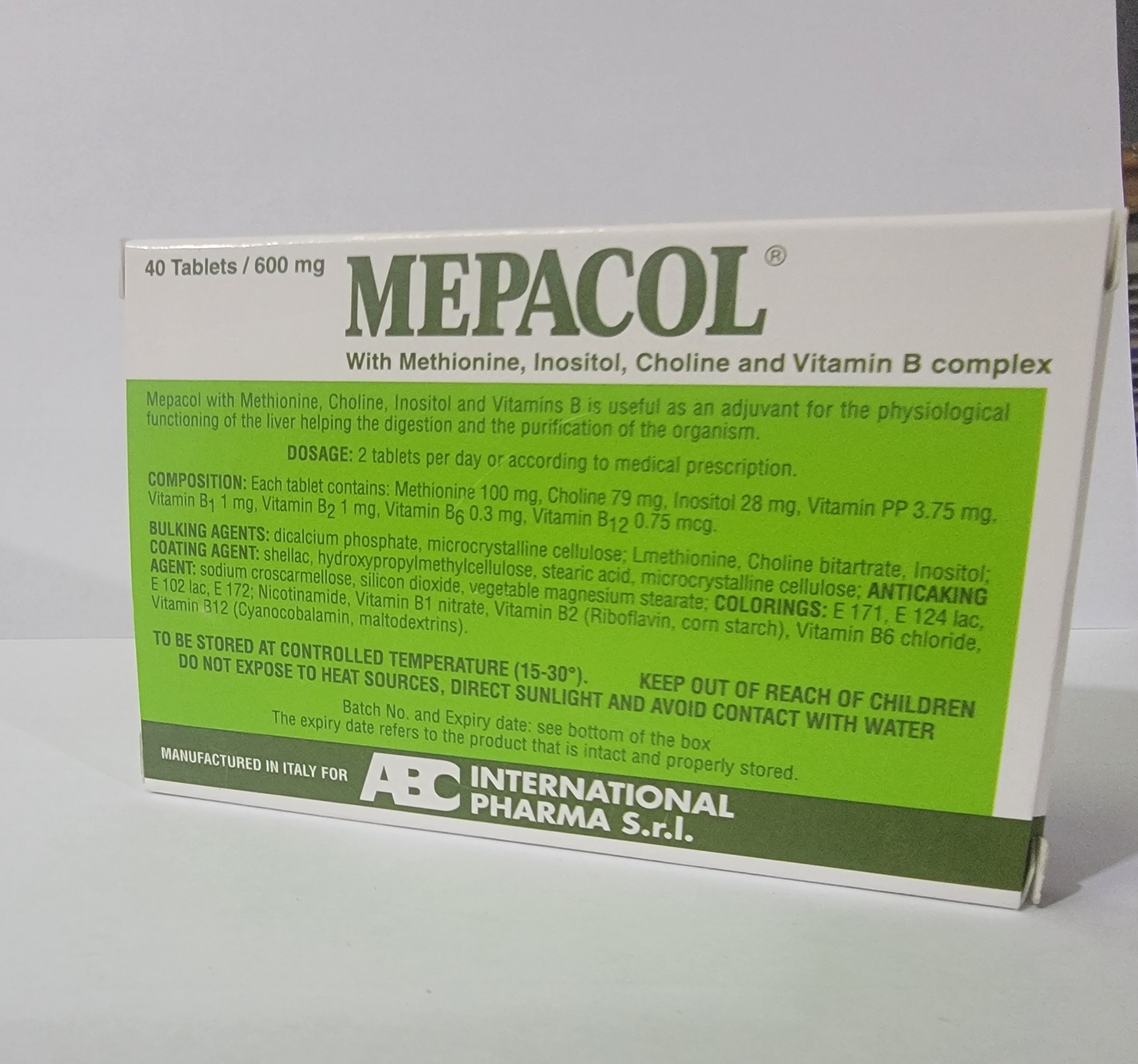

Introduction to Mepacol Tablets
Mepacol tablet is a pharmaceutical formulation primarily utilized in the management of pain, inflammation, and associated musculoskeletal conditions. In the field of orthopedics and general medicine, Mepacol is frequently prescribed for its analgesic and anti-inflammatory properties. As with any pharmacological agent, understanding the pharmacodynamics, pharmacokinetics, and the safety profile of Mepacol is essential for both healthcare providers and patients to ensure optimal therapeutic outcomes and minimize the risk of adverse events.
This guide provides an exhaustive clinical overview of Mepacol, detailing how it interacts with the human body, when it is clinically indicated, and the strict safety parameters that must be observed during treatment.
Technical Specifications and Mechanism of Action
To understand the efficacy of Mepacol, one must delve into its biochemical mechanism. Mepacol generally functions as a non-steroidal anti-inflammatory drug (NSAID) or a combination analgesic agent, depending on the specific regional formulation.
The Cyclooxygenase (COX) Inhibition Pathway
The primary mechanism of action for Mepacol involves the inhibition of the cyclooxygenase enzymes (COX-1 and COX-2). These enzymes are responsible for the conversion of arachidonic acid into prostaglandins—lipid compounds that mediate pain, fever, and inflammation.
* COX-2 Inhibition: By blocking the COX-2 enzyme, Mepacol reduces the production of prostaglandins at the site of tissue injury, thereby decreasing inflammatory response and pain perception.
* COX-1 Interaction: While COX-2 inhibition provides the therapeutic benefit, some formulations may affect COX-1, which is responsible for maintaining the gastric mucosal lining. This explains the necessity for gastrointestinal monitoring during long-term use.
Pharmacokinetics
The pharmacokinetics of Mepacol determine how the drug moves through the body:
* Absorption: Mepacol is typically well-absorbed following oral administration. Peak plasma concentrations are usually reached within 1 to 3 hours post-ingestion.
* Distribution: The medication shows high protein binding, primarily to albumin, allowing it to distribute effectively throughout the peripheral tissues where inflammation occurs.
* Metabolism: Hepatic metabolism via the cytochrome P450 enzyme system is the primary route of biotransformation.
* Excretion: The metabolites are predominantly excreted via the renal system (urine), necessitating caution in patients with pre-existing renal impairment.
Clinical Indications and Usage
Mepacol is indicated for a variety of conditions where pain management and inflammation reduction are the primary therapeutic goals.
| Condition Category | Specific Indications |
|---|---|
| Musculoskeletal | Osteoarthritis, Rheumatoid Arthritis, Ankylosing Spondylitis |
| Trauma/Injury | Post-traumatic pain, soft tissue injuries, sprains, and strains |
| Post-Operative | Management of mild to moderate pain following orthopedic surgery |
| Dental/ENT | Post-extraction pain, dental inflammation, and secondary dysmenorrhea |
Dosage Guidelines
Dosage must be individualized based on the severity of the condition, patient age, and renal/hepatic function.
- Standard Adult Dosage: Typically 1 tablet (dose varies by mg strength, e.g., 250mg or 500mg) taken every 8 to 12 hours.
- Maximum Daily Dose: Should not exceed the manufacturer-specified limit (typically 1200mg–1500mg daily) to avoid systemic toxicity.
- Administration: It is strongly recommended to take Mepacol with food or a glass of milk to mitigate potential gastric irritation.
Risks, Side Effects, and Contraindications
While Mepacol is highly effective, it is not devoid of risks. A systematic approach to patient history is required before initiation.
Common Side Effects
- Gastrointestinal: Nausea, dyspepsia, abdominal pain, or diarrhea.
- Central Nervous System: Mild headaches or dizziness.
- Dermatological: Rare instances of skin rashes or pruritus.
Contraindications
Mepacol should be avoided in patients with:
* Known hypersensitivity to the active ingredients or other NSAIDs.
* Active peptic ulcers or gastrointestinal bleeding.
* Severe hepatic or renal insufficiency.
* History of asthma or bronchospasm triggered by aspirin or other NSAIDs.
* Third trimester of pregnancy (due to potential risk of premature closure of the ductus arteriosus).
Drug Interactions
Patients must be screened for the following interactions:
* Anticoagulants (e.g., Warfarin): Increased risk of bleeding.
* Other NSAIDs: Increased risk of gastrointestinal ulceration.
* Antihypertensives: Potential reduction in efficacy of ACE inhibitors and diuretics.
* Lithium/Methotrexate: Mepacol may increase the plasma concentration of these drugs, leading to toxicity.
Pregnancy and Lactation Warnings
Mepacol is generally categorized as a Category C or D medication depending on the stage of pregnancy. It is contraindicated in the third trimester. During lactation, caution is advised as the drug may be excreted in breast milk; a risk-benefit analysis should be conducted by a physician.
Overdose Management
An overdose of Mepacol is a medical emergency. Symptoms include severe epigastric pain, vomiting, lethargy, and in severe cases, renal failure or seizures.
* Immediate Action: Seek emergency medical services immediately.
* Treatment: Gastric lavage or administration of activated charcoal may be performed if the ingestion was recent. Supportive care focusing on maintaining respiratory and renal function is the standard of care.
Frequently Asked Questions (FAQ)
1. Can I take Mepacol on an empty stomach?
It is generally advised to take Mepacol with food to minimize the risk of gastric irritation, which is a common side effect of NSAIDs.
2. Is Mepacol a steroid?
No, Mepacol is not a corticosteroid. It belongs to the class of non-steroidal anti-inflammatory drugs (NSAIDs).
3. How long does it take for Mepacol to work?
Most patients begin to feel symptomatic relief within 30 to 60 minutes after ingestion.
4. Can I consume alcohol while taking Mepacol?
It is strongly discouraged. Alcohol can increase the risk of stomach irritation and bleeding, and may exacerbate the workload on the liver.
5. Is Mepacol safe for children?
Mepacol is generally not indicated for pediatric use unless specifically prescribed by a pediatrician based on weight-based dosing.
6. Can I combine Mepacol with Paracetamol?
While often done under clinical supervision for synergistic pain relief, you should never combine medications without consulting your doctor to avoid accidental overdose or drug interactions.
7. Does Mepacol cause drowsiness?
Drowsiness is not a typical side effect, but individual reactions can vary. Avoid operating heavy machinery if you experience dizziness or lightheadedness.
8. What should I do if I miss a dose?
Take the missed dose as soon as you remember. However, if it is almost time for your next dose, skip the missed one. Do not take a double dose.
9. Can Mepacol be used for long-term treatment of arthritis?
Yes, but only under strict medical supervision, including regular monitoring of kidney function, liver enzymes, and gastrointestinal health.
10. Does Mepacol require a prescription?
Yes, Mepacol is a prescription-only medication. It should only be used under the guidance of a licensed healthcare professional to ensure it is appropriate for your specific clinical history.
Medical Disclaimer: This guide is for educational purposes only and does not constitute medical advice, diagnosis, or treatment. Always seek the advice of your physician or other qualified health provider with any questions you may have regarding a medical condition or medication. Never disregard professional medical advice or delay in seeking it because of something you have read in this guide.