


Comprehensive Guide to Mobitil (Meloxicam)
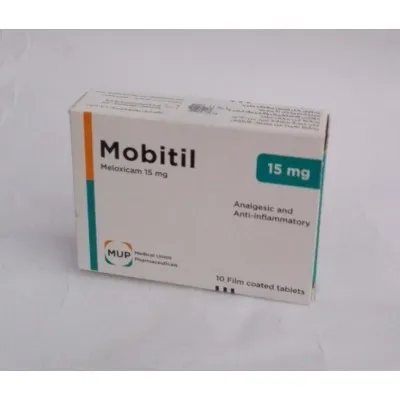
Mobitil is a brand-name formulation of Meloxicam, a potent non-steroidal anti-inflammatory drug (NSAID) primarily utilized in the management of chronic inflammatory conditions. As an orthopedic specialist, I frequently prescribe Meloxicam to patients suffering from debilitating joint pain, stiffness, and swelling. This guide provides an exhaustive clinical overview of the medication, intended for informational purposes for patients and healthcare providers alike.
1. Deep-Dive: Mechanism of Action and Pharmacokinetics
To understand why Mobitil is effective, one must look at the biochemical pathway it targets.
Mechanism of Action
Meloxicam acts as an inhibitor of the cyclooxygenase (COX) enzymes. Specifically, it demonstrates a preferential selectivity for the COX-2 enzyme over the COX-1 enzyme.
- COX-1 Inhibition: Generally associated with the maintenance of gastric mucosal integrity and platelet aggregation.
- COX-2 Inhibition: Primarily induced at sites of inflammation, leading to the production of prostaglandins which mediate pain, fever, and inflammation.
By selectively targeting COX-2, Mobitil effectively reduces inflammation with a potentially lower incidence of gastrointestinal side effects compared to non-selective NSAIDs (like high-dose aspirin or naproxen).
Pharmacokinetics
The pharmacokinetic profile of Meloxicam makes it ideal for once-daily dosing.
| Feature | Description |
|---|---|
| Bioavailability | High (approx. 89%) after oral administration. |
| Protein Binding | Highly bound to plasma proteins (approx. 99%), primarily albumin. |
| Metabolism | Extensive hepatic metabolism via the cytochrome P450 system (CYP2C9). |
| Half-life | Approximately 15 to 20 hours, allowing for once-daily maintenance. |
| Excretion | Excreted equally in urine and feces as inactive metabolites. |
2. Clinical Indications and Usage
Mobitil is indicated for the acute and chronic treatment of signs and symptoms associated with various musculoskeletal disorders.
Primary Indications
- Osteoarthritis (OA): Management of pain and stiffness in weight-bearing joints.
- Rheumatoid Arthritis (RA): Reduction of systemic inflammation and joint degradation.
- Juvenile Rheumatoid Arthritis (JRA): Indicated for patients two years of age and older.
- Ankylosing Spondylitis: Managing spinal inflammation and stiffness.
Dosage Guidelines
Dosage must be individualized based on the patient’s response and the severity of the condition.
- Adult Osteoarthritis/RA: The recommended starting and maintenance dose is 7.5 mg once daily. Some patients may require an increase to 15 mg daily if clinical efficacy is not achieved at the lower dose.
- Maximum Daily Dose: 15 mg. Exceeding this limit significantly increases the risk of renal and cardiovascular adverse events.
- Pediatric Dosing (JRA): Typically calculated based on body weight (0.125 mg/kg), not to exceed 7.5 mg daily.
3. Risks, Contraindications, and Safety
While effective, Mobitil carries inherent risks characteristic of the NSAID class.
Contraindications
Mobitil should NOT be used in patients with:
* Known Hypersensitivity: History of asthma, urticaria, or allergic-type reactions to aspirin or other NSAIDs.
* Perioperative Pain: Specifically in the setting of coronary artery bypass graft (CABG) surgery.
* Severe Renal/Hepatic Impairment: Due to the risk of toxicity and fluid retention.
Critical Warnings
- Cardiovascular (CV) Risk: All NSAIDs, including Meloxicam, increase the risk of serious CV thrombotic events, myocardial infarction, and stroke. This risk may increase with duration of use.
- Gastrointestinal (GI) Risk: NSAIDs cause an increased risk of serious GI adverse events including inflammation, bleeding, ulceration, and perforation of the stomach or intestines.
- Renal Effects: Long-term administration can lead to renal papillary necrosis and other renal injury.
Pregnancy and Lactation
- Pregnancy: Use should be avoided, especially in the third trimester, as it can cause premature closure of the fetal ductus arteriosus.
- Lactation: Meloxicam is excreted in breast milk. Caution should be exercised when administered to a nursing woman.
4. Drug Interactions
Patients must disclose all medications to their physician to avoid dangerous interactions.
| Interacting Agent | Potential Effect |
|---|---|
| Warfarin/Anticoagulants | Increased risk of bleeding due to platelet inhibition. |
| ACE Inhibitors/Diuretics | Diminished antihypertensive effect and increased risk of renal failure. |
| Lithium | Increased plasma lithium levels, leading to potential toxicity. |
| Methotrexate | Increased risk of hematologic toxicity. |
| Aspirin | Increased risk of GI ulceration without added analgesic benefit. |
5. Overdose Management
Signs of acute NSAID overdose include lethargy, drowsiness, nausea, vomiting, and epigastric pain. Generally, these symptoms are reversible with supportive care.
- Immediate Action: Seek emergency medical attention.
- Gastric Decontamination: Activated charcoal may be administered if the patient presents within a short timeframe after ingestion.
- Supportive Care: Focus on maintaining airway, breathing, and circulation. There is no specific antidote for Meloxicam.
6. Frequently Asked Questions (FAQ)
1. How long does it take for Mobitil to start working?
Patients often report initial relief within 1 to 2 days, but it may take up to 2 weeks of consistent daily use to reach the full therapeutic effect for chronic arthritis.
2. Can I take Mobitil on an empty stomach?
Yes, it can be taken with or without food. However, taking it with food or milk may reduce the risk of stomach upset.
3. Is Mobitil a narcotic or an opioid?
No. Mobitil (Meloxicam) is a non-steroidal anti-inflammatory drug (NSAID). It does not have addictive properties or the same side-effect profile as opioid pain relievers.
4. What should I do if I miss a dose?
Take the missed dose as soon as you remember. If it is almost time for your next dose, skip the missed dose. Do not take two doses at once.
5. Can I drink alcohol while taking Mobitil?
It is advised to limit or avoid alcohol, as it can increase the risk of stomach bleeding and irritation when combined with NSAIDs.
6. Does Mobitil cause weight gain?
Fluid retention is a known side effect of NSAIDs, which can manifest as mild weight gain or swelling in the ankles and feet.
7. Is Mobitil safe for long-term use?
It is often prescribed for long-term use in chronic conditions, but physicians typically perform regular check-ups to monitor kidney function, blood pressure, and digestive health.
8. Can I take Tylenol (Acetaminophen) with Mobitil?
Generally, yes, as they work through different mechanisms. However, always consult your physician before combining medications.
9. Why does my doctor monitor my blood pressure while I take this?
NSAIDs like Meloxicam can cause sodium and water retention, which may elevate blood pressure or interfere with the effectiveness of blood pressure medications.
10. Can children take Mobitil?
Only under strict pediatric supervision. It is specifically approved for Juvenile Rheumatoid Arthritis in children aged 2 years and older, with dosing based strictly on weight.
Disclaimer: This guide is for educational purposes and does not constitute medical advice. Always consult with a licensed physician before starting, stopping, or changing your medication regimen.