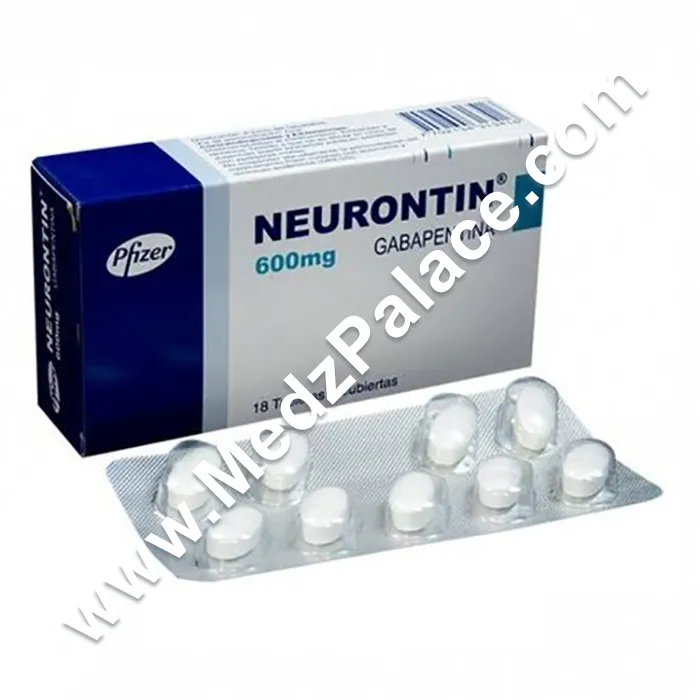
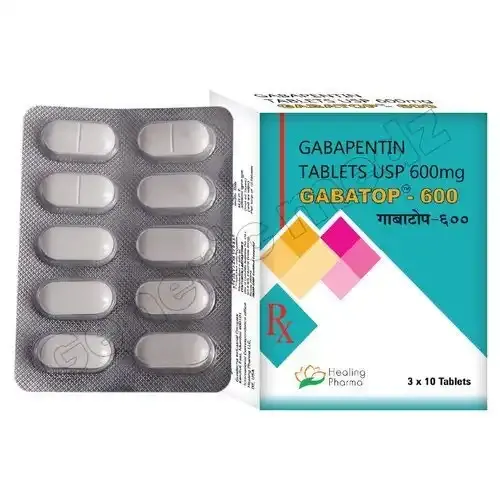
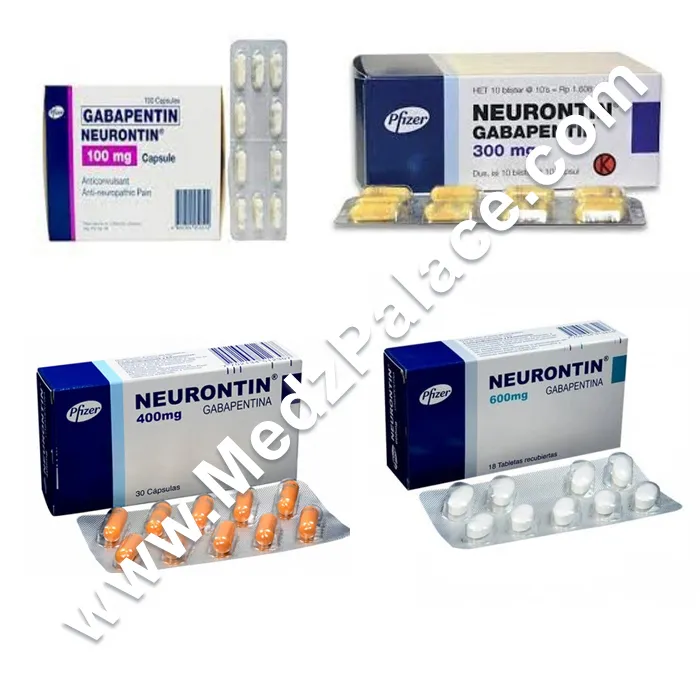

Comprehensive Overview of Neurontin (Gabapentin)
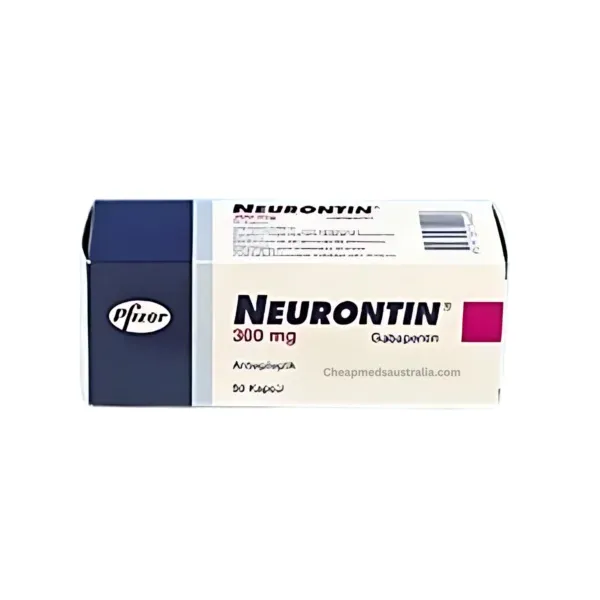
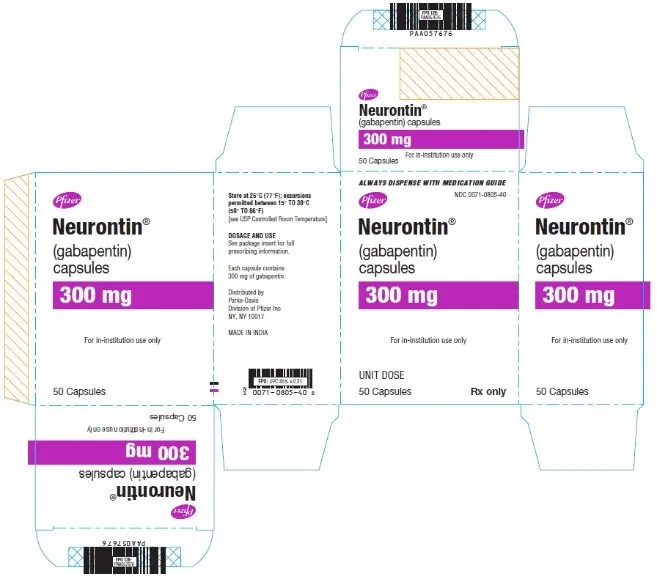
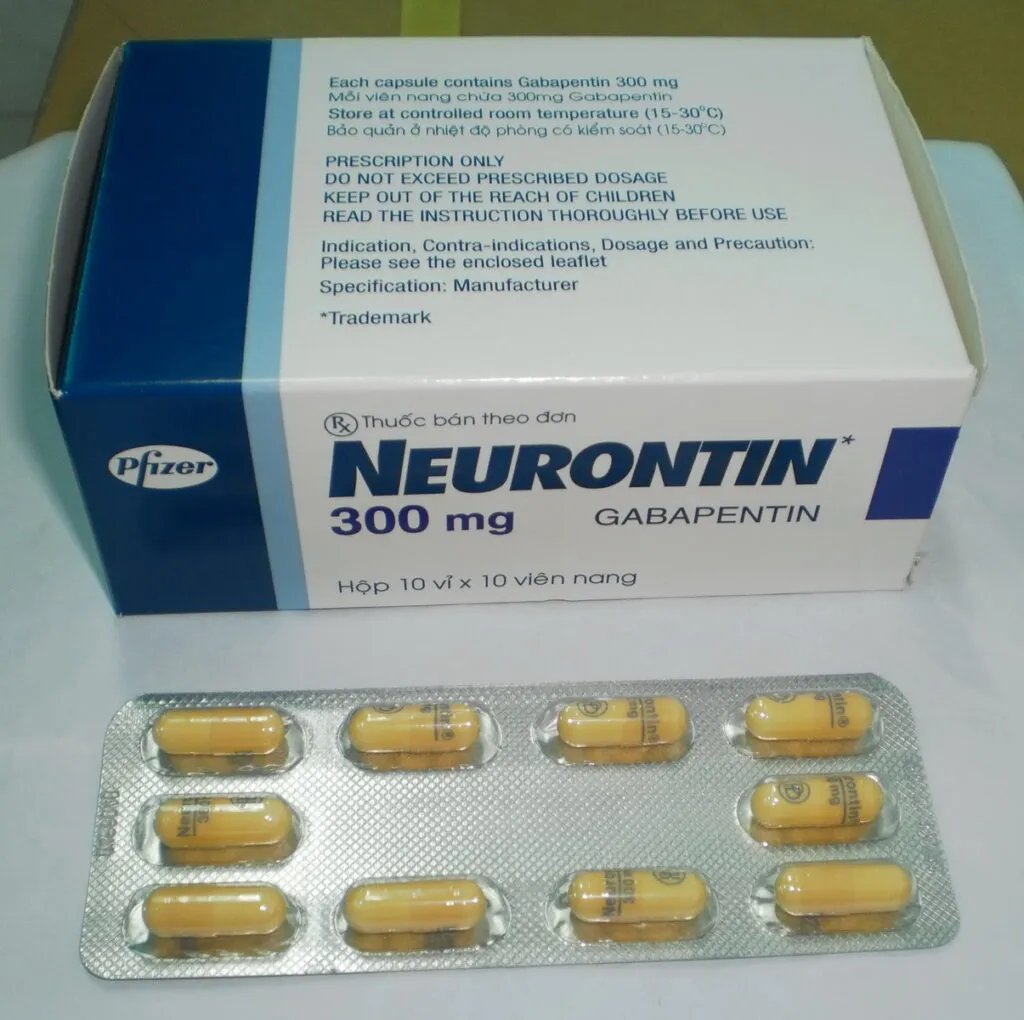
Neurontin, the brand-name formulation of the generic drug gabapentin, is a widely prescribed medication primarily utilized in the management of neuropathic pain and as an adjunctive therapy for partial-onset seizures. Belonging to the anticonvulsant class of medications, Neurontin has become a cornerstone in orthopedic and neurological pain management protocols, particularly for conditions involving nerve irritation or damage.
Unlike traditional analgesics (such as NSAIDs or opioids) that target inflammatory pathways or opioid receptors, Neurontin modulates the central nervous system's response to pain signals. This guide provides an exhaustive clinical overview of its pharmacological profile, therapeutic utility, and safety considerations.
Technical Specifications and Mechanism of Action
The Pharmacodynamics of Gabapentin
While Neurontin was originally synthesized as a structural analog of the inhibitory neurotransmitter gamma-aminobutyric acid (GABA), it does not actually bind to GABA receptors, nor does it affect GABA synthesis or uptake.
The primary mechanism of action involves binding to the alpha-2-delta subunit of voltage-gated calcium channels in the central nervous system. By binding to this site, gabapentin reduces the influx of calcium into nerve terminals, which in turn modulates the release of excitatory neurotransmitters (such as glutamate, norepinephrine, and substance P) that are involved in the transmission of pain signals.
Pharmacokinetics
Understanding how the body processes Neurontin is critical for optimizing therapeutic outcomes:
| Parameter | Clinical Profile |
|---|---|
| Bioavailability | Dose-dependent; decreases as dose increases (saturable absorption). |
| Protein Binding | Negligible (less than 3%). |
| Metabolism | None; excreted entirely unchanged by the kidneys. |
| Half-life | Approximately 5–7 hours in patients with normal renal function. |
| Excretion | Primarily renal (via glomerular filtration). |
Clinical Indications and Usage
Neurontin is indicated for specific clinical scenarios where nerve-related pain or seizure stabilization is required.
1. Postherpetic Neuralgia (PHN)
Neurontin is FDA-approved for the management of postherpetic neuralgia, the persistent nerve pain that occurs following a shingles outbreak. It is highly effective in reducing the burning, stabbing, and shooting sensations associated with nerve damage.
2. Adjunctive Therapy for Partial-Onset Seizures
It is utilized in patients aged 3 years and older to control partial-onset seizures, often in combination with other antiepileptic drugs.
3. Off-Label Orthopedic and Neurological Applications
In orthopedic and pain medicine, Neurontin is frequently prescribed off-label for:
* Diabetic Peripheral Neuropathy: Managing the chronic, burning pain in the extremities.
* Radiculopathy: Addressing nerve root compression (e.g., sciatica or cervical radiculopathy).
* Complex Regional Pain Syndrome (CRPS): Managing sympathetic nervous system-driven pain.
* Fibromyalgia: Helping to regulate central sensitization of pain.
Dosage Guidelines
Dosage must be individualized based on the patient’s response and renal function. The following table represents standard adult titration protocols for neuropathic pain:
| Phase | Dosage | Frequency |
|---|---|---|
| Day 1 | 300 mg | Once daily (evening) |
| Day 2 | 300 mg | Twice daily |
| Day 3 | 300 mg | Three times daily |
| Maintenance | 900 mg – 3600 mg | Total daily dose, divided TID |
Note: In patients with compromised renal function (CrCl < 60 mL/min), dosage must be significantly reduced to prevent toxicity.
Risks, Side Effects, and Contraindications
Common Side Effects
Most side effects are dose-dependent and typically subside as the patient adjusts to the medication:
* Somnolence/Drowsiness: The most frequent side effect.
* Dizziness and Ataxia: Increased risk of falls, particularly in elderly populations.
* Peripheral Edema: Swelling in the ankles or feet.
* Cognitive Impairment: "Brain fog," difficulty concentrating, or memory issues.
Serious Risks
- Respiratory Depression: Especially when combined with opioids or other CNS depressants.
- Suicidal Ideation: A rare but documented risk with all anticonvulsants.
- Withdrawal Symptoms: Abrupt cessation can lead to rebound seizures or severe anxiety/agitation; it must be tapered slowly.
Contraindications
- Hypersensitivity: Known allergy to gabapentin or any component of the formulation.
- Severe Renal Impairment: Requires strict monitoring and dosage adjustments.
Pregnancy and Lactation Warnings
Neurontin is classified as Pregnancy Category C. It crosses the placenta, and animal studies have shown evidence of fetal risk. It should only be used during pregnancy if the potential benefit justifies the potential risk to the fetus. Gabapentin is excreted in breast milk; therefore, caution is advised when administering to nursing mothers.
Drug Interactions
Neurontin has a favorable profile regarding drug-drug interactions because it is not metabolized by the cytochrome P450 system. However, specific interactions exist:
1. Antacids: Aluminum and magnesium-based antacids can reduce the absorption of Neurontin. Administer at least 2 hours apart.
2. CNS Depressants: Alcohol, opioids, and benzodiazepines can exacerbate drowsiness and respiratory depression.
3. Hydrocodone: May increase the plasma concentration of gabapentin, necessitating dose monitoring.
Overdose Management
Symptoms of an overdose may include double vision, slurred speech, lethargy, diarrhea, and coma. There is no specific antidote for gabapentin. Management is primarily supportive:
* Gastric Lavage: Only if performed shortly after ingestion.
* Hemodialysis: May be considered in patients with severe renal failure or life-threatening toxicity.
* Hydration: Maintaining adequate urine output to assist with drug clearance.
Frequently Asked Questions (FAQ)
1. How long does it take for Neurontin to start working?
While some patients report relief within a few days, it typically takes 2 to 4 weeks of consistent dosing to reach therapeutic levels for chronic nerve pain.
2. Can I stop taking Neurontin suddenly?
No. Abrupt discontinuation can cause withdrawal symptoms, including insomnia, anxiety, and an increased risk of seizures. Always taper under medical supervision.
3. Does Neurontin cause weight gain?
Yes, weight gain is a recognized side effect of long-term gabapentin use, likely due to increased appetite or fluid retention.
4. Is Neurontin a controlled substance?
In many jurisdictions, it is not a federally scheduled controlled substance, though several states in the U.S. have classified it as a Schedule V drug due to concerns regarding misuse and its use as an opioid potentiator.
5. Can I drink alcohol while on Neurontin?
It is generally advised to avoid alcohol, as it significantly intensifies the sedative effects of the medication, increasing the risk of falls and respiratory depression.
6. Why am I taking Neurontin if I don't have epilepsy?
Neurontin is highly effective at "calming" overactive nerves. It is frequently prescribed for neuropathic pain, which is pain caused by nerve damage rather than tissue inflammation.
7. Does Neurontin interact with ibuprofen?
There is no direct pharmacokinetic interaction, but both can cause gastric upset in sensitive individuals.
8. What should I do if I miss a dose?
Take the missed dose as soon as you remember. If it is almost time for your next dose, skip the missed dose. Do not take two doses at once.
9. Will Neurontin show up on a drug test?
Standard urine drug screens typically do not test for gabapentin. A specific laboratory test is required to detect it.
10. Is it safe for the elderly?
It must be used with extreme caution in the elderly due to the increased risk of dizziness, confusion, and falls. Lower starting doses are standard practice in geriatric medicine.
Disclaimer: This guide is for educational purposes only and does not constitute medical advice, diagnosis, or treatment. Always seek the advice of your physician or other qualified health provider with any questions regarding a medical condition or medication.