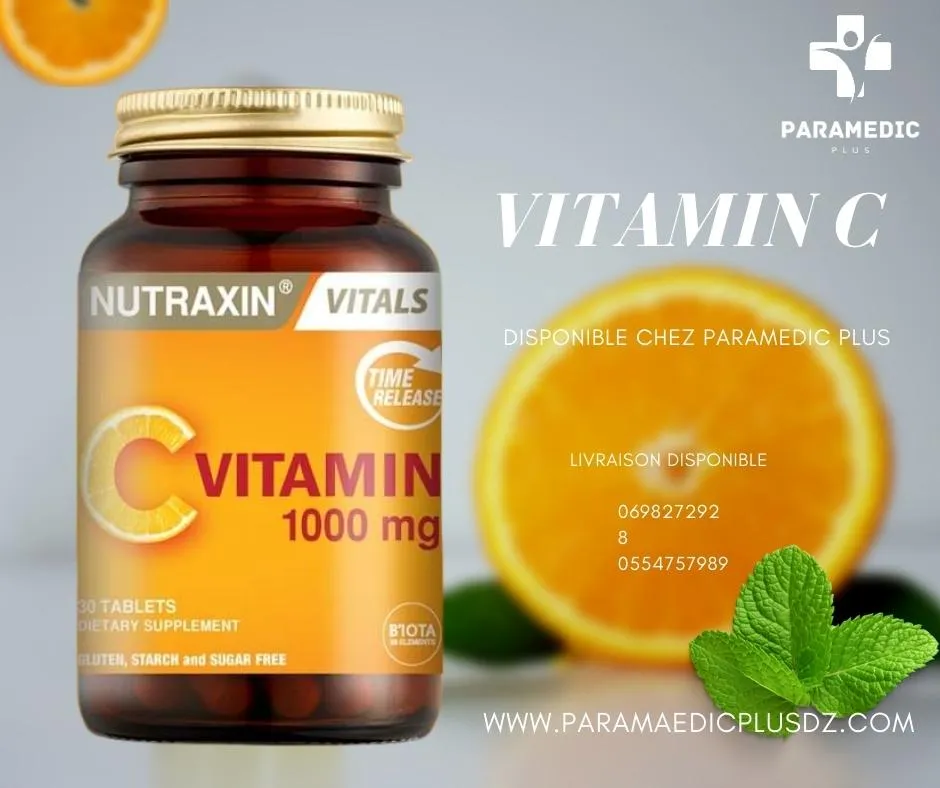
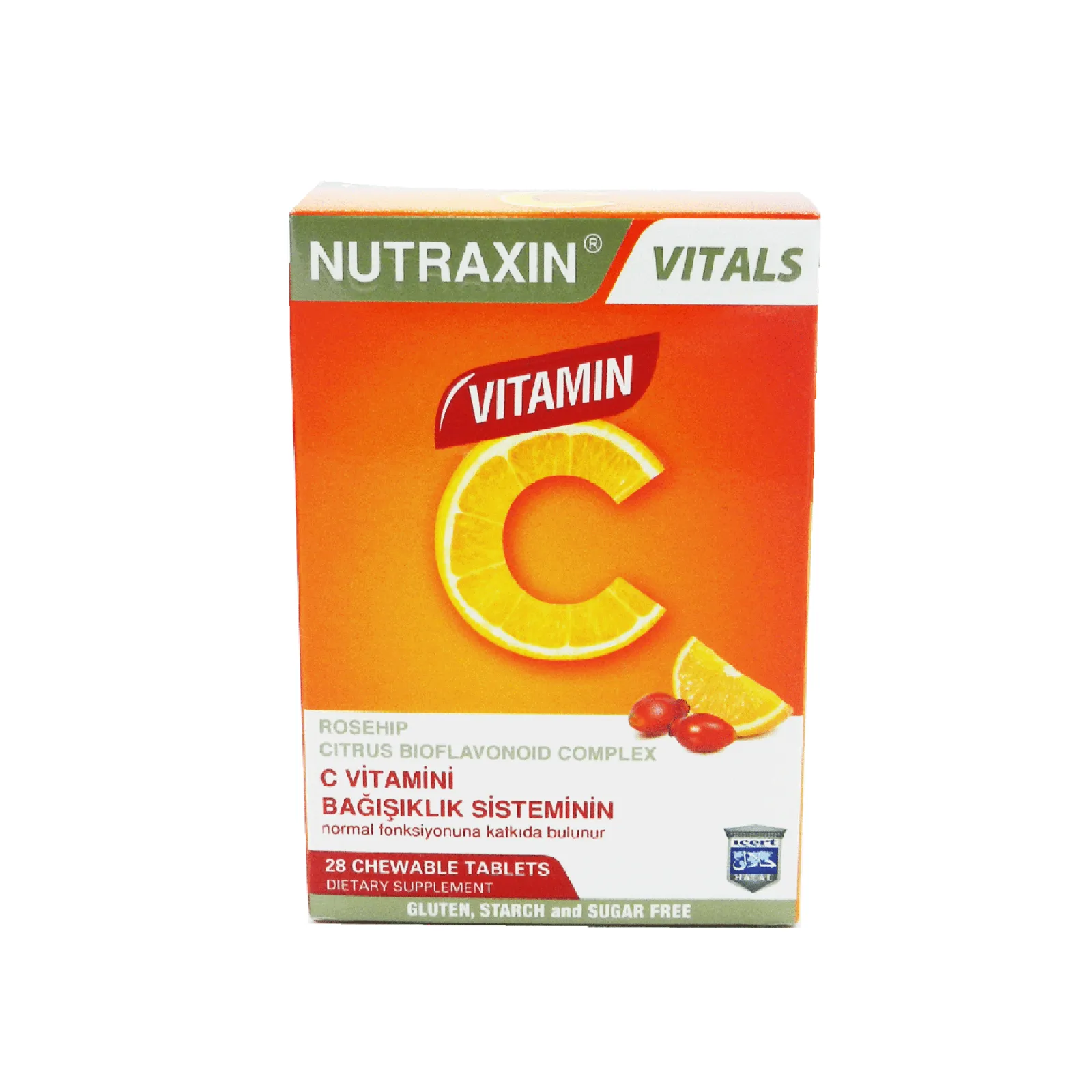

Comprehensive Overview of Nutraxin Vitals Vitamin C
Nutraxin Vitals Vitamin C is a high-potency nutritional supplement formulated to address ascorbic acid deficiencies and provide targeted antioxidant support. In the field of orthopedics and general internal medicine, Vitamin C (L-ascorbic acid) is not merely an immune booster; it is a critical cofactor in collagen synthesis, bone matrix mineralization, and the mitigation of oxidative stress following musculoskeletal trauma.
This guide provides a clinical deep-dive into the pharmacodynamics, indications, and safety profiles of Nutraxin Vitals Vitamin C, designed for healthcare professionals and patients seeking evidence-based information on supplemental ascorbic acid.
Mechanism of Action and Pharmacokinetics
Biochemical Mechanism
Vitamin C functions primarily as an electron donor (reducing agent). It maintains iron in the ferrous state ($Fe^{2+}$) and copper in the cuprous state ($Cu^+$) in various enzymatic reactions.
- Collagen Synthesis: Vitamin C is an essential cofactor for prolyl and lysyl hydroxylase enzymes. These enzymes stabilize the triple-helix structure of collagen. Without sufficient ascorbic acid, collagen fibers become unstable, leading to impaired wound healing and weakened connective tissue—a critical concern in orthopedic recovery.
- Antioxidant Defense: It acts as a primary water-soluble antioxidant, scavenging reactive oxygen species (ROS) that contribute to cellular damage and chronic inflammation.
- Immune Modulation: It supports epithelial barrier function against pathogens and promotes the accumulation of ROS in phagocytes to enhance microbial killing.
Pharmacokinetics
- Absorption: Nutraxin Vitals Vitamin C is absorbed via the small intestine through a sodium-dependent active transport mechanism (SVCT1 and SVCT2). Absorption efficiency is dose-dependent; at high doses, bioavailability decreases as the transport system becomes saturated.
- Distribution: Ascorbic acid is distributed widely throughout body tissues, with the highest concentrations found in the adrenal glands, pituitary gland, and leukocytes.
- Metabolism & Excretion: Excess Vitamin C is metabolized primarily in the liver. It is excreted via the kidneys. When plasma levels exceed the renal threshold (approx. 1.2 mg/dL), the excess is excreted unchanged in the urine.
Clinical Indications and Orthopedic Relevance
While often utilized for immune support, Nutraxin Vitals Vitamin C is clinically indicated for several specific scenarios:
| Indication | Clinical Rationale |
|---|---|
| Scurvy Prevention | Correcting severe deficiency leading to capillary fragility. |
| Wound Healing | Enhancing collagen cross-linking post-orthopedic surgery. |
| Bone Health | Supporting the organic matrix of bone, reducing fracture healing time. |
| Oxidative Stress | Mitigation of systemic inflammation in chronic joint disease. |
| Iron Absorption | Enhancing non-heme iron absorption in patients with anemia. |
Orthopedic Focus: Collagen and Recovery
In orthopedic practice, collagen is the "glue" of the musculoskeletal system. Tendons, ligaments, and cartilage are predominantly composed of Type I and Type II collagen. Nutraxin Vitals Vitamin C ensures that the hydroxylation process occurs efficiently, facilitating faster recovery from ligamentous sprains and fracture stabilization.
Dosage Guidelines and Administration
Dosage for Nutraxin Vitals Vitamin C should be tailored to the patient’s age, dietary intake, and specific clinical requirement.
- Standard Prophylactic Dose: 500 mg to 1,000 mg daily.
- Therapeutic Dose (Deficiency): 1,000 mg to 2,000 mg daily, divided into multiple doses to maximize absorption.
- Administration: It is recommended to take the supplement with a full glass of water. If gastrointestinal irritation occurs, administration with food is advised to buffer the acidity.
Special Populations
- Pediatric: Must be adjusted based on weight and age-specific RDA guidelines.
- Geriatric: Often requires supplementation due to reduced intestinal absorption and increased systemic oxidative stress.
Risks, Side Effects, and Contraindications
Potential Side Effects
While Vitamin C is water-soluble and generally safe, excessive consumption can lead to:
1. Gastrointestinal Distress: Abdominal cramps, diarrhea, and nausea due to the osmotic effect of unabsorbed ascorbic acid in the GI tract.
2. Renal Calculus Risk: In susceptible individuals, high doses of Vitamin C are metabolized into oxalate. Excess urinary oxalate can lead to the formation of calcium oxalate kidney stones.
3. Iron Overload: In patients with hereditary hemochromatosis, Vitamin C increases iron absorption, potentially worsening iron toxicity.
Contraindications
- Hyperoxaluria: History of recurrent kidney stones.
- G6PD Deficiency: High doses may trigger hemolysis in patients with Glucose-6-Phosphate Dehydrogenase deficiency.
- Renal Failure: Patients with compromised renal function should be monitored closely to avoid toxicity.
Drug Interactions
Nutraxin Vitals Vitamin C can interact with several common medications:
- Warfarin: Large doses of Vitamin C may decrease the anticoagulant effect of warfarin.
- Chemotherapy Agents: High-dose antioxidants may theoretically interfere with the efficacy of certain oxidative-based chemotherapy drugs.
- Oral Contraceptives: Estrogen-containing medications may lower serum Vitamin C levels.
Pregnancy and Lactation Warnings
Vitamin C is generally considered safe during pregnancy when consumed within the recommended dietary allowance (RDA). However, megadoses should be avoided unless under strict medical supervision. High-dose supplementation in pregnancy has been theoretically linked to "rebound scurvy" in the newborn, where the infant’s metabolism adapts to high levels of Vitamin C in utero and experiences a deficiency immediately after birth.
Overdose Management
Acute overdose of Vitamin C is rare due to the body’s limited absorption capacity and rapid renal excretion. If an overdose is suspected, the following steps are indicated:
1. Discontinuation: Cease intake of all Vitamin C supplements immediately.
2. Hydration: Maintain high fluid intake to assist renal clearance.
3. Symptomatic Support: Address GI distress with anti-emetics or anti-diarrheal agents if necessary.
4. Monitoring: Monitor serum electrolytes and renal function if the ingestion was massive.
Frequently Asked Questions (FAQ)
1. What is the best time of day to take Nutraxin Vitals Vitamin C?
It is best taken in the morning, preferably with a meal, to minimize potential stomach upset and maximize absorption throughout the day.
2. Can Vitamin C help with my joint pain?
Vitamin C supports collagen synthesis, which is vital for cartilage health. While not a direct painkiller, it supports the structural integrity of joints.
3. Will this supplement cause kidney stones?
If you have a history of oxalate stones, high doses (above 1,000 mg/day) may increase your risk. Consult a physician before starting.
4. Is Nutraxin Vitals Vitamin C safe for diabetics?
Yes, but be aware that high doses of Vitamin C can interfere with home blood glucose testing strips, potentially leading to inaccurate readings.
5. How long does it take for Vitamin C to work?
For acute immune support, some feel benefits within days. For structural benefits like collagen synthesis, consistent use over several weeks is required.
6. Can I take this with my other medications?
Vitamin C can interact with blood thinners and certain heart medications. Always provide your doctor with a full list of supplements and prescriptions.
7. Does "Vitals" mean it has other ingredients?
Check the specific label of your Nutraxin Vitals bottle. Some formulations include bioflavonoids or zinc to enhance the therapeutic effect of the ascorbic acid.
8. Is it better to get Vitamin C from food or supplements?
Food is always the primary source, but supplements like Nutraxin Vitals are essential for those with absorption issues, restricted diets, or high metabolic demands (e.g., post-surgery).
9. Can I take Vitamin C if I am pregnant?
Yes, but stick to the recommended daily dosage (usually 85–120 mg, plus diet) and avoid high-dose megadosing unless directed by an OB-GYN.
10. What happens if I forget a dose?
Simply take it as soon as you remember. Do not double the dose to make up for a missed one.
Conclusion
Nutraxin Vitals Vitamin C is a scientifically sound, effective tool for maintaining systemic health and supporting musculoskeletal recovery. By understanding its role in collagen synthesis and antioxidant defense, patients can integrate this supplement into their health regimen safely. Always prioritize professional medical advice when determining the appropriate dosage for your specific clinical needs.