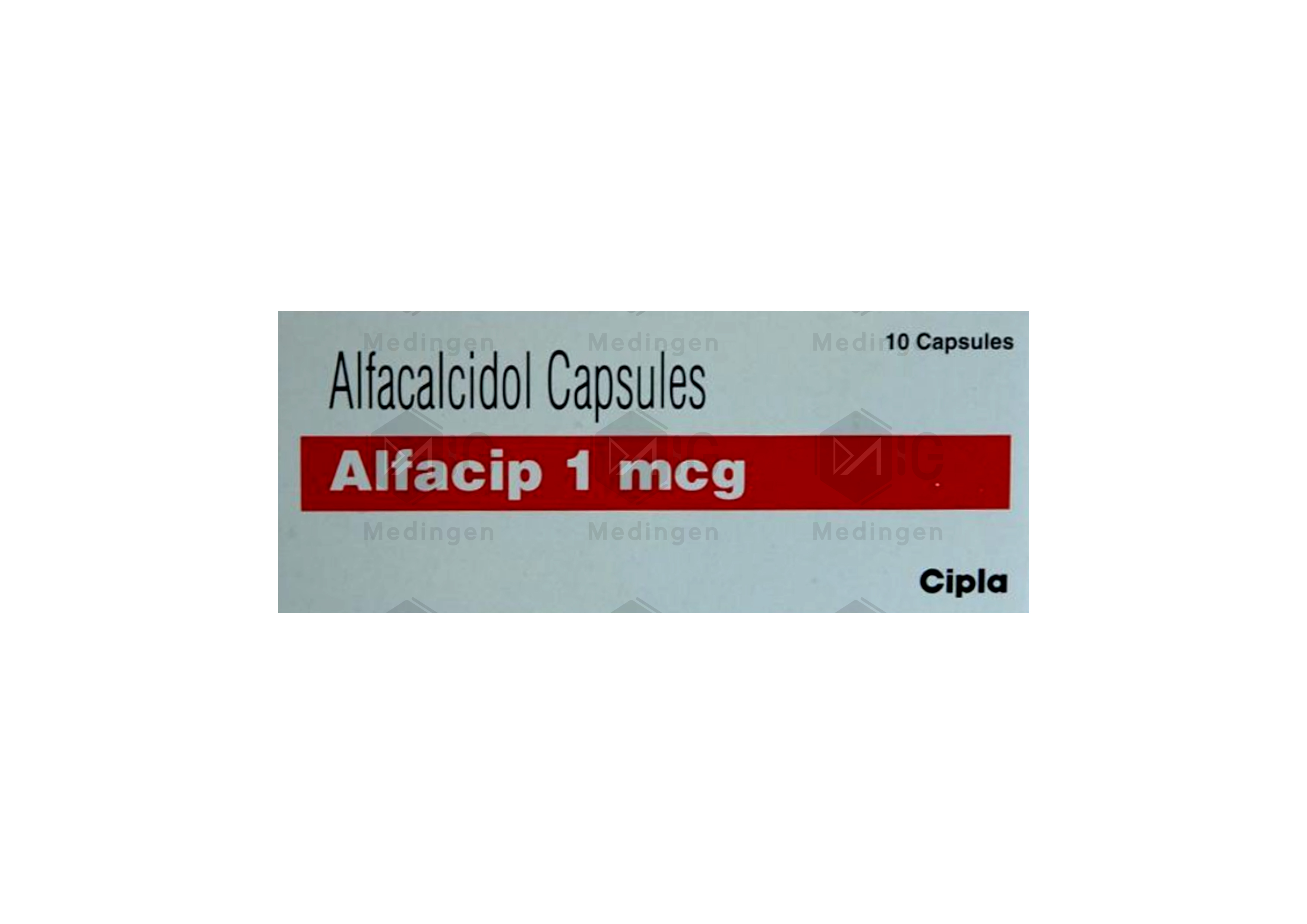
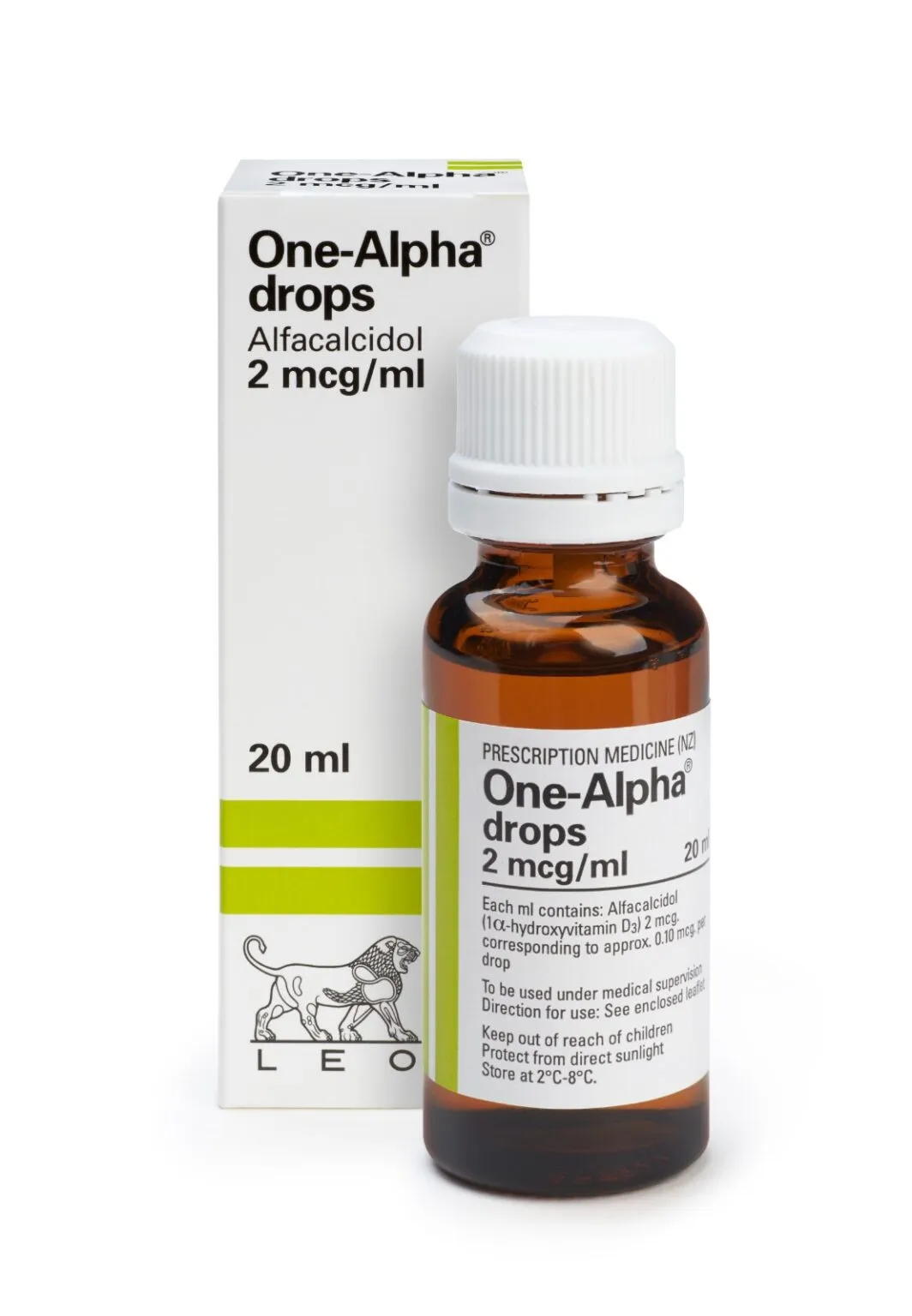
Comprehensive Overview of Alfacip 1mcg (Alfacalcidol)
Alfacip 1mcg is a potent pharmaceutical preparation containing Alfacalcidol, a synthetic analogue of Vitamin D3. In the realm of orthopedics, endocrinology, and nephrology, Alfacip plays a pivotal role in the management of calcium metabolism disorders. Unlike standard Vitamin D, which requires two-step hydroxylation in the liver and kidneys to become active, Alfacip is a "pre-activated" form of the vitamin.
Because it only requires a single hepatic hydroxylation to become the biologically active hormone 1,25-dihydroxyvitamin D3 (calcitriol), it is the gold standard for patients whose kidneys cannot perform the necessary conversion, such as those with chronic kidney disease (CKD) or hypoparathyroidism.
Mechanism of Action: The Science of Bone Mineralization
The primary function of Alfacip 1mcg is to regulate the body’s calcium and phosphate homeostasis. The mechanism can be broken down into three critical physiological pathways:
- Intestinal Absorption: Alfacalcidol binds to the Vitamin D receptor (VDR) in the intestinal mucosa, stimulating the synthesis of calcium-binding proteins (calbindins). This significantly enhances the absorption of dietary calcium and phosphorus into the bloodstream.
- Bone Remodeling: By maintaining adequate serum levels of calcium and phosphate, Alfacalcidol ensures the mineralization of the osteoid matrix, which is essential for bone strength and preventing fractures.
- Parathyroid Hormone (PTH) Suppression: It directly acts on the parathyroid glands to suppress the synthesis and secretion of PTH, preventing secondary hyperparathyroidism, which is a common complication in bone metabolic diseases.
Pharmacokinetics and Metabolism
Understanding how the body processes Alfacip 1mcg is essential for clinical dosing.
- Absorption: Rapidly absorbed from the gastrointestinal tract following oral administration.
- Activation: It undergoes rapid metabolism in the liver to 1,25-dihydroxyvitamin D3.
- Distribution: Highly bound to specific transport proteins in the plasma.
- Elimination: The metabolites are primarily excreted through the bile and feces, with minor renal excretion. The biological half-life is relatively short, necessitating consistent dosing schedules as prescribed by a physician.
Clinical Indications and Therapeutic Usage
Alfacip 1mcg is indicated for conditions where endogenous activation of Vitamin D is impaired or where there is a significant disturbance in mineral metabolism.
Primary Indications
- Renal Osteodystrophy: Used in patients with chronic renal failure to prevent bone loss and manage mineral imbalances.
- Hypoparathyroidism: Manages hypocalcemia associated with low parathyroid hormone levels.
- Osteomalacia & Rickets: Treats vitamin D-resistant rickets or osteomalacia caused by malabsorption or renal insufficiency.
- Postmenopausal Osteoporosis: Often used as an adjuvant therapy to increase bone mineral density and reduce the risk of non-vertebral fractures.
Dosage Guidelines
Dosage is highly individualized and must be adjusted based on serum calcium and phosphate levels.
| Patient Group | Recommended Starting Dose |
|---|---|
| Adults (General) | 0.5 mcg to 1 mcg daily |
| Renal Osteodystrophy | 0.5 mcg to 2 mcg daily |
| Hypoparathyroidism | 1 mcg to 4 mcg daily |
| Maintenance | 0.25 mcg to 1 mcg daily |
Note: Serum calcium levels must be monitored weekly during the initiation phase to prevent hypercalcemia.
Contraindications and Safety Warnings
While Alfacip is highly effective, it carries significant risks if mismanaged.
Contraindications
- Hypercalcemia: Must not be administered if serum calcium levels are already elevated.
- Hyperphosphatemia: Unless serum phosphate is controlled, this medication may lead to metastatic calcification.
- Vitamin D Toxicity: Known hypersensitivity to Alfacalcidol or any components of the tablet.
Drug Interactions
Patients should exercise caution when combining Alfacip with the following:
* Digoxin: Increased risk of cardiac arrhythmias due to hypercalcemia.
* Magnesium-containing antacids: Risk of hypermagnesemia in patients with renal failure.
* Thiazide Diuretics: Concomitant use may increase the risk of hypercalcemia.
* Barbiturates/Anticonvulsants: May require higher doses of Alfacip due to enzyme induction.
Pregnancy and Lactation
Alfacip 1mcg should only be used during pregnancy if the potential benefit justifies the potential risk to the fetus. It is excreted in breast milk; therefore, nursing mothers should be monitored closely for hypercalcemia in both the mother and the infant.
Overdose Management
An overdose of Alfacip results in hypercalcemia, hypercalciuria, and hyperphosphatemia. Symptoms include weakness, headache, nausea, constipation, and in severe cases, cardiac arrhythmias and soft tissue calcification.
Management Steps:
1. Immediate Discontinuation: Stop the medication immediately.
2. Hydration: Aggressive fluid therapy to promote calcium excretion.
3. Laboratory Testing: Monitor serum and urinary calcium levels.
4. Supportive Care: In severe toxicity, corticosteroids or calcitonin may be administered to lower serum calcium levels rapidly.
Frequently Asked Questions (FAQ)
1. What is the difference between Alfacip and regular Vitamin D?
Alfacip (Alfacalcidol) is already partially activated. Regular Vitamin D requires the kidneys to activate it, which is why Alfacip is preferred for people with kidney disease.
2. How long does it take for Alfacip 1mcg to work?
Clinical improvements in calcium levels are often seen within a few days, but bone density improvements take several months of consistent therapy.
3. Can I take Alfacip with other multivitamins?
Only if your doctor explicitly confirms that the other vitamins do not contain high levels of Vitamin D, as this could lead to toxicity.
4. What happens if I miss a dose?
Take the missed dose as soon as you remember. If it is almost time for your next dose, skip the missed one. Do not take double doses.
5. Does Alfacip cause weight gain?
No, Alfacip is not associated with weight gain. It is a hormonal supplement that regulates minerals, not a metabolic drug that affects body fat.
6. Do I need regular blood tests while on this medication?
Yes. Frequent monitoring of serum calcium and phosphate is mandatory to prevent dangerous side effects.
7. Is Alfacip 1mcg safe for children?
It can be used in children, but the dosage must be strictly calculated by a pediatrician based on weight and blood chemistry.
8. What are the signs of hypercalcemia to watch for?
Watch for excessive thirst, frequent urination, nausea, vomiting, confusion, and unexplained fatigue.
9. Should I take Alfacip with food?
It can be taken with or without food. Consistency is more important than the timing relative to meals.
10. Can I stop taking Alfacip once my bones feel better?
No. You must consult your physician before stopping. Sudden cessation can lead to a rapid drop in calcium levels, causing tetany or bone pain.
Conclusion
Alfacip 1mcg is a powerful clinical tool for managing complex bone and mineral disorders. Its ability to bypass renal activation makes it indispensable for patients with chronic kidney disease and specific endocrine deficiencies. However, due to its potent effect on calcium metabolism, it must be used under strict medical supervision with regular laboratory monitoring. Always consult with your healthcare provider to tailor the dosage to your specific metabolic needs.
Disclaimer: This guide is for educational purposes only and does not constitute medical advice. Always consult a healthcare professional before starting or adjusting any medication.