



Comprehensive Guide to Osteocare: Advanced Bone Health Management
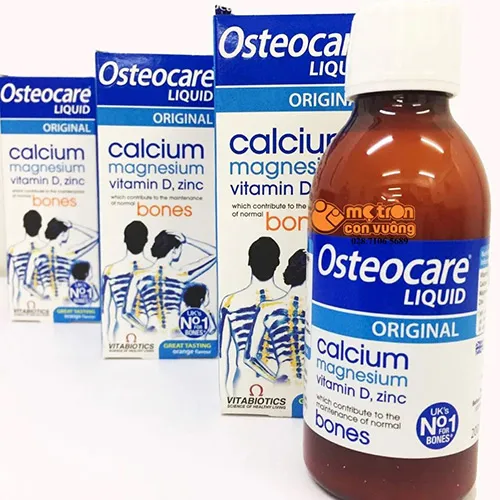
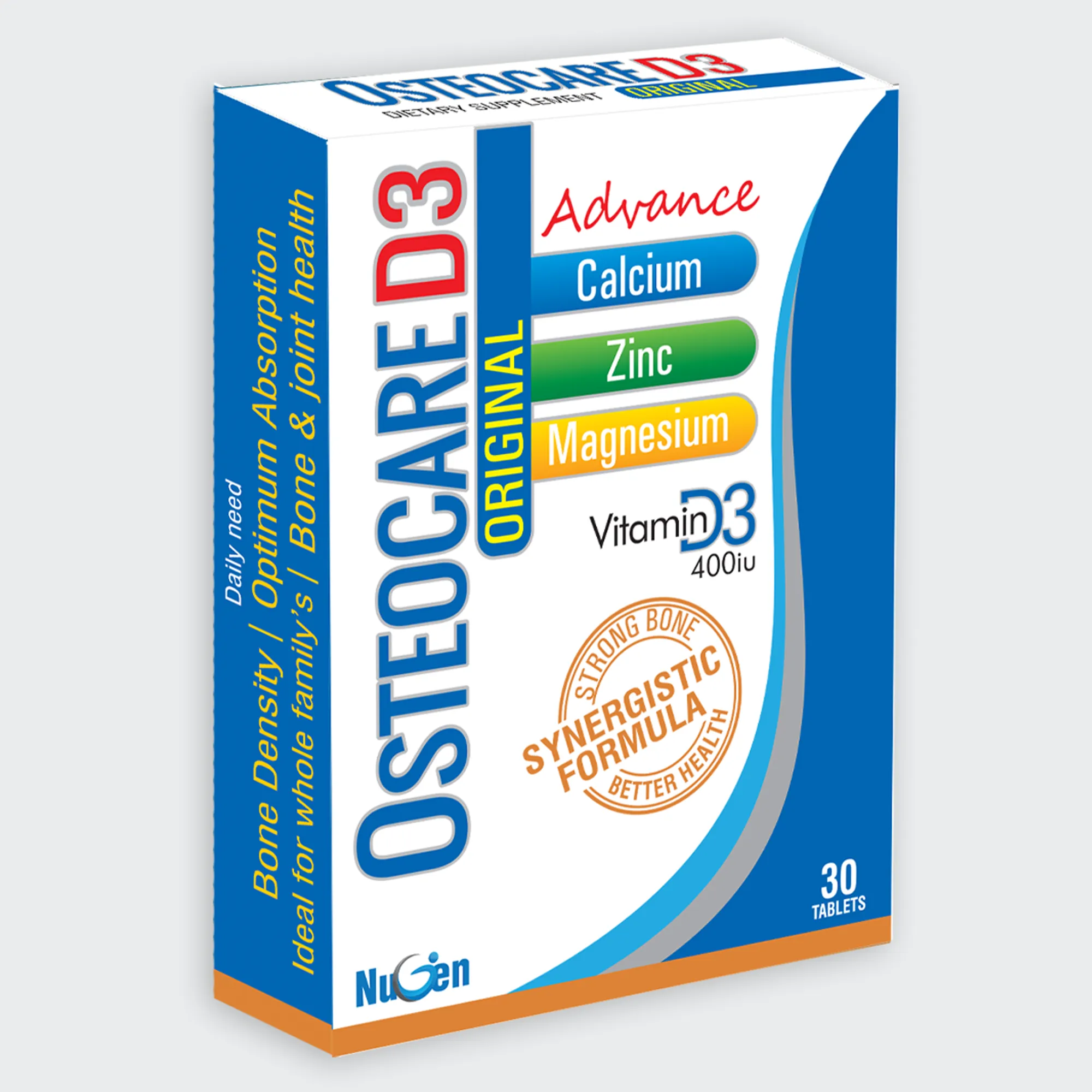
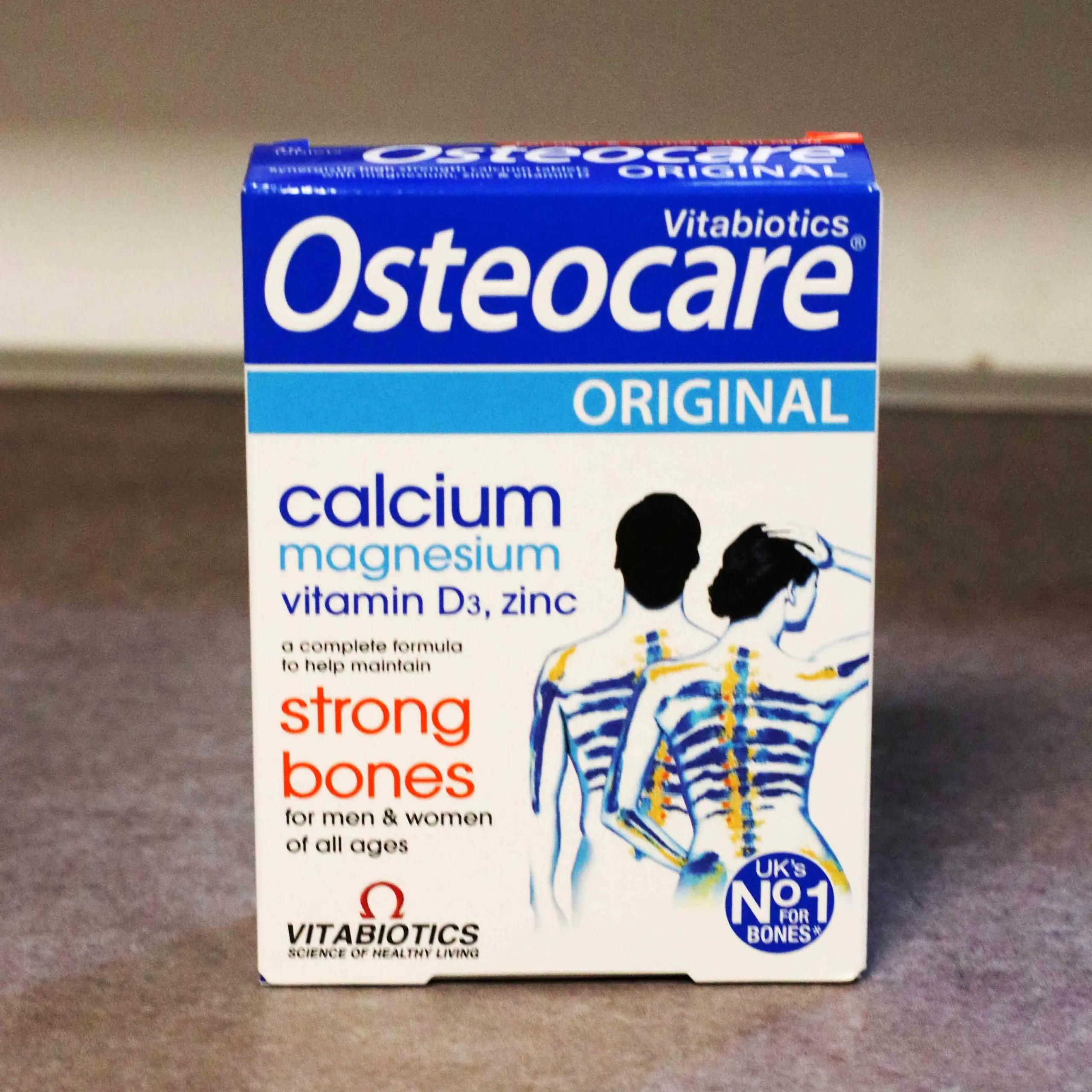
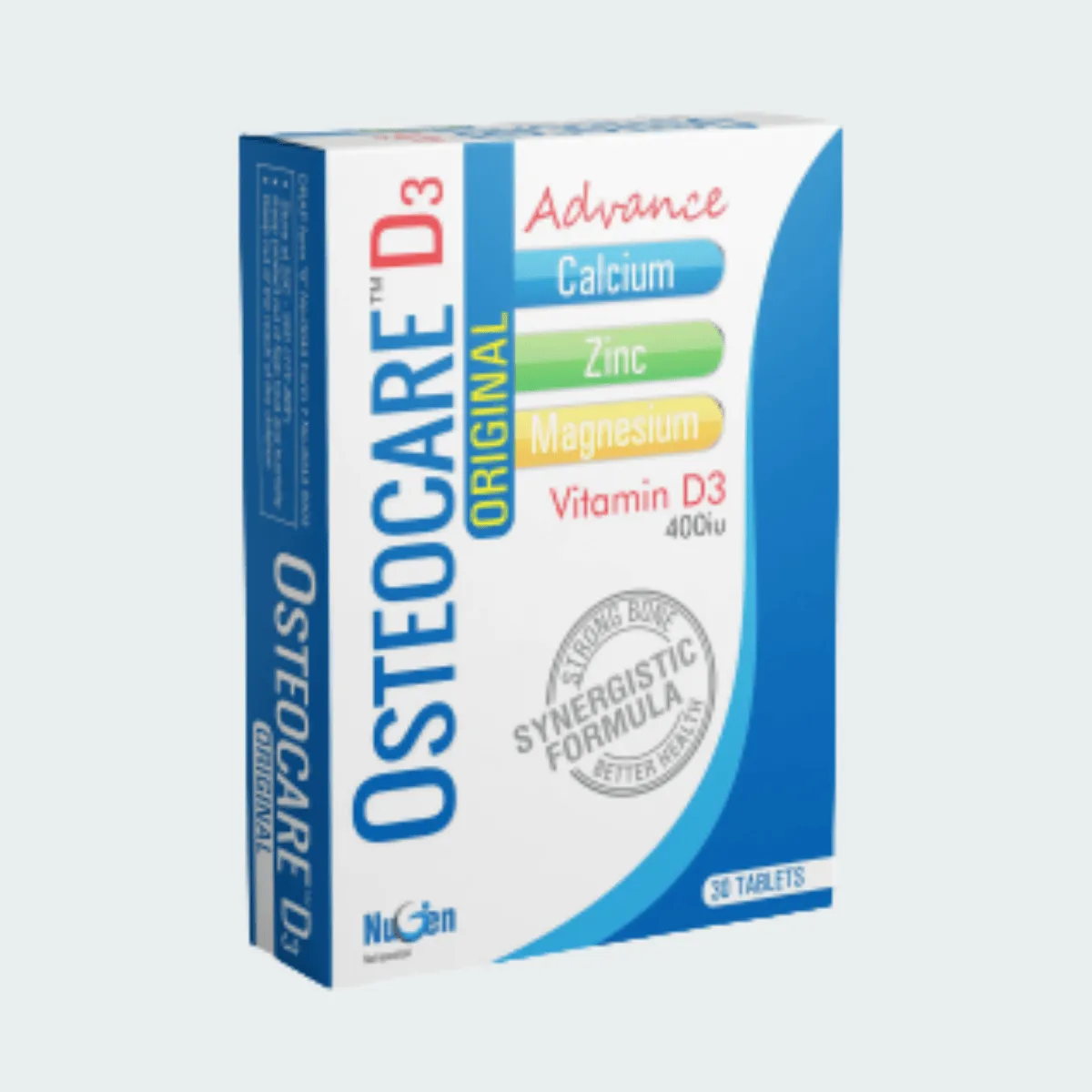
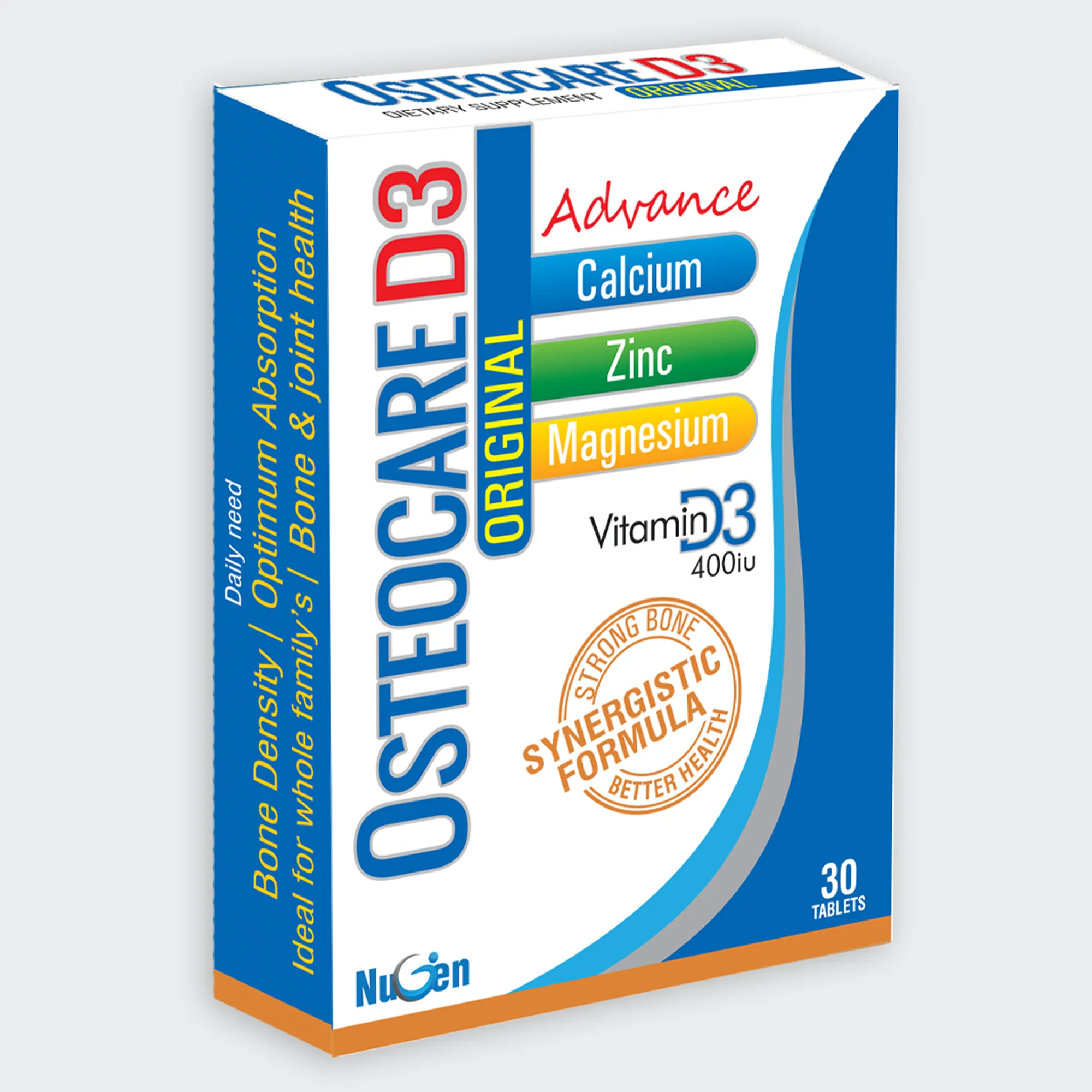
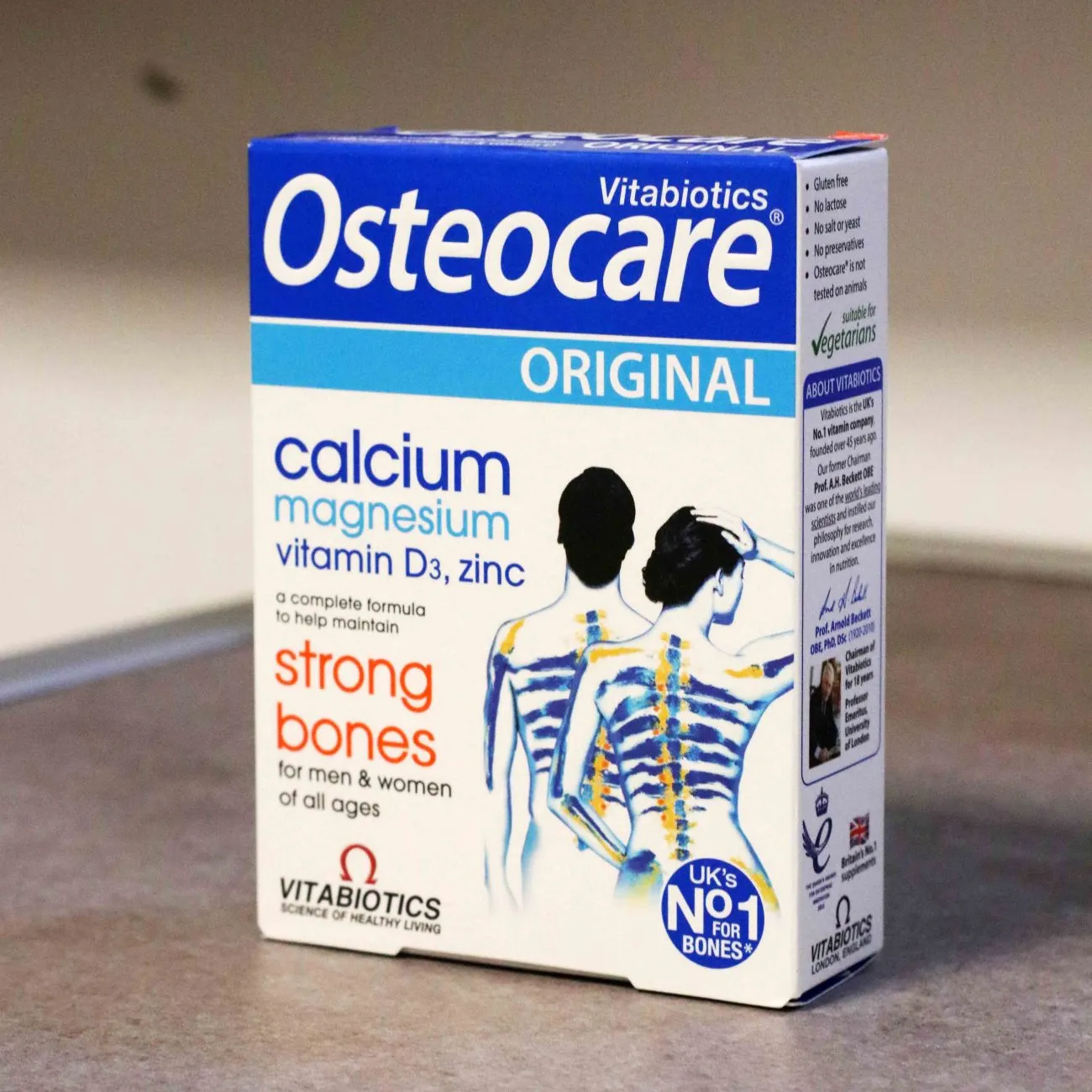
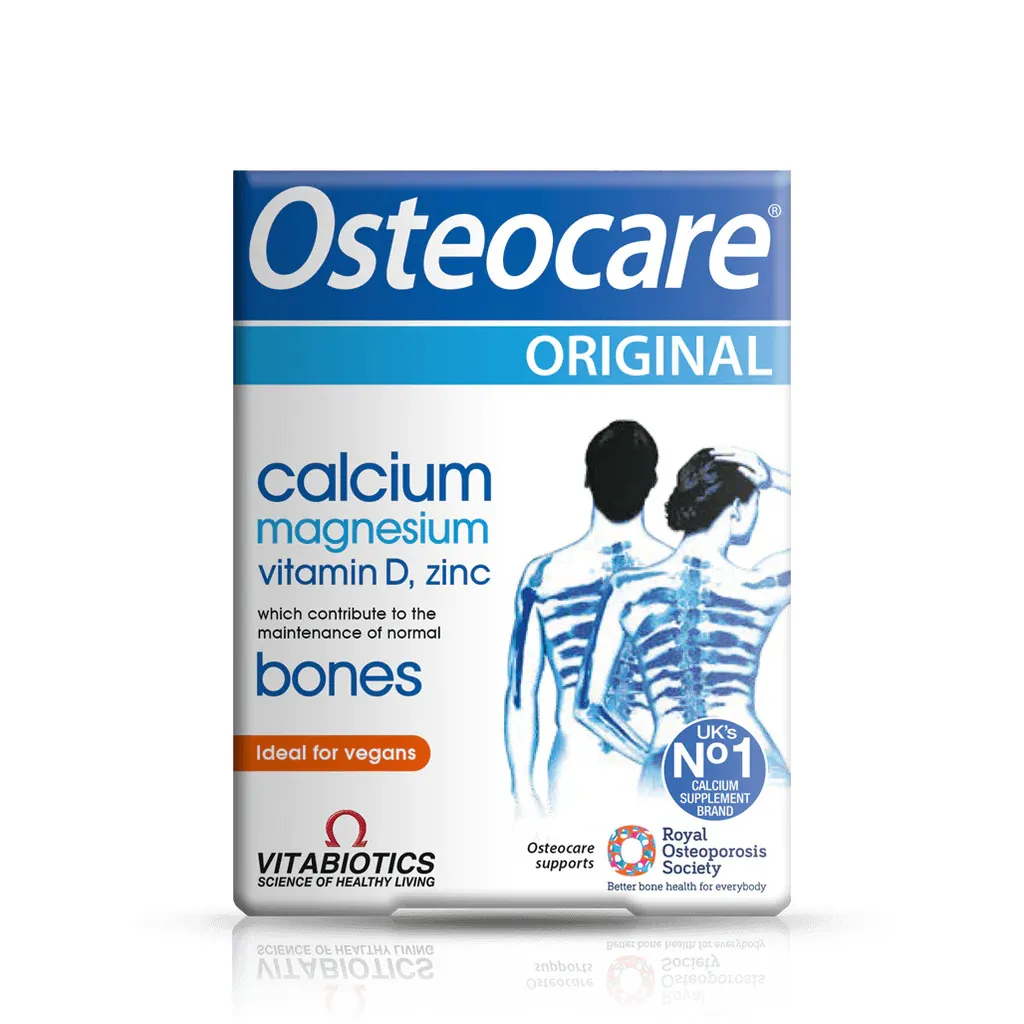
Osteocare is a widely recognized pharmaceutical-grade supplement formulation designed to support skeletal integrity and metabolic bone health. Unlike simple calcium supplements, Osteocare represents a synergistic approach to bone density maintenance by combining essential minerals and vitamins that govern calcium absorption and bone mineralization.
As an orthopedic-focused intervention, this formulation is frequently indicated for patients at risk of osteopenia, osteoporosis, or those requiring increased nutritional support during fracture recovery or menopause-related bone resorption.
Technical Specifications and Mechanism of Action
The efficacy of Osteocare lies in its multi-nutrient matrix, which addresses the physiological complexity of bone remodeling. Bone is a dynamic tissue, constantly undergoing resorption by osteoclasts and formation by osteoblasts. Osteocare provides the necessary substrates to ensure this balance remains in favor of mineralization.
The Synergistic Mechanism
- Calcium Carbonate/Citrate: Provides the elemental building blocks for hydroxyapatite crystals, the structural foundation of bone tissue.
- Magnesium: Acts as a vital cofactor for the enzyme alkaline phosphatase, which is essential for bone calcification. It also regulates the transport of calcium across cell membranes.
- Vitamin D3 (Cholecalciferol): The primary hormone-like regulator of calcium homeostasis. It enhances intestinal absorption of calcium and maintains serum calcium levels within the physiological range.
- Zinc: Plays a structural role in bone protein synthesis and osteoblastic activity.
Pharmacokinetics
Upon ingestion, the calcium salts in Osteocare dissociate in the acidic environment of the stomach. The bioavailability is enhanced by the presence of Vitamin D3, which stimulates the synthesis of calcium-binding proteins (calbindins) in the intestinal mucosa. Magnesium is absorbed primarily in the small intestine, and its plasma concentration is tightly regulated by renal excretion.
| Component | Primary Role | Target Site |
|---|---|---|
| Calcium | Mineralization | Bone Matrix |
| Vitamin D3 | Absorption | Intestine/Kidneys |
| Magnesium | Enzyme Cofactor | Bone/Serum |
| Zinc | Protein Synthesis | Osteoblast cells |
Clinical Indications and Usage
Osteocare is indicated for populations where bone mineral density (BMD) is at risk. Clinical guidelines suggest its use in the following scenarios:
- Osteoporosis Prophylaxis: In post-menopausal women and men over 50.
- Osteopenia Management: To slow the progression of bone density loss.
- Fracture Recovery: Providing the necessary elemental support for callus formation.
- Pregnancy and Lactation: Meeting the increased maternal demand for calcium to prevent fetal skeletal depletion.
- Corticosteroid-Induced Bone Loss: Supporting patients on long-term glucocorticoid therapy.
Recommended Dosage Guidelines
Dosage must be tailored to the patient's baseline dietary intake and serum levels.
- General Maintenance: 1 to 2 tablets daily, preferably taken with a main meal to maximize acidic digestion and absorption.
- Therapeutic Support: In cases of diagnosed deficiency, dosage may be adjusted by a physician, typically not exceeding 1500mg of elemental calcium per day from all sources combined.
- Administration Tip: To optimize absorption, do not take Osteocare simultaneously with iron supplements, as calcium can inhibit iron uptake. A gap of 2–3 hours is recommended.
Risks, Side Effects, and Contraindications
While Osteocare is generally well-tolerated, clinical vigilance is required for specific patient profiles.
Contraindications
- Hypercalcemia: Patients with elevated serum calcium levels (e.g., hyperparathyroidism or hypercalcemia of malignancy).
- Nephrolithiasis: Individuals with a history of calcium-based kidney stones should consult a nephrologist before initiation.
- Severe Renal Impairment: Patients with end-stage renal disease may require specialized electrolyte management.
Potential Side Effects
Most side effects are gastrointestinal in nature and dose-dependent:
* Constipation (often mitigated by increasing fluid intake).
* Bloating or flatulence.
* Nausea.
Drug Interactions
Osteocare may interact with the following:
1. Bisphosphonates: Calcium may decrease the absorption of bisphosphonates. Administer at least 2 hours apart.
2. Thyroid Medications (Levothyroxine): Calcium can significantly reduce levothyroxine absorption.
3. Antibiotics: Tetracyclines and quinolones form insoluble complexes with calcium, rendering them ineffective.
Pregnancy and Lactation Warnings
During pregnancy, the demand for calcium increases to support fetal skeletal development. Osteocare is generally considered safe and effective for this demographic. However, supplementation should be balanced against dietary intake. High doses of Vitamin D (exceeding recommended prenatal levels) should be avoided unless under direct medical supervision to prevent potential teratogenic risks associated with Vitamin D toxicity, although this is rare at standard supplementation levels.
Overdose Management
Acute overdose of Osteocare primarily manifests as hypercalcemia. Symptoms include:
* Severe nausea and vomiting.
* Confusion or lethargy.
* Cardiac arrhythmias (in extreme cases).
* Polyuria and polydipsia.
Management: If an overdose is suspected, discontinue use immediately and seek medical attention. Treatment involves rehydration, monitoring of serum calcium levels, and, in severe cases, the administration of loop diuretics or calcitonin to promote renal calcium excretion.
Frequently Asked Questions (FAQ)
1. Is it better to take Osteocare in the morning or at night?
It is best taken with a main meal. The stomach acid produced during digestion significantly improves the dissolution and absorption of the calcium salts.
2. Can I take Osteocare if I am on blood pressure medication?
Generally, yes. However, if you are taking calcium channel blockers, consult your physician, as calcium supplementation may theoretically interact with these specific agents.
3. Does Osteocare help with joint pain?
Osteocare is formulated for bone mineral density, not cartilage health. If you are experiencing joint pain (osteoarthritis), you may need a formulation containing Glucosamine or Chondroitin in addition to Osteocare.
4. How long should I take Osteocare?
Bone health is a long-term commitment. It is typically prescribed as a long-term support, often for years, especially for patients with a high risk of osteoporosis.
5. Can I take Osteocare with coffee?
Caffeine can increase the urinary excretion of calcium. It is advisable to avoid taking your supplement at the exact same time as high-caffeine beverages.
6. Will Osteocare cause kidney stones?
For most people, it does not. However, if you have a history of calcium-oxalate stones, you should increase your fluid intake and consult your doctor to ensure your total daily calcium intake is not excessive.
7. Is Osteocare safe for children?
Osteocare is primarily designed for adults. Pediatric dosing requires specific formulations based on age and weight to avoid exceeding the upper limits of Vitamin D and calcium for children.
8. What should I do if I miss a dose?
Take the missed dose as soon as you remember. If it is almost time for your next dose, skip the missed one. Do not take a double dose to make up for a forgotten one.
9. Does the Vitamin D3 in Osteocare interact with other supplements?
Vitamin D3 is fat-soluble and generally safe. However, check your other multivitamins to ensure you are not exceeding the safe upper limit (4,000 IU/day for most adults) from all sources.
10. Is this product suitable for vegetarians?
Most standard Osteocare formulations are vegetarian-friendly, but always check the specific packaging for the source of Vitamin D3, as it is sometimes derived from lanolin (sheep’s wool).
Disclaimer: This guide is for educational purposes only and does not constitute medical advice, diagnosis, or treatment. Always seek the advice of your physician or other qualified health provider with any questions you may have regarding a medical condition or supplementation regimen.