

Comprehensive Guide to Osteoheal-D: Clinical Overview
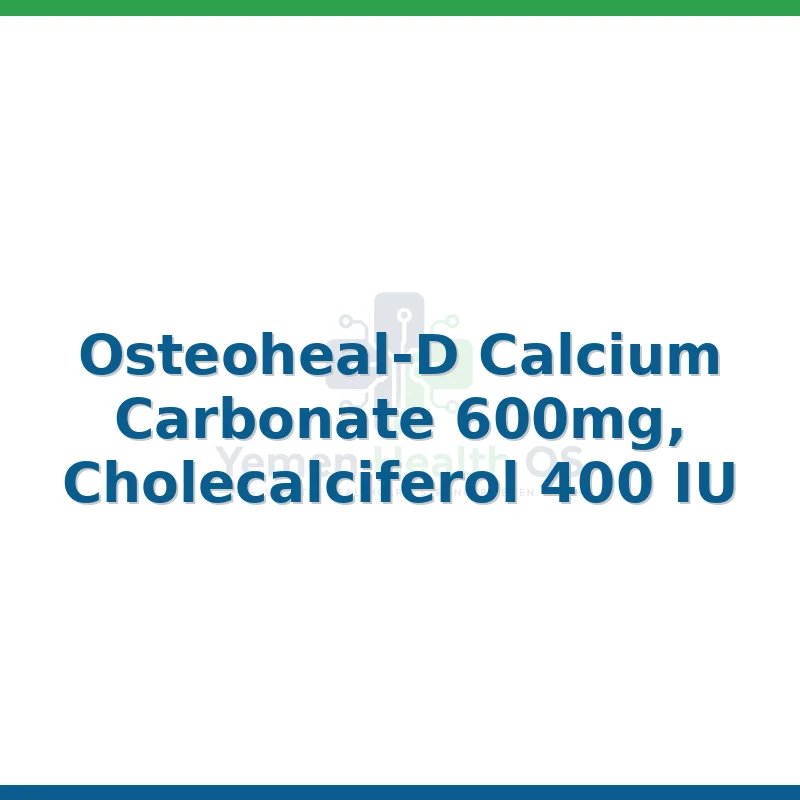
Osteoheal-D represents a sophisticated therapeutic approach in the management of musculoskeletal health and metabolic bone disorders. As an orthopedic-focused medication, it is engineered to address the physiological requirements of patients suffering from calcium deficiencies, compromised bone mineral density (BMD), and specific vitamin D-related metabolic dysfunctions.
In the landscape of modern orthopedics, maintaining structural integrity of the skeletal system is paramount. Osteoheal-D serves as a foundational supplement and treatment modality, ensuring that the biochemical environment of the body supports osteoblastic activity while inhibiting excessive osteoclastic resorption.
Mechanism of Action: The Science of Bone Mineralization
The efficacy of Osteoheal-D is derived from its synergistic formulation, which typically integrates elemental calcium with optimized concentrations of Vitamin D3 (Cholecalciferol).
The Calcium Component
Calcium is the primary mineral constituent of the bone matrix. Osteoheal-D utilizes highly bioavailable calcium salts that dissociate in the acidic environment of the stomach, allowing for rapid absorption in the small intestine. Once absorbed, calcium ions maintain the intracellular and extracellular calcium balance, which is essential for neuromuscular function and the structural hardening of hydroxyapatite crystals in the bone.
The Vitamin D3 (Cholecalciferol) Synergy
Vitamin D3 is the metabolic engine of Osteoheal-D. It functions by:
1. Intestinal Absorption: Increasing the expression of calcium-binding proteins (calbindin) in the intestinal mucosa.
2. Renal Reabsorption: Minimizing urinary calcium excretion, thereby preserving systemic stores.
3. Bone Homeostasis: Regulating the differentiation of osteoclasts, ensuring that bone remodeling remains in a physiological equilibrium.
Pharmacokinetics and Bioavailability
Understanding the movement of Osteoheal-D within the biological system is critical for clinicians:
| Parameter | Description |
|---|---|
| Absorption | Primarily occurs in the duodenum and jejunum; requires an acidic pH. |
| Distribution | Circulates bound to albumin and vitamin D-binding proteins. |
| Metabolism | Hepatic hydroxylation to 25(OH)D, followed by renal activation to 1,25(OH)2D. |
| Excretion | Primarily via feces (unabsorbed calcium) and urine (metabolites). |
Clinical Indications & Usage
Osteoheal-D is indicated for a variety of orthopedic and metabolic conditions. It is not merely a supplement but a therapeutic agent for the following:
- Osteoporosis: Used as an adjunct to primary bisphosphonate therapy to prevent fragility fractures in post-menopausal women and aging men.
- Osteomalacia & Rickets: Correcting deficiencies that lead to the softening of bones.
- Hypocalcemia: Management of low serum calcium levels secondary to hypoparathyroidism or malabsorption syndromes.
- Peri-operative Support: Utilized in orthopedic surgery recovery to facilitate callus formation and bone union.
- Chronic Steroid Therapy: Mitigating the bone-depleting effects of long-term glucocorticoid usage.
Dosage Guidelines and Administration
The dosage of Osteoheal-D must be individualized based on serum calcium levels, age, and comorbid conditions.
General Adult Dosage
- Standard Supplementation: 1 tablet daily, preferably taken with a meal to enhance absorption through gastric acid stimulation.
- Therapeutic Management: In diagnosed osteoporosis, dosage may be adjusted to twice daily, subject to clinical monitoring of serum calcium.
Administration Best Practices
- Timing: Administer with a full glass of water.
- Interaction Spacing: Maintain a gap of at least 2 hours between Osteoheal-D and medications such as tetracyclines, fluoroquinolones, or iron supplements to prevent chelation.
Contraindications and Safety Warnings
While generally well-tolerated, Osteoheal-D is contraindicated in patients with:
1. Hypercalcemia: Elevated serum calcium levels.
2. Hypercalciuria: Excessive calcium in the urine, which may indicate a predisposition to nephrolithiasis (kidney stones).
3. Severe Renal Impairment: Patients with compromised kidney function are at higher risk of hypercalcemia and should be monitored closely.
4. Sarcoidosis: May cause hypersensitivity to Vitamin D.
Pregnancy and Lactation
Osteoheal-D is generally considered safe during pregnancy when used within the recommended dietary allowance (RDA). Calcium and Vitamin D are essential for fetal skeletal development. However, excessive doses should be avoided to prevent neonatal hypercalcemia.
Potential Side Effects
Adverse events are typically dose-dependent. Patients should report any of the following to their healthcare provider:
- Gastrointestinal: Constipation, bloating, or nausea (often mitigated by increased fluid and fiber intake).
- Renal: Signs of kidney stones (flank pain, hematuria).
- Systemic: Symptoms of hypercalcemia (excessive thirst, confusion, fatigue, or frequent urination).
Overdose Management
Overdose of Osteoheal-D can lead to hypercalcemia and hypervitaminosis D.
Clinical Presentation of Overdose:
- Severe nausea and vomiting.
- Cardiac arrhythmias (due to calcium's effect on myocardial conduction).
- Mental status changes.
Management Protocol:
1. Discontinuation: Immediate cessation of the medication.
2. Hydration: Aggressive intravenous hydration to promote calcium excretion.
3. Diuresis: Use of loop diuretics (e.g., furosemide) if necessary to enhance renal calcium clearance.
4. Monitoring: Serial monitoring of serum calcium, phosphorus, and creatinine levels.
Frequently Asked Questions (FAQ)
1. Should I take Osteoheal-D with food?
Yes. Taking Osteoheal-D with a meal significantly improves absorption because the presence of food triggers gastric acid secretion, which is necessary for the dissolution of the calcium salts.
2. Can Osteoheal-D cause kidney stones?
In healthy individuals with normal renal function, standard doses are unlikely to cause stones. However, patients with a history of nephrolithiasis should consult their doctor, as excessive calcium intake can increase urinary calcium excretion.
3. How long does it take to see results?
Bone density improvement is a slow, cumulative process. While serum calcium levels stabilize quickly, significant changes in bone mineral density typically require 6 to 12 months of consistent therapy.
4. Can I take other vitamins with Osteoheal-D?
Most vitamins are safe. However, avoid taking other Vitamin D supplements concurrently to prevent toxicity. Always check with a pharmacist regarding potential interactions.
5. What happens if I miss a dose?
Take the missed dose as soon as you remember. If it is almost time for your next scheduled dose, skip the missed one and return to your regular routine. Do not double the dose.
6. Is Osteoheal-D suitable for children?
Osteoheal-D is typically formulated for adults. Pediatric dosing requires specific formulations based on body weight and clinical need. Consult a pediatrician before use.
7. Does it interact with blood pressure medication?
Calcium channel blockers may have their efficacy altered by high levels of calcium. Always inform your cardiologist if you are initiating Osteoheal-D.
8. Is this medication vegan?
Depending on the source of the Vitamin D3 (often derived from lanolin), it may not be vegan. Check the product label for specific ingredient sourcing.
9. Can I take Osteoheal-D if I have thyroid issues?
Patients on Levothyroxine should separate their dose of Osteoheal-D by at least 4 hours, as calcium can interfere with the absorption of thyroid hormones.
10. Does Osteoheal-D expire?
Yes. Like all medications, it has a shelf life. Using expired medication may result in reduced potency. Store in a cool, dry place away from direct sunlight.
Conclusion
Osteoheal-D remains a clinical mainstay for the management of bone health. By understanding its mechanism, adhering to dosage guidelines, and monitoring for potential interactions, patients and practitioners can effectively utilize this medication to combat the risks associated with osteoporosis and calcium deficiency. Always consult with your orthopedic specialist or primary care physician to tailor a treatment regimen that meets your unique physiological requirements.