

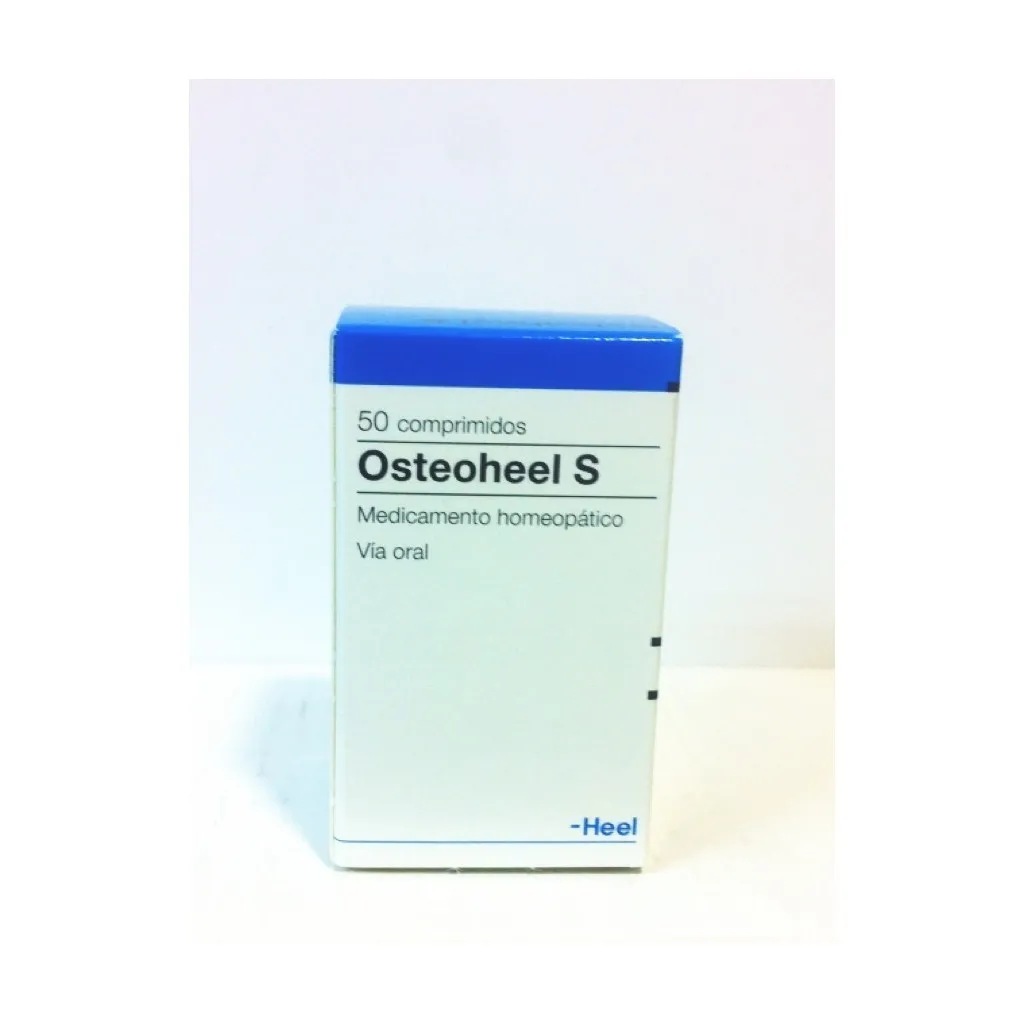

Comprehensive Guide to Osteoheel: Clinical Overview and Therapeutic Application
Osteoheel is a specialized homeopathic formulation primarily utilized in the management of degenerative joint conditions, arthritic symptoms, and various musculoskeletal inflammatory processes. In the field of orthopedics and integrative medicine, it is frequently employed as an adjunctive therapy to support metabolic processes within the connective tissues and to alleviate the chronic pain associated with joint degradation.
This guide provides an exhaustive clinical breakdown of Osteoheel, intended for healthcare professionals and patients seeking a deeper understanding of its pharmacological profile, mechanisms, and safety parameters.
Understanding the Mechanism of Action
Osteoheel functions on the principles of bioregulatory medicine. Unlike conventional non-steroidal anti-inflammatory drugs (NSAIDs) which primarily target the cyclooxygenase (COX) pathways to inhibit prostaglandin synthesis, Osteoheel is designed to modulate the body’s inflammatory response and stimulate the regenerative capacity of the extracellular matrix.
The Bioregulatory Approach
The components within Osteoheel (which typically include minerals and botanical extracts such as Calcium carbonicum, Phosphorus, and Stannum metallicum) are formulated to work in a synergistic manner:
- Metabolic Regulation: By providing trace minerals and homeopathic dilutions of tissue-specific substances, the medication aims to optimize the mineralization processes in the bone and cartilage.
- Inflammation Modulation: It assists in the regulation of cytokines and inflammatory mediators, potentially reducing the localized edema and swelling associated with osteoarthritis (OA).
- Support for Connective Tissue: The formulation is intended to strengthen the periosteum and improve the resilience of joint cartilage against mechanical stress.
Pharmacokinetics
As a homeopathic medicinal product, the pharmacokinetics of Osteoheel differ significantly from conventional synthetic drugs. Because the active ingredients are present in high dilutions (often following the decimal or centesimal scale), they do not follow traditional absorption, distribution, metabolism, and excretion (ADME) pathways in the same manner as pharmacological doses of chemicals. Instead, the effects are attributed to cellular signaling pathways that trigger the body’s own self-regulatory mechanisms.
Clinical Indications and Therapeutic Usage
Osteoheel is indicated for patients presenting with symptoms of degenerative joint disease. Its use is most prevalent in the following clinical scenarios:
| Indication | Description |
|---|---|
| Osteoarthritis | Degenerative changes in the knee, hip, or small joints of the hands. |
| Exostosis | Abnormal bony outgrowths often secondary to chronic joint irritation. |
| Periostitis | Inflammation of the periosteum, often causing deep, aching bone pain. |
| Joint Stiffness | Morning stiffness or stiffness following periods of inactivity. |
| Musculoskeletal Pain | Chronic soreness associated with aging or repetitive mechanical stress. |
Dosage Guidelines
Dosage must be individualized based on the severity of the symptoms and the patient’s response. While general guidelines exist, physicians should adjust based on clinical assessment.
- Standard Adult Dosage: Typically, 1 tablet dissolved under the tongue three times daily.
- Acute Conditions: In cases of severe flare-ups, the dosage may be increased to 1 tablet every 15–30 minutes for a duration of up to two hours, provided there is supervision by a healthcare professional.
- Administration: Tablets should be allowed to dissolve completely sublingually to ensure optimal transmucosal absorption. It is recommended to take the medication 15–30 minutes before or after meals to avoid interference with food particles.
Risks, Side Effects, and Contraindications
While homeopathic preparations are generally considered to have a high safety profile, practitioners must remain vigilant regarding patient-specific reactions and drug interactions.
Contraindications
- Hypersensitivity: Known allergy or hypersensitivity to any of the specific ingredients (e.g., mineral components or botanical extracts).
- Severe Renal or Hepatic Impairment: While not strictly contraindicated by chemical toxicity, caution is advised in patients with severe organ impairment.
- Pregnancy and Lactation: Due to the lack of large-scale clinical trials in these populations, Osteoheel should only be used during pregnancy or lactation if the potential benefit justifies the potential risk to the fetus or infant. Consultation with an obstetrician is mandatory.
Potential Side Effects
Side effects are rare but may include:
1. Gastrointestinal Upset: Mild nausea or digestive discomfort.
2. Allergic Dermatitis: Rashes or pruritus in hypersensitive individuals.
3. Initial Aggravation: Occasionally, patients may experience a temporary "homeopathic aggravation" where symptoms seem to intensify briefly before improving.
Drug Interactions
There is no significant evidence of pharmacokinetic drug-drug interactions between Osteoheel and conventional medications (such as anticoagulants or antihypertensives). However, it is imperative that patients inform their physician of all ongoing treatments. Because Osteoheel is often used as an adjunct, it should not replace essential primary care treatments for acute infections or severe structural joint damage (e.g., advanced grade IV osteoarthritis requiring surgical intervention).
Overdose Management
Due to the highly diluted nature of the ingredients in Osteoheel, the risk of acute toxicity via overdose is clinically insignificant. However, in the event of a mass ingestion, standard supportive care should be provided. Monitor the patient for any signs of gastrointestinal distress or allergic reaction and contact a poison control center if symptoms persist.
Frequently Asked Questions (FAQ)
1. How long does it take for Osteoheel to work?
Individual response times vary. Some patients report improvement within 2–4 weeks, while chronic conditions may require consistent use over several months to observe significant changes in joint mobility.
2. Can I take Osteoheel with NSAIDs like Ibuprofen?
Yes, in most cases, Osteoheel can be used alongside conventional pain medication. It is often used as an "add-on" to help reduce the total reliance on NSAIDs over time.
3. Is Osteoheel suitable for children?
Osteoheel is generally formulated for adult use. Pediatric administration should only be conducted under the strict guidance of a pediatrician.
4. Does it contain gluten or lactose?
Patients with severe sensitivities should check the specific manufacturing label, as some tablets may contain lactose as a carrier substance.
5. Can I crush the tablets?
For optimal absorption, the tablets are designed to be dissolved sublingually. Crushing them may alter their bioavailability.
6. Is it effective for rheumatoid arthritis (RA)?
Osteoheel is primarily indicated for degenerative conditions (osteoarthritis). Rheumatoid arthritis is an autoimmune condition that requires disease-modifying antirheumatic drugs (DMARDs); Osteoheel should never replace these critical medications.
7. Are there any known long-term side effects?
There are no documented long-term adverse effects associated with the regular use of Osteoheel, given its homeopathic composition.
8. What should I do if I miss a dose?
Simply take the next dose as scheduled. Do not double the dose to make up for a missed one.
9. Can I take this while undergoing physical therapy?
Absolutely. Many clinicians encourage the use of Osteoheel in conjunction with physical therapy to support the healing of connective tissues during the rehabilitation process.
10. Does Osteoheel have an expiration date?
Yes, like all medicinal products, it should be stored in a cool, dry place and discarded after the expiration date printed on the packaging to ensure potency.
Conclusion
Osteoheel offers a unique, integrative approach to joint health, focusing on the body’s innate ability to regulate and repair. By targeting the degenerative processes associated with osteoarthritis and musculoskeletal inflammation, it serves as a valuable tool in the orthopedic toolkit. However, it is essential to remember that it should be part of a comprehensive treatment plan that includes regular exercise, proper nutrition, and, when necessary, conventional medical interventions. Always consult with a licensed healthcare provider before starting any new medication regimen to ensure it aligns with your specific clinical needs.