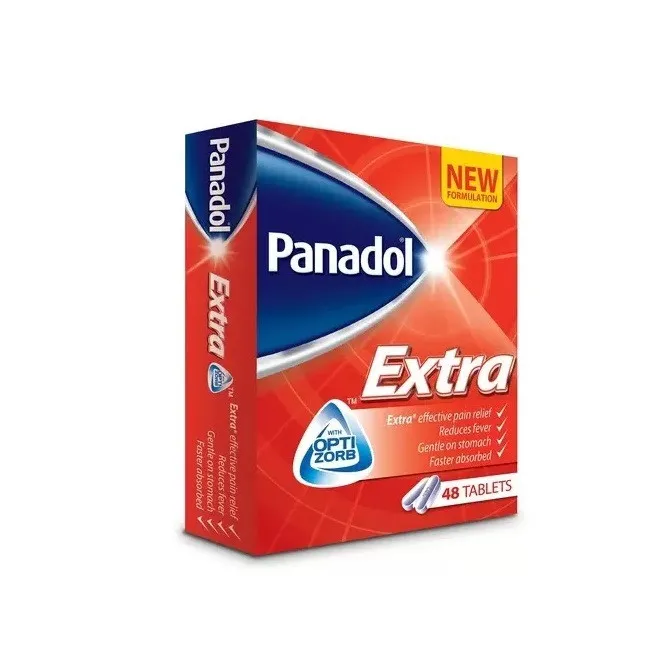

Comprehensive Guide to Panadol Extra: Understanding Clinical Efficacy and Safety
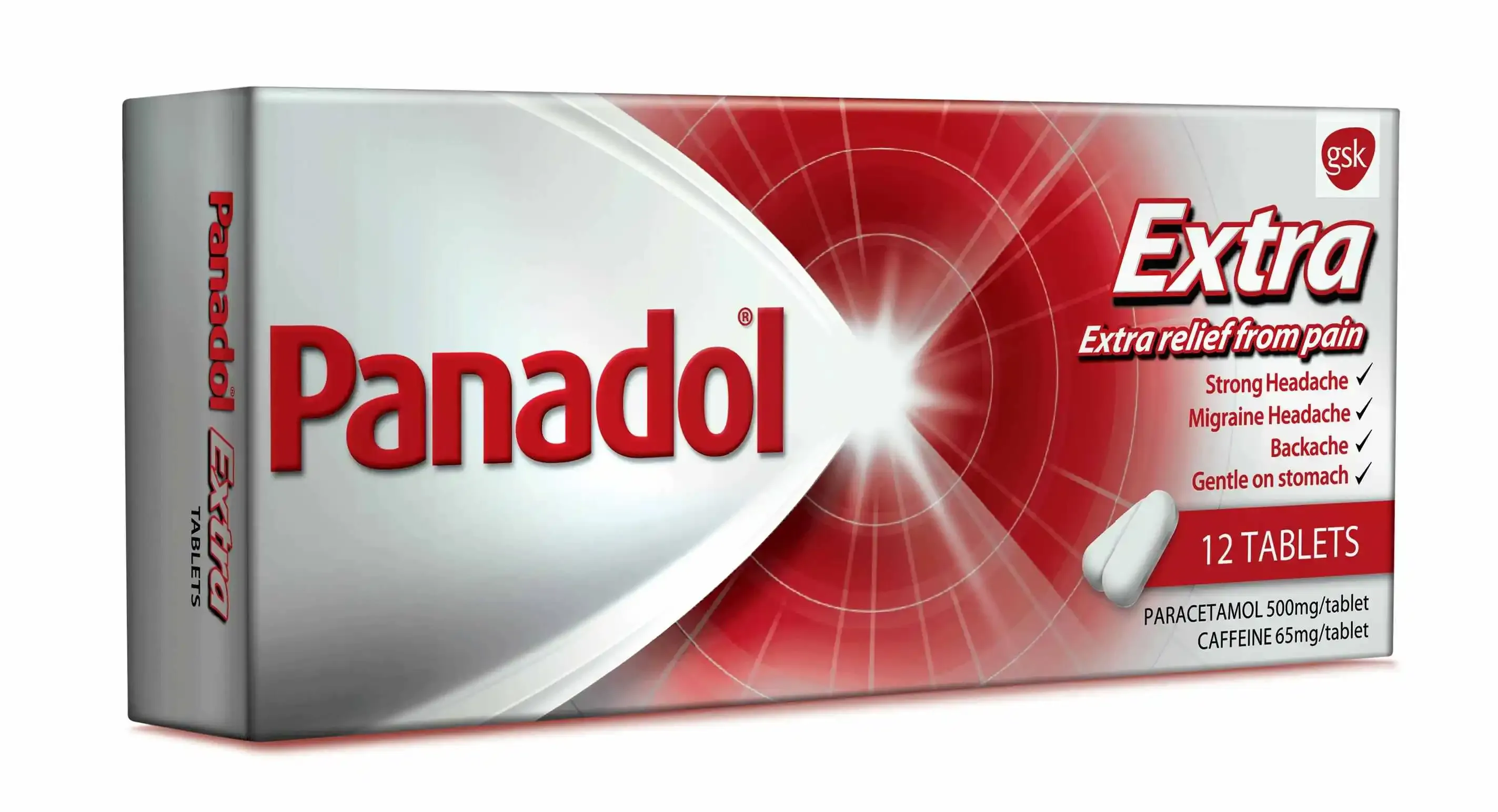
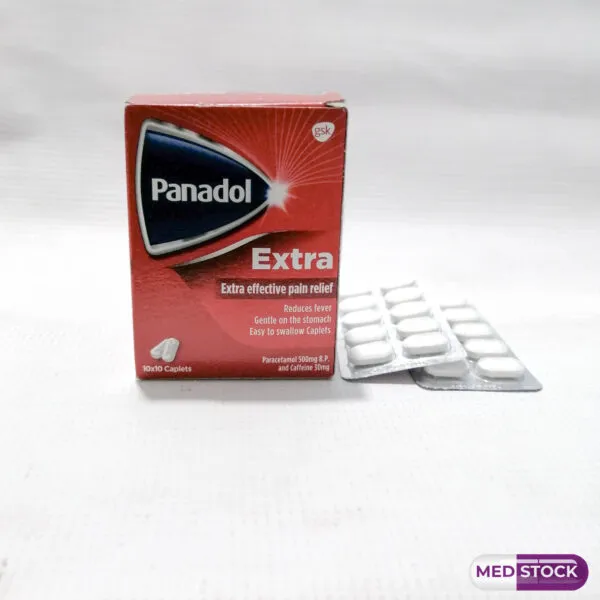
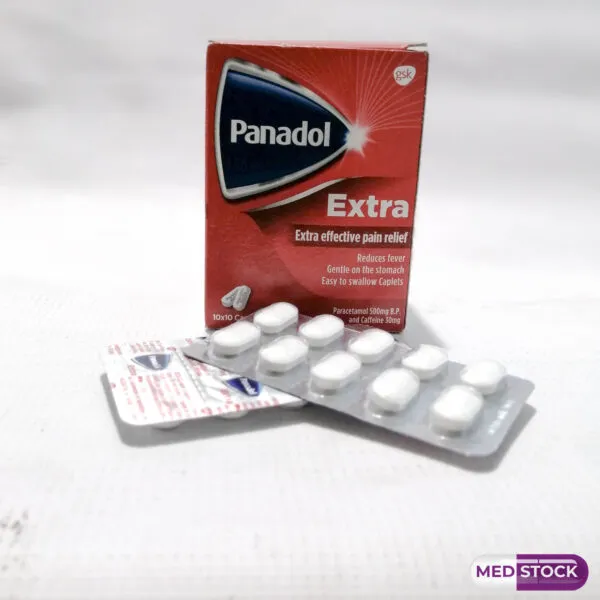
Panadol Extra is a widely recognized over-the-counter analgesic and antipyretic medication. Unlike standard paracetamol formulations, Panadol Extra incorporates a synergistic combination of paracetamol and caffeine. This formulation is specifically engineered to provide enhanced pain relief for patients suffering from acute conditions where standard monotherapy may prove insufficient. As an orthopedic and clinical specialist, it is vital to understand the pharmacodynamics and safety profile of this medication to ensure optimal patient outcomes and safety.
1. Technical Specifications and Mechanisms of Action
Panadol Extra functions through a dual-active mechanism. To understand why it is "Extra," one must analyze the interaction between its two primary components: Paracetamol (Acetaminophen) and Caffeine.
The Synergistic Mechanism
- Paracetamol: Primarily acts as a central nervous system (CNS) analgesic. While its exact mechanism is still being mapped, it is believed to inhibit prostaglandin synthesis in the CNS by acting on the cyclooxygenase (COX) pathways, specifically COX-3, and by modulating the endocannabinoid system. It possesses minimal anti-inflammatory properties, making it distinct from NSAIDs like Ibuprofen.
- Caffeine: Acts as an adjuvant. Caffeine is a methylxanthine that antagonizes adenosine receptors. By blocking these receptors, caffeine provides a mild vasoconstrictive effect and alters pain perception thresholds. Clinical studies suggest that the addition of caffeine to paracetamol increases the analgesic effect by approximately 30-40% compared to paracetamol alone.
Pharmacokinetics
| Parameter | Paracetamol | Caffeine |
|---|---|---|
| Absorption | Rapid and almost complete from the GI tract. | Rapid and complete absorption. |
| Metabolism | Hepatic (Glucuronidation/Sulfation). | Hepatic (CYP1A2 pathway). |
| Half-life | 1.5 to 3 hours. | 3 to 7 hours. |
| Excretion | Primarily renal. | Primarily renal (metabolites). |
2. Clinical Indications and Usage
Panadol Extra is indicated for the short-term management of mild to moderate pain and fever. Its clinical utility is particularly noted in the following orthopedic and general medical scenarios:
- Tension Headaches & Migraines: The caffeine component helps to constrict dilated cerebral blood vessels, which is often a contributing factor in headache pathology.
- Musculoskeletal Pain: Effective for minor back pain, muscle strains, and joint discomfort where inflammation is not the primary driver.
- Dental Pain: Often utilized post-procedure to manage localized oral pain.
- Dysmenorrhea: Provides relief for menstrual cramping.
- Febrile States: Highly effective in reducing core body temperature by acting on the hypothalamic heat-regulating center.
Recommended Dosage Guidelines
Adherence to dosage limits is critical to prevent hepatotoxicity.
- Adults and Children 12+ years: 1 to 2 tablets every 4 to 6 hours as needed.
- Maximum Dose: Do not exceed 8 tablets in a 24-hour period.
- Minimum Interval: Allow at least 4 hours between doses.
- Administration: Tablets should be swallowed whole with water. Do not crush or chew.
3. Risks, Side Effects, and Contraindications
While Panadol Extra is generally well-tolerated, it is not without risks, particularly concerning the liver and the cardiovascular system.
Contraindications
- Hypersensitivity: Known allergy to paracetamol, caffeine, or any excipients in the tablet.
- Hepatic Impairment: Patients with severe liver disease should avoid this medication unless directed by a physician.
- Renal Impairment: Use with caution; long-term high-dose use may affect renal function.
- Caffeine Sensitivity: Individuals prone to tachycardia, arrhythmias, or severe anxiety may experience exacerbated symptoms due to the caffeine content.
Potential Side Effects
- Common: Nausea, jitteriness (due to caffeine), insomnia, or mild gastrointestinal discomfort.
- Rare but Serious: Hepatotoxicity (indicated by jaundice, dark urine, or abdominal pain), skin rashes (Stevens-Johnson Syndrome), and blood dyscrasias (neutropenia or thrombocytopenia).
Pregnancy and Lactation
- Pregnancy: Paracetamol is generally considered the analgesic of choice during pregnancy, but the caffeine content in Panadol Extra requires caution. High intake of caffeine has been associated with low birth weight. It is recommended to consult an obstetrician before use.
- Lactation: Both components pass into breast milk. While generally considered safe in therapeutic doses, the caffeine may cause irritability or sleep disturbances in the infant.
4. Overdose Management
An overdose of Panadol Extra is a medical emergency due to the high risk of Paracetamol-induced Hepatotoxicity.
Clinical Presentation of Overdose
- Early (0-24 hours): Nausea, vomiting, pallor, and diaphoresis.
- Intermediate (24-72 hours): Right upper quadrant abdominal pain, elevated liver enzymes (AST/ALT), and prolonged prothrombin time.
- Late (72-96 hours): Jaundice, coagulopathy, encephalopathy, and potential multi-organ failure.
Emergency Procedures
- Gastric Decontamination: Activated charcoal should be administered if the ingestion occurred within the last 1-2 hours.
- Antidote: N-acetylcysteine (NAC) is the gold-standard treatment. It should be administered as soon as possible, ideally within 8 hours of ingestion, to replenish glutathione stores in the liver.
- Supportive Care: Monitor blood glucose, electrolytes, and liver function tests (LFTs) continuously.
5. Massive FAQ Section: Frequently Asked Questions
Q1: Can I take Panadol Extra with other paracetamol products?
A: No. Taking multiple products containing paracetamol simultaneously can easily lead to a toxic overdose. Always check the labels of other medications (e.g., cold and flu remedies) to ensure you are not exceeding the daily 4000mg limit.
Q2: Why does Panadol Extra contain caffeine?
A: Caffeine acts as an analgesic adjuvant. It enhances the pain-relieving effects of paracetamol, allowing for faster and more effective relief for persistent pain like headaches or migraines.
Q3: Is Panadol Extra safe for children?
A: Panadol Extra is generally indicated for children 12 years and older. Younger children should use age-appropriate paracetamol formulations without caffeine.
Q4: Can I drink coffee while taking Panadol Extra?
A: It is advised to moderate or avoid high caffeine intake (coffee, tea, energy drinks) while taking Panadol Extra to prevent jitters, palpitations, or sleep disturbances.
Q5: Will Panadol Extra help with inflammation?
A: No. Panadol Extra has negligible anti-inflammatory properties. For conditions like severe arthritis or acute injury-related inflammation, NSAIDs or prescribed anti-inflammatories are more appropriate.
Q6: How long can I take Panadol Extra for?
A: It is intended for short-term use. If pain persists for more than 3-5 days or fever persists for more than 3 days, you must consult a medical professional.
Q7: Does Panadol Extra cause stomach ulcers?
A: Unlike NSAIDs (like aspirin or ibuprofen), paracetamol is generally gentle on the stomach lining and does not typically cause ulcers. However, excessive use can still lead to systemic toxicity.
Q8: What should I do if I miss a dose?
A: Take the missed dose as soon as you remember, unless it is nearly time for your next dose. Never double the dose to make up for a missed one.
Q9: Does the caffeine in Panadol Extra cause withdrawal?
A: If used excessively or for long durations, stopping abruptly may lead to mild withdrawal symptoms like irritability or headache, though this is rare at therapeutic dosages.
Q10: Can I take Panadol Extra if I have high blood pressure?
A: Because caffeine can cause a transient increase in blood pressure, hypertensive patients should consult their doctor before regular use of caffeine-containing analgesics.
Disclaimer: This guide is for educational purposes only and does not replace professional medical advice, diagnosis, or treatment. Always consult with a qualified healthcare provider regarding your specific medical conditions or medication interactions.