

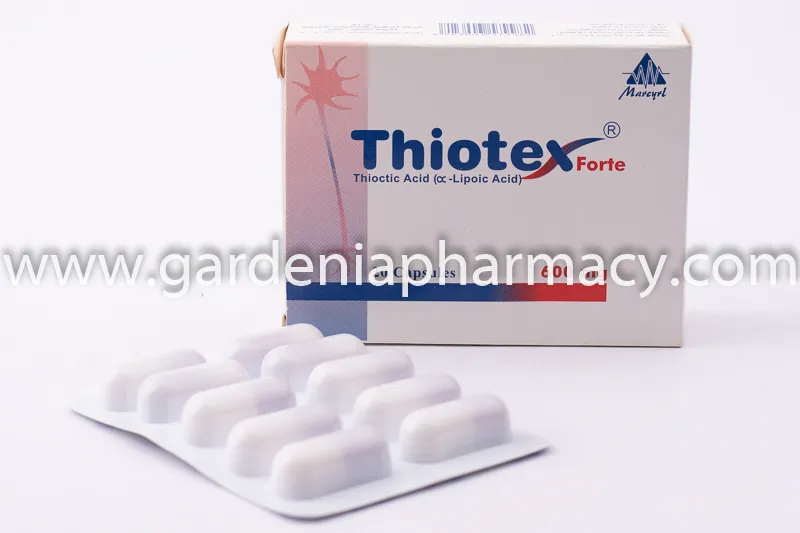

Comprehensive Introduction to Thiotex Fort
Thiotex Fort is a specialized pharmaceutical formulation primarily utilized in the management of peripheral neuropathy and associated metabolic disorders. As a therapeutic agent, it plays a critical role in orthopedic and neurological recovery protocols by addressing oxidative stress and enhancing nerve conduction velocity.
In the clinical landscape, Thiotex Fort is recognized for its potent antioxidant properties, which are essential for patients suffering from diabetic neuropathy, sciatica, or chronic nerve inflammation. By neutralizing reactive oxygen species (ROS) and facilitating mitochondrial energy production, this medication serves as a cornerstone for improving the quality of life in patients experiencing chronic neuropathic pain. This guide provides a rigorous examination of the pharmacological profile, therapeutic applications, and safety parameters associated with Thiotex Fort.
Deep-Dive: Mechanism of Action and Pharmacokinetics
To understand why Thiotex Fort is highly regarded in orthopedic and internal medicine, one must analyze its biochemical pathway. The active component is a potent antioxidant that operates as a coenzyme in the mitochondrial multienzyme complexes.
Mechanism of Action
Thiotex Fort acts through several distinct pathways:
1. Mitochondrial Protection: It functions as a cofactor for the pyruvate dehydrogenase complex and the alpha-ketoglutarate dehydrogenase complex, which are vital for the Krebs cycle.
2. Antioxidant Regeneration: It is unique in its ability to act in both aqueous and lipid environments. It actively regenerates endogenous antioxidants such as Vitamin C, Vitamin E, and Glutathione.
3. Nerve Conduction Enhancement: By reducing oxidative stress in the endoneurial blood vessels, it improves blood flow to the peripheral nerves, thereby increasing nerve conduction velocity and reducing paresthesia.
Pharmacokinetics Profile
| Feature | Description |
|---|---|
| Absorption | Rapidly absorbed after oral administration; bioavailability is approximately 30-50%. |
| Distribution | Distributed widely in body tissues; crosses the blood-brain barrier. |
| Metabolism | Primarily hepatic via beta-oxidation and S-methylation. |
| Excretion | Primarily renal (80-90% of metabolites excreted in urine). |
| Half-life | Approximately 30 to 60 minutes, necessitating consistent dosing intervals. |
Extensive Clinical Indications & Usage
Thiotex Fort is indicated for a variety of conditions where nerve health is compromised. Its primary utility lies in mitigating the symptoms of nerve damage and oxidative stress.
Primary Indications
- Diabetic Peripheral Neuropathy: Used to alleviate burning sensations, numbness, and tingling in the extremities.
- Chronic Sciatica: Helps reduce inflammation surrounding the sciatic nerve root.
- Alcoholic Neuropathy: Aids in nerve repair in patients with chronic alcohol-related neural degradation.
- Adjuvant Orthopedic Care: Often prescribed post-spinal surgery to support nerve regeneration and reduce post-operative neuropathic pain.
Dosage Guidelines
Dosage must be individualized based on the severity of the condition and the patient's renal/hepatic function.
- Standard Adult Dosage: 600 mg daily, usually taken as a single dose on an empty stomach (30 minutes before breakfast).
- Severe Cases: May be titrated up to 1200 mg daily in divided doses, provided the patient tolerates the medication well.
- Administration Note: Food significantly reduces absorption. It is critical that patients consume the medication with a full glass of water at least 30 minutes before any meal.
Risks, Side Effects, and Contraindications
While generally well-tolerated, Thiotex Fort carries specific risks that clinicians and patients must monitor.
Common Side Effects
- Gastrointestinal Distress: Nausea, vomiting, and epigastric pain are the most frequent complaints.
- Dermatological Reactions: Rare instances of skin rash, urticaria, or pruritus.
- Hypoglycemia: In diabetic patients, Thiotex Fort may enhance the effects of insulin or oral hypoglycemic agents. Blood glucose monitoring is mandatory.
Contraindications
- Hypersensitivity: Known allergy to the active ingredient or any excipients in the formulation.
- Pediatric Use: Safety and efficacy in children have not been established; generally contraindicated for pediatric patients.
- Severe Hepatic Impairment: Requires dose adjustment or avoidance due to the liver's role in metabolism.
Pregnancy and Lactation
- Pregnancy: Classified as Category C. Use only if the potential benefit justifies the potential risk to the fetus. Consult an obstetrician before initiation.
- Lactation: It is unknown if the drug is excreted in human milk. Caution is advised for nursing mothers.
Overdose Management
In the event of an overdose, symptoms may include confusion, seizures, lactic acidosis, and hypoglycemia.
1. Immediate Action: Seek emergency medical attention.
2. Supportive Therapy: Gastric lavage or activated charcoal may be administered if ingestion occurred within 1-2 hours.
3. Monitoring: Close monitoring of blood glucose levels and acid-base balance is required for at least 24-48 hours.
Frequently Asked Questions (FAQ)
1. How long does it take for Thiotex Fort to work?
Patients typically notice a reduction in nerve pain within 2 to 4 weeks of consistent daily usage, though clinical benefits may take up to 3 months to fully manifest.
2. Can I take Thiotex Fort with my diabetes medication?
Yes, but with caution. Because it can lower blood sugar, your physician may need to adjust your insulin or oral hypoglycemic dosage to prevent hypoglycemia.
3. Is it safe to take Thiotex Fort long-term?
Yes, clinical studies indicate that long-term use is generally safe, provided that renal and hepatic functions are monitored periodically.
4. What should I do if I miss a dose?
Take the missed dose as soon as you remember. However, if it is almost time for your next dose, skip the missed one. Do not double the dose to make up for a forgotten one.
5. Does Thiotex Fort interact with alcohol?
Alcohol consumption can exacerbate nerve damage and reduce the effectiveness of the medication. It is strongly recommended to limit or avoid alcohol during treatment.
6. Can Thiotex Fort be taken with other vitamins?
Generally, yes. However, it should not be taken simultaneously with iron or calcium supplements, as these can interfere with its absorption. Space them out by at least 2 hours.
7. Does it cause weight gain?
Weight gain is not a documented side effect of Thiotex Fort. If you experience unexpected weight changes, consult your healthcare provider.
8. Is this medication available over the counter?
In many jurisdictions, Thiotex Fort is a prescription-only medication due to its systemic effects on glucose metabolism and potential drug interactions.
9. Can I crush or break the tablets?
Unless the tablet is explicitly scored, it should be swallowed whole to ensure the correct release profile. Consult your pharmacist regarding your specific formulation.
10. What are the signs of an allergic reaction?
Seek immediate help if you experience facial swelling, severe hives, difficulty breathing, or dizziness after taking the medication.
Conclusion
Thiotex Fort stands as a highly effective therapeutic tool in the orthopedic and neurological arsenal. By addressing the fundamental biochemical stressors that lead to nerve degradation, it provides relief where conventional analgesics often fail. However, because of its interaction with glucose metabolism and its specific absorption requirements, it must be used under the strict supervision of a qualified medical professional. Always maintain open communication with your doctor regarding your symptoms and any changes in your overall health status while undergoing treatment.
Disclaimer: This guide is for informational purposes only and does not constitute medical advice, diagnosis, or treatment. Always seek the advice of your physician or other qualified health provider with any questions you may have regarding a medical condition or medication.