
Comprehensive Clinical Overview: Voltaren Forte Emulgel
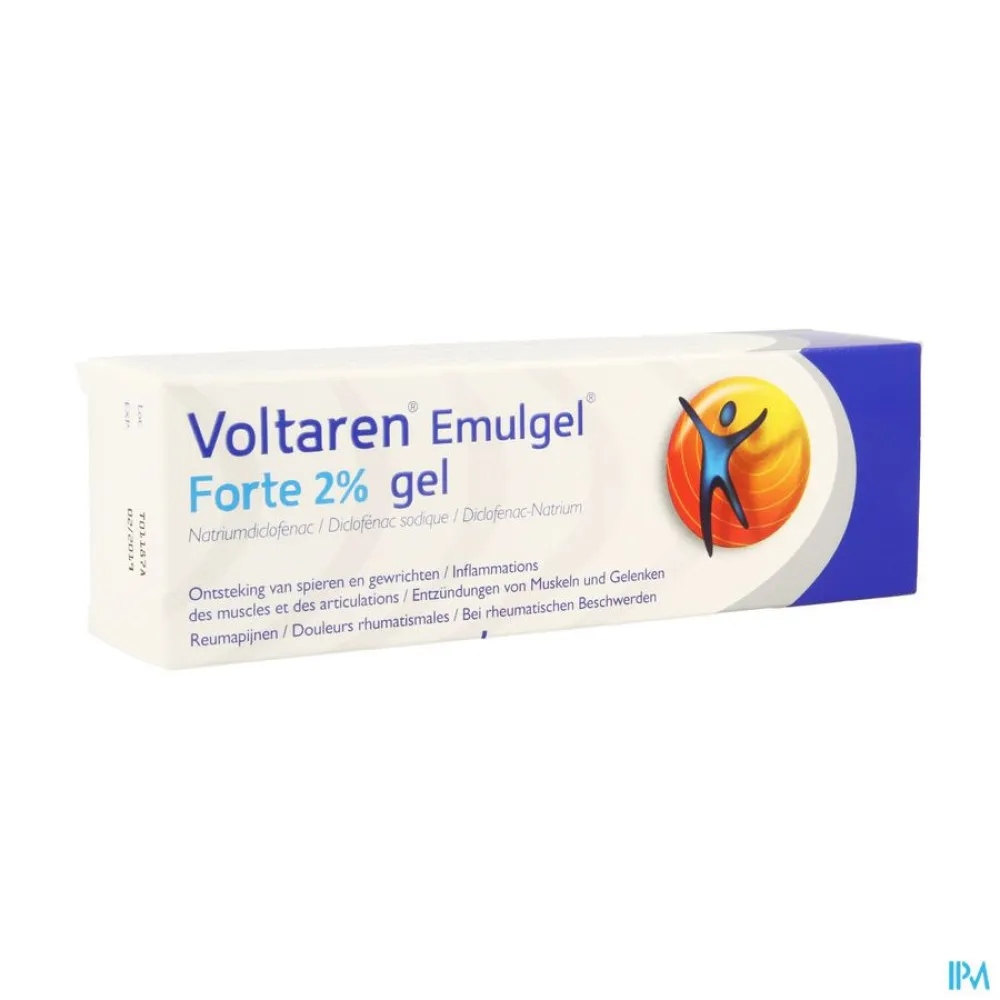
Voltaren Forte Emulgel is a high-potency, topical non-steroidal anti-inflammatory drug (NSAID) widely utilized in orthopedic and musculoskeletal medicine. Formulated as a 2.32% diclofenac diethylamine gel, it represents an advancement over standard 1% formulations, offering a twice-daily dosing regimen that enhances patient compliance while maintaining a robust therapeutic profile.
Unlike oral NSAIDs, which systemic absorption can lead to significant gastrointestinal, renal, and cardiovascular risks, Voltaren Forte Emulgel is designed for targeted, local delivery. This makes it an ideal first-line intervention for localized joint pain, soft tissue injuries, and inflammatory conditions.
Mechanism of Action: How Diclofenac Works Locally
The primary active ingredient in Voltaren Forte Emulgel is diclofenac diethylamine. The "Forte" designation indicates a higher concentration (2.32%), which allows for deeper penetration through the stratum corneum into the underlying synovial tissues and muscle fibers.
The Cyclooxygenase (COX) Inhibition Pathway
Diclofenac functions by inhibiting the cyclooxygenase enzymes, specifically COX-1 and COX-2. These enzymes are responsible for the conversion of arachidonic acid into prostaglandins—the primary chemical mediators of pain, inflammation, and edema. By suppressing prostaglandin synthesis at the site of application, Voltaren Forte effectively:
* Reduces vasodilation and vascular permeability.
* Decreases the sensitization of nociceptors (pain receptors).
* Mitigates the inflammatory response in damaged soft tissues.
Emulgel Technology
The "Emulgel" delivery system is a hybrid of an emulsion and a gel. This dual-phase technology provides the cooling, soothing properties of a gel with the lipophilic (fat-loving) properties of an emulsion. This ensures that the diclofenac penetrates the skin barrier effectively, achieving therapeutic concentrations in the target tissue while minimizing systemic exposure.
Pharmacokinetics and Absorption
When applied topically, diclofenac diethylamine undergoes percutaneous absorption. The 2.32% concentration ensures that sufficient drug levels reach the joint capsule or muscle tissue.
| Parameter | Clinical Observation |
|---|---|
| Systemic Absorption | Approximately 5-10% of the topical dose |
| Protein Binding | High (over 99%) to albumin |
| Metabolism | Hepatic (minor) |
| Excretion | Primarily renal (as glucuronide conjugates) |
Because the systemic bioavailability is significantly lower than oral diclofenac, the risk of systemic side effects is markedly reduced, though not entirely eliminated.
Clinical Indications and Usage
Voltaren Forte Emulgel is indicated for the temporary relief of pain associated with acute, localized musculoskeletal injuries.
Primary Indications
- Acute Soft Tissue Injuries: Strains, sprains, and contusions resulting from sports activities or accidental trauma.
- Osteoarthritis: Specifically indicated for mild to moderate pain in superficial joints, such as the knees and fingers.
- Tendonitis: Reduction of inflammation in acute tendinous structures.
- Muscle Soreness: Symptomatic relief of localized muscle pain following exertion.
Dosage Guidelines
To maximize efficacy and safety, users should adhere to the following application protocols:
* Application Frequency: Apply twice daily (morning and evening).
* Quantity: Use a small amount (typically 2g to 4g, depending on the size of the area).
* Technique: Gently rub the gel into the skin over the painful area. Do not apply to open wounds, infected skin, or mucous membranes.
* Duration: Do not use for more than 14 days without consulting a physician.
Contraindications and Safety Warnings
While topical application is safer than oral administration, specific contraindications must be respected to prevent adverse events.
Contraindications
- NSAID Hypersensitivity: Do not use if you have previously experienced asthma, hives, or allergic reactions to aspirin or other NSAIDs.
- Late Pregnancy: Avoid use during the third trimester due to potential risks to the fetal ductus arteriosus.
- Broken Skin: Never apply to damaged, eczematous, or infected skin.
Drug Interactions
Although systemic absorption is low, potential interactions cannot be entirely ruled out in patients taking high doses of oral NSAIDs or anticoagulants. Patients on blood-thinning medications (e.g., Warfarin) should consult their physician before regular use.
Pregnancy and Lactation
- Pregnancy: Use is generally discouraged, particularly in the first and second trimesters, unless strictly necessary. It is contraindicated in the third trimester.
- Lactation: Diclofenac passes into breast milk in trace amounts. Consult a pediatrician before applying to large areas of the body while breastfeeding.
Adverse Reactions
Most side effects associated with Voltaren Forte Emulgel are dermatological in nature.
- Common: Skin rash, pruritus (itching), erythema (redness), or dermatitis at the application site.
- Rare: Photosensitivity reactions, bullous eruptions, or systemic hypersensitivity (e.g., bronchospasm).
If a rash develops, application should be discontinued immediately.
Overdose Management
Systemic overdose via topical application is extremely rare. However, if massive amounts are ingested or applied over an excessively large surface area for a prolonged period, systemic NSAID toxicity may occur.
Symptoms of Overdose:
* Gastrointestinal distress (nausea, vomiting, epigastric pain).
* Renal impairment.
* Tinnitus or dizziness.
Management:
If ingestion occurs, seek immediate medical attention. Management is supportive. There is no specific antidote for diclofenac toxicity. Gastric lavage and activated charcoal may be considered if ingestion was recent.
Frequently Asked Questions (FAQ)
1. Is Voltaren Forte Emulgel better than the 1% version?
Yes, the 2.32% "Forte" formulation is designed for twice-daily application, whereas the 1% version typically requires three to four applications per day. The higher concentration ensures sustained therapeutic levels.
2. Can I use a heating pad after applying the gel?
No. You should not apply external heat (heating pads, warm compresses) or occlusive dressings over the treated area, as this can increase the rate of systemic absorption and the risk of skin irritation.
3. How long does it take to work?
Many patients report initial pain relief within 30 to 60 minutes, with cumulative anti-inflammatory effects peaking after several days of consistent twice-daily use.
4. Can I use this on my back?
Yes, Voltaren Forte is effective for localized back pain, provided the pain is near the surface. It is less effective for deep-seated visceral or spinal-cord-related pain.
5. Will this interact with my oral blood pressure medication?
The systemic absorption of topical diclofenac is low, but if you have uncontrolled hypertension or renal issues, you should always consult your doctor before adding an NSAID to your regimen.
6. Can I go in the sun after applying the gel?
Be cautious. Some users experience photosensitivity. It is recommended to cover the treated area with clothing if you are going to be exposed to direct sunlight.
7. Is it safe for children?
Voltaren Forte Emulgel is generally not recommended for children under 14 years of age without specific medical supervision.
8. Does it stain clothing?
The Emulgel formulation is non-greasy and generally does not stain clothing, but it is advised to allow the gel to dry completely (a few minutes) before getting dressed.
9. What should I do if I miss a dose?
Simply apply the next scheduled dose. Do not "double up" or apply extra gel to make up for a missed application.
10. Can I use this with other topical creams?
It is recommended to avoid layering Voltaren Forte with other topical products (like menthol rubs or cosmetic lotions) on the same site, as this may alter the absorption profile of the diclofenac.
Conclusion
Voltaren Forte Emulgel stands as a gold-standard topical treatment in modern orthopedics. By leveraging advanced Emulgel technology, it provides high-potency relief for inflammatory conditions while maintaining a safety profile far superior to oral NSAIDs. Patients should always utilize the product as directed, monitor for skin reactions, and consult with a medical professional for long-term pain management strategies.
Disclaimer: This guide is for educational purposes only and does not constitute medical advice. Always seek the advice of your physician or qualified health provider with any questions regarding a medical condition or medication.