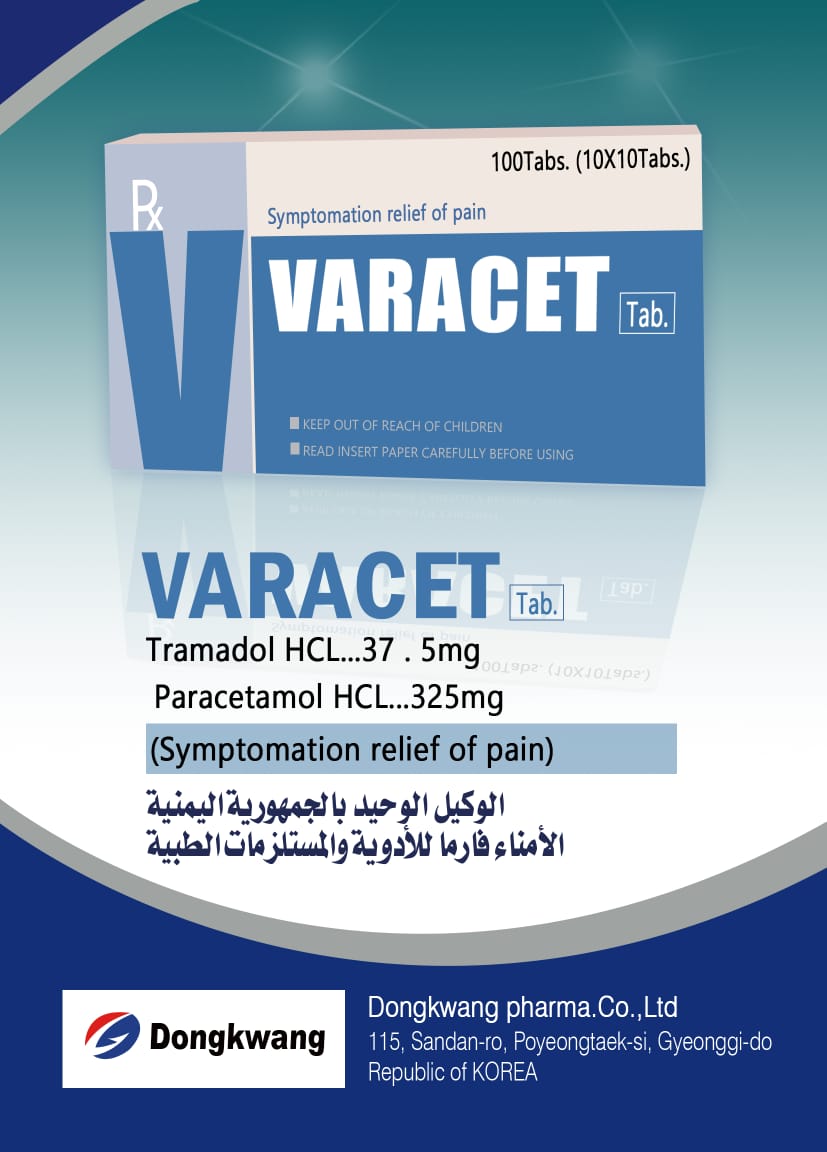
Comprehensive Clinical Guide: Farcet (فارسيت)
1. Introduction and Overview
Farcet (فارسيت) is a therapeutic agent widely recognized in clinical practice for its efficacy in managing inflammatory conditions and pain, particularly those originating from musculoskeletal and neurological origins. As a sophisticated pharmacological formulation, it is designed to provide targeted relief by modulating physiological responses to trauma, degeneration, or systemic inflammation.
In the orthopedic and clinical landscape, Farcet is categorized as a potent analgesic and anti-inflammatory intervention. Its role is pivotal in bridging the gap between acute injury management and long-term rehabilitation. By effectively dampening the inflammatory cascade, Farcet allows for improved patient mobility and early intervention in physical therapy protocols.
2. Technical Specifications and Mechanism of Action
Pharmacodynamics (Mechanism of Action)
The efficacy of Farcet is rooted in its multi-faceted approach to pain modulation. Primarily, it functions through the inhibition of the cyclooxygenase (COX) enzymes, specifically targeting the conversion of arachidonic acid into pro-inflammatory prostaglandins.
- Inhibition of Prostaglandin Synthesis: By reducing the concentration of prostaglandins at the site of injury, Farcet significantly lowers the sensitivity of nociceptors (pain receptors).
- Central Nervous System Modulation: Beyond peripheral anti-inflammatory action, Farcet exerts an influence on the central pain pathways, elevating the pain threshold and mitigating the transmission of nociceptive signals to the thalamus.
- Anti-Edematous Effect: By stabilizing capillary permeability, it reduces the formation of interstitial edema, which is crucial in reducing pressure on surrounding nerve endings in musculoskeletal pathologies.
Pharmacokinetics
Understanding the pharmacokinetic profile is essential for clinical dosing optimization:
| Parameter | Clinical Profile |
|---|---|
| Absorption | Rapidly absorbed from the gastrointestinal tract; peak plasma concentrations reached within 1–2 hours. |
| Distribution | High protein binding (approx. 90-95%); distributes effectively into synovial fluid. |
| Metabolism | Primarily hepatic via cytochrome P450 enzyme systems (CYP2C9/CYP3A4). |
| Elimination | Primarily renal excretion of metabolites; terminal half-life ranges from 4 to 8 hours. |
3. Extensive Clinical Indications and Usage
Farcet is indicated for a broad spectrum of clinical presentations where pain and inflammation represent the primary burden of disease.
Orthopedic and Rheumatological Indications
- Osteoarthritis (OA): Management of joint pain and stiffness, particularly in weight-bearing joints like the knee and hip.
- Rheumatoid Arthritis (RA): Adjunctive therapy to control flares and manage synovial inflammation.
- Acute Musculoskeletal Trauma: Used in the management of sprains, strains, and ligamentous injuries to facilitate early range-of-motion exercises.
- Ankylosing Spondylitis: Providing relief from chronic spinal inflammation and associated rigidity.
Neurological and Soft Tissue Indications
- Radiculopathy: Reducing nerve root inflammation secondary to disc herniation.
- Post-Operative Recovery: Managing inflammatory response following orthopedic reconstructive surgeries (e.g., arthroscopy, internal fixation).
- Tendonitis and Bursitis: Targeted reduction of inflammation in periarticular structures.
4. Dosage Guidelines and Administration
Standard Adult Dosing
- Initial Dose: 1 tablet (dose-specific) twice daily, preferably after meals to minimize gastric irritation.
- Maintenance: Should be titrated to the lowest effective dose to minimize cumulative toxicity.
- Maximum Daily Dose: Must not exceed the manufacturer’s specified ceiling dose, typically 1200mg–1500mg depending on formulation strength.
Special Population Adjustments
- Geriatric Patients: Start at 50% of the standard adult dose due to decreased renal clearance and increased susceptibility to gastrointestinal bleeding.
- Renal Impairment: Requires careful monitoring; dosage reduction is mandatory if creatinine clearance falls below 30 mL/min.
- Hepatic Impairment: Use with caution; avoid in cases of severe hepatic insufficiency (Child-Pugh Class C).
5. Risks, Side Effects, and Contraindications
Adverse Drug Reactions (ADRs)
While generally well-tolerated, clinicians must monitor for:
* Gastrointestinal: Dyspepsia, nausea, gastric erosions, or peptic ulcer disease.
* Cardiovascular: Potential for fluid retention, hypertension, and in long-term high-dose users, a slight increase in thrombotic risk.
* Renal: Potential for reduced glomerular filtration rate, especially in dehydrated patients.
Contraindications
Farcet is strictly contraindicated in:
1. Known Hypersensitivity: Patients with a history of asthma, urticaria, or allergic-type reactions after taking aspirin or other NSAIDs.
2. Active GI Bleeding: History of peptic ulceration or gastrointestinal hemorrhage.
3. Severe Heart Failure: NYHA Class III/IV.
4. Perioperative Pain: Specifically in the setting of coronary artery bypass graft (CABG) surgery.
Pregnancy and Lactation
- Pregnancy: Category C in the first and second trimesters; Category D in the third trimester due to the risk of premature closure of the ductus arteriosus.
- Lactation: Use with caution. It is unknown if the drug is excreted in human milk; breastfeeding should be weighed against the clinical necessity for the mother.
6. Drug Interactions
- Anticoagulants (Warfarin/Heparin): Increased risk of hemorrhage due to anti-platelet effects.
- ACE Inhibitors / Diuretics: Reduced antihypertensive efficacy and increased risk of acute kidney injury.
- Corticosteroids: Increased risk of gastrointestinal ulceration.
- Lithium/Methotrexate: Decreased renal clearance leading to potential toxicity.
7. Overdose Management
In the event of an overdose, the following protocols should be initiated:
1. Gastric Decontamination: Activated charcoal if ingestion occurred within 1 hour.
2. Supportive Care: Monitor vital signs, particularly blood pressure and cardiac rhythm.
3. Renal Protection: Ensure adequate hydration to facilitate renal excretion.
4. Symptomatic Management: Proton pump inhibitors (PPIs) for gastric protection; monitoring for signs of metabolic acidosis or neurological depression.
8. Frequently Asked Questions (FAQ)
Q1: Can Farcet be taken on an empty stomach?
A: It is strongly recommended to take Farcet with food or milk to minimize the risk of gastric irritation, which is a common side effect of this class of medication.
Q2: How long does it take for Farcet to start working?
A: Most patients report initial pain relief within 30 to 60 minutes, though the full anti-inflammatory effect may take several days of consistent use.
Q3: Can I combine Farcet with other painkillers like Paracetamol?
A: Yes, in many clinical scenarios, Farcet can be safely combined with Paracetamol for additive analgesic effects, provided there are no contraindications. Always consult your physician.
Q4: Is Farcet addictive?
A: No, Farcet is a non-opioid analgesic and does not possess the addictive properties associated with narcotic pain medications.
Q5: What should I do if I miss a dose?
A: Take the missed dose as soon as you remember. If it is nearly time for your next dose, skip the missed dose. Do not double the dose.
Q6: Does Farcet affect blood pressure?
A: Like many anti-inflammatories, Farcet can cause sodium retention, which may lead to a modest increase in blood pressure. Patients with hypertension should be monitored.
Q7: Can I drive while taking Farcet?
A: Farcet typically does not cause drowsiness. However, if you experience dizziness or lightheadedness, avoid operating heavy machinery.
Q8: Can children take Farcet?
A: Pediatric use must be strictly supervised by a pediatrician, as dosage calculations are weight-dependent and safety profiles differ from adults.
Q9: How should Farcet be stored?
A: Store at room temperature (below 25°C), away from moisture and direct sunlight. Keep out of reach of children.
Q10: Is a prescription required for Farcet?
A: Yes, Farcet is a prescription-only medication. Its use should be guided by a healthcare professional to ensure safety and therapeutic efficacy.
9. Conclusion
Farcet remains a cornerstone in the management of inflammatory and orthopedic conditions. Its dual-action mechanism provides a robust foundation for pain management. However, as with all potent pharmacological agents, its use must be grounded in clinical judgment, patient-specific risk assessment, and adherence to the guidelines outlined in this document. Always prioritize patient safety by monitoring for adverse effects and maintaining the lowest effective dose for the shortest possible duration.
Disclaimer: This guide is for informational purposes only and does not replace professional medical advice. Always consult with a licensed physician or pharmacist before initiating, changing, or discontinuing any medication.