Clinical Assessment & Protocol
Typical Presentation (HPI)
EN: Patient presents for follow-up of biopsy-proven Class III Focal Proliferative Lupus Nephritis (ICD-10: M32.14). Current symptoms include [hematuria/proteinuria/edema]. Review of systems positive for [fatigue/arthralgia/malar rash]. Renal function stable/declining with recent creatinine of [X] mg/dL and UPCR of [X] g/g. Adherence to immunosuppressive regimen is [good/poor]. AR: يراجع المريض للمتابعة بعد تأكيد الإصابة بالتهاب الكلية الذئبي التكاثري البؤري من الفئة الثالثة (ICD-10: M32.14) عبر الخزعة. تشمل الأعراض الحالية [بيلة دموية/بيلة بروتينية/وذمة]. مراجعة الأجهزة إيجابية لـ [إرهاق/ألم مفصلي/طفح جلدي]. وظائف الكلى [مستقرة/متدهورة] مع كرياتينين أخير [X] مجم/ديسيلتر ونسبة بروتين/كرياتينين في البول [X] جم/جم. الالتزام بالخطة العلاجية المثبطة للمناعة [جيد/ضعيف].
General Examination
EN: Patient appears [well/ill-appearing], alert and oriented x3. Vital signs: BP [X/X] mmHg, HR [X] bpm. Physical exam reveals [trace/pitting] peripheral edema in lower extremities. No signs of acute distress. Skin exam: [malar rash/discoid lesions] noted. AR: المريض يبدو [بحالة جيدة/مريضاً]، واعٍ ومدرك للزمان والمكان. العلامات الحيوية: ضغط الدم [X/X] مم زئبق، نبض [X] نبضة/دقيقة. الفحص السريري يظهر [وذمة خفيفة/انطباعية] في الأطراف السفلية. لا توجد علامات ضيق تنفسي حاد. فحص الجلد: لوحظ وجود [طفح فراشي/آفات قرصية].
Treatment Protocol
EN: Initiate/Continue induction therapy with [Mycophenolate Mofetil/Cyclophosphamide] and high-dose corticosteroids. Monitor for adverse effects including infection, cytopenias, and GI distress. Target BP <130/80 mmHg with ACE inhibitor/ARB therapy. Maintain strict adherence to immunosuppression to prevent progression to Class IV. AR: البدء/الاستمرار في العلاج التحريضي بـ [ميكوفينولات موفيتيل/سيكلوفوسفاميد] مع جرعات عالية من الكورتيكوستيرويدات. مراقبة الآثار الجانبية بما في ذلك العدوى، نقص خلايا الدم، والاضطرابات الهضمية. الهدف هو ضبط ضغط الدم <130/80 مم زئبق باستخدام مثبطات الإنزيم المحول للأنجيوتنسين أو حاصرات مستقبلات الأنجيوتنسين. الحفاظ على التزام صارم بمثبطات المناعة لمنع الترقي إلى الفئة الرابعة.
Patient Education
EN: Class III Lupus Nephritis requires long-term management. Adherence to medications is critical to preserve renal function. Report any fever, signs of infection, or sudden weight gain (fluid retention) immediately. Maintain a low-sodium diet and avoid NSAIDs, as they can worsen kidney function. AR: يتطلب التهاب الكلية الذئبي من الفئة الثالثة رعاية طويلة الأمد. الالتزام بالأدوية أمر حيوي للحفاظ على وظائف الكلى. يجب الإبلاغ فوراً عن أي حمى، علامات عدوى، أو زيادة مفاجئة في الوزن (احتباس سوائل). التزم بنظام غذائي قليل الملح وتجنب مضادات الالتهاب غير الستيرويدية (NSAIDs) لأنها قد تزيد من تدهور وظائف الكلى.
Systemic & Specialized Examinations
EN: Regular rate and rhythm, S1/S2 normal. No murmurs, rubs, or gallops. JVD absent. Peripheral pulses 2+ and symmetric. Monitor BP closely as hypertension is a common complication of lupus nephritis and contributes to renal damage. AR: النظم والسرعة منتظمان، أصوات القلب S1/S2 طبيعية. لا توجد لغطات أو احتكاكات أو أصوات إضافية. لا يوجد تورم في الأوردة الوداجية. النبض المحيطي 2+ ومتماثل. مراقبة ضغط الدم بدقة حيث أن ارتفاعه من المضاعفات الشائعة لالتهاب الكلية الذئبي ويساهم في تلف الكلى.
EN: Abdomen soft, non-tender, non-distended. Bowel sounds present. No hepatosplenomegaly. Monitor for GI side effects secondary to corticosteroid and immunosuppressive therapy (e.g., dyspepsia, gastritis). AR: البطن لين، غير مؤلم عند الجس، وغير منتفخ. أصوات الأمعاء مسموعة. لا يوجد تضخم في الكبد أو الطحال. مراقبة الآثار الجانبية الهضمية الثانوية للعلاج بالكورتيكوستيرويدات ومثبطات المناعة (مثل عسر الهضم، التهاب المعدة).
1. Executive Overview: Understanding Class III Lupus Nephritis
Class III Focal Proliferative Lupus Nephritis (LN) is a serious manifestation of Systemic Lupus Erythematosus (SLE), an autoimmune disorder where the body’s immune system attacks healthy kidney tissue. Clinically categorized under the International Society of Nephrology/Renal Pathology Society (ISN/RPS) classification system, Class III LN is defined by the involvement of less than 50% of the total glomeruli in the kidney.
The term "focal proliferative" indicates that while the damage is not yet diffuse (affecting the entire kidney), it is active and inflammatory. If left unmanaged, this condition can rapidly progress to Class IV (diffuse proliferative) nephritis, leading to irreversible scarring (glomerulosclerosis) and end-stage renal disease (ESRD). Early identification through renal biopsy and aggressive immunosuppressive therapy is critical to preserving long-term nephron function.
2. Pathophysiology, Etiology, and Risk Factors
The Mechanism of Injury
The pathogenesis of Class III LN is rooted in the deposition of immune complexes—primarily IgG, IgA, IgM, and complement components (C3, C1q)—within the glomerular capillary walls or the mesangium. These deposits trigger a cytokine-mediated inflammatory cascade, recruiting leukocytes and stimulating the proliferation of mesangial and endothelial cells.
- Glomerular Pathology: The "focal" nature means that segments of the glomerular tuft show endocapillary or extracapillary hypercellularity.
- Tubular and Interstitial Involvement: While the primary injury is glomerular, secondary tubular atrophy and interstitial fibrosis (TA/IF) can occur if the inflammation remains uncontrolled, leading to a decline in the kidney's ability to concentrate urine.
Etiology and Triggers
SLE is a multifactorial disease involving genetic predisposition (e.g., HLA-DR2/DR3 alleles), hormonal factors (estrogen dominance), and environmental triggers (UV radiation, viral infections, or medications). In Class III LN, the "second hit" is the formation of anti-double-stranded DNA (anti-dsDNA) antibodies that localize to the kidneys, initiating the inflammatory destruction of the filtration barrier.
| Factor Category | Key Contributors |
|---|---|
| Genetic | HLA-DRB1, STAT4, IRF5 gene variants |
| Hormonal | High estrogen-to-androgen ratios |
| Immunologic | Impaired clearance of apoptotic debris, anti-dsDNA titer elevation |
| Environmental | Tobacco use, ultraviolet light, Epstein-Barr Virus (EBV) |
3. Signs, Symptoms, and Clinical Presentation
Patients with Class III LN may present with a spectrum of symptoms ranging from asymptomatic laboratory abnormalities to acute nephritic syndrome.
Clinical Signatures
- Proteinuria: Often sub-nephrotic range, but can reach nephrotic levels (>3.5g/24h) if podocyte injury is significant.
- Hematuria: Microscopic or gross hematuria, reflecting capillary wall rupture.
- Hypertension: A hallmark of renal involvement; often worsening as glomerular filtration decreases.
- Edema: Peripheral edema (legs/ankles) or periorbital swelling due to hypoalbuminemia.
- Active Urinary Sediment: Presence of red blood cell (RBC) casts, which are pathognomonic for glomerular inflammation.
The Nephritic vs. Nephrotic Spectrum
Class III LN often straddles the line between nephritic and nephrotic presentations. Unlike "pure" nephrotic diseases (like Minimal Change Disease), Class III LN is inherently nephritic, meaning it is characterized by active inflammation, hematuria, and hypertension.
4. Standard Diagnostic Evaluation and Workup
A diagnosis of Class III LN cannot be made by blood tests alone; a renal biopsy is the gold standard for staging and determining the activity vs. chronicity index.
Laboratory Assays
- eGFR and Creatinine: Baseline assessment of renal function. An acute rise in creatinine indicates a rapid loss of functional nephrons.
- Urinalysis & Protein-to-Creatinine Ratio (UPCR): Quantitative assessment of proteinuria.
- Serology: Monitoring C3/C4 complement levels (low levels indicate active consumption) and anti-dsDNA titers (correlate with disease activity).
- Complete Blood Count (CBC): To assess for anemia of chronic disease or leukopenia associated with SLE.
The Role of Renal Biopsy
Biopsy is mandatory to differentiate between Class III (focal) and Class IV (diffuse) disease. The pathologist utilizes:
1. Light Microscopy: To quantify the percentage of involved glomeruli.
2. Immunofluorescence: To map the "full house" pattern (deposition of IgG, IgA, IgM, C3, and C1q).
3. Electron Microscopy: To visualize subendothelial and subepithelial electron-dense deposits.
5. Therapeutic Interventions
Management follows the KDIGO (Kidney Disease: Improving Global Outcomes) clinical practice guidelines, focusing on two phases: Induction and Maintenance.
Induction Therapy (Goal: Remission)
- Corticosteroids: High-dose IV methylprednisolone followed by an oral prednisone taper.
- Immunosuppression:
- Mycophenolate Mofetil (MMF): Often preferred for its efficacy and safety profile.
- Cyclophosphamide (CYC): Reserved for more aggressive or refractory cases (Low-dose Euro-Lupus protocol).
- Belimumab/Voclosporin: Recent FDA-approved additions for combination therapy in active LN.
Maintenance Therapy (Goal: Preventing Flare)
Once remission is achieved, the goal is to minimize toxicity. This involves transitioning to lower doses of MMF or Azathioprine, alongside strict blood pressure control (targeting <130/80 mmHg) using ACE inhibitors or ARBs, which provide renoprotective effects by reducing intraglomerular pressure.
Lifestyle and CKD-MBD Management
- Dietary: Sodium restriction (<2g/day) and protein restriction to reduce azotemia.
- Bone Health: Monitoring for CKD-Mineral and Bone Disorder (CKD-MBD) caused by long-term steroid use and declining phosphate clearance.
6. Frequently Asked Questions (FAQ)
1. Is Class III Lupus Nephritis reversible?
Yes, if caught early. With prompt immunosuppressive treatment, active inflammatory lesions can resolve, though scarring (sclerosis) is permanent.
2. How often do I need a renal biopsy?
A biopsy is usually performed at the time of diagnosis. A follow-up biopsy may be indicated if there is a sudden decline in kidney function or if proteinuria increases despite treatment.
3. What is the difference between Class III and Class IV LN?
Class III involves less than 50% of glomeruli, while Class IV involves 50% or more. Both require aggressive immunosuppression.
4. Can I get pregnant with Class III LN?
Pregnancy is possible, but it is considered high-risk. It must be planned during a period of clinical remission and managed by a multidisciplinary team of obstetricians and nephrologists.
5. How does this affect my eGFR?
Class III LN causes fluctuations in eGFR. Effective treatment aims to stabilize the eGFR and prevent the progressive decline that leads to CKD.
6. Do I need to be on dialysis?
Most patients with Class III LN do not require dialysis if they adhere to their medication regimen. Dialysis is only required if the disease progresses to ESRD.
7. Are there long-term side effects of the medications?
Yes. Long-term steroids can cause bone density loss, hyperglycemia, and weight gain. MMF and cyclophosphamide require monitoring for infection risk and bone marrow suppression.
8. What is the "Full House" pattern in biopsy?
This refers to the presence of multiple different immune complexes (IgG, IgA, IgM, C3, C1q) in the kidney, which is a hallmark finding in Lupus Nephritis.
9. Can lifestyle changes cure Lupus Nephritis?
No. Lifestyle changes (low salt, smoking cessation) support the therapy, but medical immunosuppression is required to stop the immune system from attacking the kidneys.
10. What are the warning signs of a flare?
Sudden onset of dark/foamy urine, unexplained swelling in the legs, or a significant rise in blood pressure are signs that you must contact your nephrologist immediately.
Related Clinical Integration
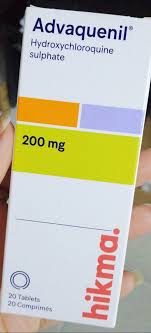
In a modern clinical setting, the management of Class III Focal Proliferative Lupus Nephritis requires a multidisciplinary approach centered on precise diagnostic evaluation and targeted immunosuppressive therapy. Initial diagnosis relies on a Renal biopsy performed with specialized Biopsy Needles, followed by comprehensive histopathological analysis using a Microscope, Electron Microscopy, and Immunofluorescence Microscopy. Ongoing monitoring of disease activity and treatment response necessitates regular Urinalysis with Protein Measurement, Kidney Function Tests (e.g., GFR, Creatinine), and consistent tracking with a Blood pressure monitor. Pharmacological intervention typically involves induction and maintenance regimens utilizing Prednisolone, Mycophenolate Mofetil, Cyclophosphamide, Azathioprine / آزاثيوبرين 50mg, Advaquenil 200mg 200mg, [Rituximab](https://y