Clinical Assessment & Protocol
Typical Presentation (HPI)
EN: Patient presents with progressive paresthesia and numbness involving the left small and ring fingers. Symptoms are exacerbated by prolonged elbow flexion and nocturnal positioning. Reports associated weakness in grip strength and occasional ulnar-sided forearm pain. Denies neck pain or radiculopathy. AR: يعاني المريض من تنميل وخدر متزايد في الإصبعين الصغير والبنصر في اليد اليسرى. تزداد الأعراض سوءاً عند ثني المرفق لفترات طويلة وأثناء النوم. يشكو المريض من ضعف في قوة القبضة وألم متقطع في الجانب الزندي من الساعد. لا توجد شكوى من آلام الرقبة أو اعتلال الجذور العصبية.
General Examination
EN: Left upper extremity examination reveals positive Tinel’s sign at the cubital tunnel. Elbow flexion test is positive for reproduction of symptoms within 60 seconds. Froment’s sign is negative. Sensation is diminished in the left ulnar nerve distribution. No significant muscle atrophy of the interossei noted. Full range of motion of the elbow and wrist. AR: أظهر فحص الطرف العلوي الأيسر إيجابية علامة "تينل" عند نفق المرفق. اختبار ثني المرفق إيجابي مع ظهور الأعراض في غضون 60 ثانية. علامة "فرومنت" سلبية. لوحظ انخفاض في الإحساس في منطقة توزيع العصب الزندي الأيسر. لا يوجد ضمور عضلي ملحوظ في العضلات بين العظام. المدى الحركي للمرفق والمعصم كامل.
Treatment Protocol
EN: Initiate conservative management including nocturnal elbow extension splinting, activity modification to avoid repetitive flexion, and anti-inflammatory medication. Physical therapy referral for nerve gliding exercises and ergonomic assessment. Follow-up in 6 weeks to assess for clinical improvement or need for electrodiagnostic studies. AR: البدء بالعلاج التحفظي الذي يشمل استخدام جبيرة تمديد المرفق أثناء النوم، وتعديل الأنشطة لتجنب الثني المتكرر، وتناول مضادات الالتهاب. إحالة للعلاج الطبيعي لتمارين انزلاق العصب والتقييم الإرغونومي. المتابعة بعد 6 أسابيع لتقييم التحسن السريري أو الحاجة إلى دراسات التوصيل العصبي.
Patient Education
EN: Cubital tunnel syndrome is caused by compression of the ulnar nerve at the elbow. Avoid keeping your left elbow bent for long periods, especially while sleeping or using a phone. Use a pillow or splint to keep the arm straight at night. If you experience worsening weakness or constant numbness, contact the clinic immediately. AR: متلازمة نفق المرفق ناتجة عن ضغط العصب الزندي عند المرفق. تجنب إبقاء مرفقك الأيسر مثنياً لفترات طويلة، خاصة أثناء النوم أو استخدام الهاتف. استخدم وسادة أو جبيرة للحفاظ على استقامة الذراع ليلاً. إذا شعرت بزيادة في الضعف أو خدر مستمر، يرجى مراجعة العيادة فوراً.
Systemic & Specialized Examinations
EN: Isolated neuropathy confirmed clinically. AR: اعتلال عصبي معزول مؤكد سريرياً.
Orthopedic & Trauma Assessments
EN: Repetitive microtrauma, prolonged flexion/extension, or resting on hard surfaces. AR: صدمات دقيقة متكررة، أو الاستناد على أسطح صلبة.
EN: N/A. AR: لا ينطبق.
EN: Atrophy noted in the thenar (median) or hypothenar/intrinsic muscles (ulnar), indicating chronic compression. AR: ضمور في عضلات الإبهام (عصب أوسط) أو عضلات اليد الداخلية (عصب زندي)، مما يشير لضغط مزمن.
EN: Tinel's sign: Exquisitely positive. Phalen's or Elbow Flexion Test: Positive within 30 seconds. Durkan's Compression Test: Positive. AR: علامة تينل، مناورة فالن، واختبار الضغط: كلها إيجابية بشدة.
EN: Weakness (Grade 4/5) in APB (median) or interossei/FDP (ulnar). AR: ضعف في العضلات المحددة المغذاة بالعصب المصاب.
EN: Altered 2-point discrimination (>6mm) on the volar tips of affected digits. AR: تغير في تمييز النقطتين (>6 مم) على أطراف الأصابع.
EN: Upper extremity reflexes 2+. AR: منعكسات الطرف العلوي 2+.
EN: Radial and Ulnar pulses 2+. Allen's test normal. AR: النبضات 2+. اختبار ألين طبيعي.
1. Comprehensive Introduction & Overview
Cubital Tunnel Syndrome (CuTS), specifically involving the left upper extremity, represents the second most common peripheral nerve entrapment neuropathy in the human body, surpassed only by Carpal Tunnel Syndrome (median nerve). It is characterized by the compression or chronic irritation of the ulnar nerve as it passes through the cubital tunnel—a fibro-osseous canal located at the medial aspect of the elbow.
When the ulnar nerve is compromised, patients typically experience progressive paresthesia, sensory deficits in the ring and small fingers, and, in advanced cases, profound intrinsic muscle atrophy. Because the left arm is often the non-dominant hand for the majority of the global population, patients may ignore early symptoms, leading to a delayed diagnosis and a more guarded long-term prognosis compared to dominant-side involvement.
2. Deep-Dive: Technical Specifications and Pathophysiology
The Anatomy of the Cubital Tunnel
The cubital tunnel is defined by the medial epicondyle of the humerus, the olecranon process of the ulna, and the connective tissue bridge—the arcuate ligament (Osborne’s ligament)—that connects the two heads of the flexor carpi ulnaris (FCU) muscle.
Mechanisms of Injury
The ulnar nerve is uniquely vulnerable at the elbow due to its superficial location and its anatomical relationship to the joint. Pathophysiological insults occur through:
- Mechanical Compression: Prolonged flexion of the elbow increases the pressure within the cubital tunnel by up to 7-10 times baseline. This stretches the nerve across the medial epicondyle.
- Dynamic Subluxation: In some individuals, the ulnar nerve is hyper-mobile and snaps over the medial epicondyle during flexion, leading to chronic friction neuritis.
- Ischemia: Microvascular compromise occurs when the nerve is compressed, leading to the breakdown of the blood-nerve barrier, intraneural edema, and subsequent fibrosis.
Clinical Staging (McGowan/Dellon Classification)
To standardize treatment, clinicians utilize the McGowan/Dellon grading system:
| Grade | Clinical Presentation |
|---|---|
| Grade I | Mild: Intermittent paresthesia, no motor weakness. |
| Grade II | Moderate: Intermittent paresthesia with measurable muscle weakness or atrophy. |
| Grade III | Severe: Constant paresthesia, profound atrophy, possible clawing of the hand. |
3. Extensive Clinical Indications & Usage
Standard Presentation
A patient presenting with Left Cubital Tunnel Syndrome will typically report:
1. Sensory Alterations: Numbness and tingling in the ulnar distribution (medial 1.5 digits).
2. Nocturnal Exacerbation: Waking up at night due to paresthesia, often caused by sleeping with the arm in a flexed position.
3. Clumsiness: Difficulty with fine motor tasks (e.g., buttoning a shirt, typing, or playing musical instruments).
4. Muscle Wasting: Visible hollowing between the metacarpals on the dorsal aspect of the hand (interosseous atrophy).
Diagnostic Testing Protocols
Diagnosis is clinical, but confirmed through objective testing:
- Tinel’s Sign: Percussion over the cubital tunnel produces a tingling sensation in the ring and small finger.
- Elbow Flexion Test: Holding the elbow in maximal flexion for 60 seconds reproduces symptoms.
- Froment’s Sign: The patient is unable to hold a piece of paper between the thumb and index finger without flexing the interphalangeal joint of the thumb (indicating compensatory recruitment of the median nerve due to adductor pollicis paralysis).
- Electrodiagnostic Studies (EMG/NCS): The gold standard. Nerve conduction studies (NCS) measure the velocity of electrical signals across the elbow; a slowing of conduction speed is diagnostic.
Differential Diagnosis
It is critical to rule out other pathologies that mimic CuTS:
* C8 Radiculopathy: Compression of the nerve root in the cervical spine.
* Thoracic Outlet Syndrome (TOS): Compression of the brachial plexus.
* Guyon’s Canal Syndrome: Compression of the ulnar nerve at the wrist level.
* Medial Epicondylitis: "Golfer’s elbow," which presents with pain but typically lacks the neurological deficits of CuTS.
4. Risks, Side Effects, and Contraindications
Risks of Non-Intervention
Ignoring symptoms of Left Cubital Tunnel Syndrome can lead to permanent axonal loss. Once nerve fibers die (Wallerian degeneration), surgical decompression may only serve to prevent further decline rather than restore lost function.
Surgical Risks (Decompression/Transposition)
When conservative measures (bracing, NSAIDs, activity modification) fail, surgical intervention is indicated. Risks include:
* Iatrogenic Nerve Injury: Direct damage to the ulnar nerve during dissection.
* Infection: Standard post-operative risk.
* Chronic Pain/Neuroma: Persistent hypersensitivity at the incision site.
* Failure of Decompression: Incomplete release of the Osborne ligament.
Contraindications for Conservative Management
Conservative management is contraindicated if the patient exhibits:
1. Progressive or profound muscle atrophy.
2. Objective motor weakness on physical examination.
3. Sensory loss that impacts activities of daily living (ADLs).
5. Frequently Asked Questions (FAQ)
1. Is Left Cubital Tunnel Syndrome permanent?
Not necessarily. If caught in the early stages (Grade I), it is often reversible with conservative management. If left untreated until muscle atrophy occurs, some nerve damage may be irreversible.
2. Can typing cause CuTS?
Yes. Prolonged resting of the elbows on hard surfaces or keeping the arms in a flexed position while using a keyboard can exacerbate the condition.
3. What is the difference between "Golfer’s Elbow" and Cubital Tunnel Syndrome?
Golfer’s elbow is an inflammation of the tendons (medial epicondylitis). Cubital Tunnel Syndrome is a neurological condition involving the nerve itself. They can coexist.
4. Will I need surgery?
Surgery is usually reserved for patients who do not respond to 3-6 months of conservative therapy or those who present with severe neurological deficits.
5. How long is the recovery after surgery?
Recovery varies. Most patients return to light activities in 2–4 weeks, but full nerve regeneration can take several months.
6. Can I prevent CuTS?
Yes. Avoid prolonged elbow flexion, use ergonomic supports, and maintain proper posture while working at a desk.
7. Does smoking affect my recovery?
Yes. Smoking constricts peripheral blood vessels, significantly reducing the oxygen supply to the nerve and slowing the healing process.
8. What is the "Elbow Flexion Test"?
It is a clinical test where the patient fully flexes their elbow to reproduce the tingling sensation. If symptoms appear within 60 seconds, the test is positive.
9. Are there exercises I can do?
Nerve gliding exercises (nerve flossing) can be helpful, but these should only be performed under the guidance of a physical therapist to avoid over-stretching the inflamed nerve.
10. Why is the left arm affected more often in some people?
While CuTS can occur on either side, it often manifests on the non-dominant side due to different ergonomic habits, such as leaning on the left elbow while the right hand uses a mouse.
6. Long-Term Prognosis
The prognosis for Left Cubital Tunnel Syndrome is generally favorable, provided the diagnosis is prompt. Patients who adhere to activity modification—specifically avoiding sustained flexion and direct pressure on the medial epicondyle—often see significant symptom resolution within 12 weeks.
For those requiring surgical decompression (in-situ decompression or anterior transposition of the nerve), the success rate is high, with the majority of patients reporting a significant reduction in nocturnal pain and paresthesia. However, patients with long-standing atrophy should have realistic expectations; surgical intervention in these cases is primarily intended to halt the progression of the disease rather than provide a full restoration of intrinsic hand strength.
Clinical Summary Table
| Treatment Phase | Goal | Modality |
|---|---|---|
| Acute | Reduce Inflammation | NSAIDs, Night Splinting (Extension) |
| Sub-Acute | Nerve Mobilization | Physical Therapy, Ergonomic Assessment |
| Chronic/Severe | Decompression | Surgical Release or Nerve Transposition |
In conclusion, Cubital Tunnel Syndrome of the left arm is a manageable condition that requires a high index of clinical suspicion. Early recognition of the sensory and motor signatures of ulnar nerve entrapment is paramount to preserving the functional integrity of the hand. Healthcare providers should emphasize patient education regarding ergonomics and the importance of avoiding sustained elbow flexion to mitigate the risk of long-term neurological sequelae.
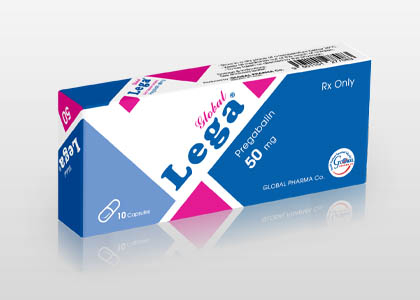
Related Clinical Integration
In the management of Cubital Tunnel Syndrome, Left, a multidisciplinary approach is essential to address both symptomatic relief and potential surgical intervention. Pharmacological management often involves the use of Gabantin / غابانتين 400mg and Lega / ليغا 50 mg to mitigate neuropathic pain, while Advil / أدفيل 200mg may be utilized to manage associated inflammatory discomfort. Should conservative measures fail, surgical decompression of the ulnar nerve is indicated, necessitating high-precision visualization tools to ensure optimal outcomes; specifically, surgeons frequently employ Surgical Loupes (3.5x to 4.5x magnification) / عدسات مكبرة جراحية (تكبير 3.5x إلى 4.5x) for standard procedures or a Surgical Operating Microscope / مجهر جراحي for complex neurolysis, ensuring the preservation of delicate nerve fascicles during the procedure.