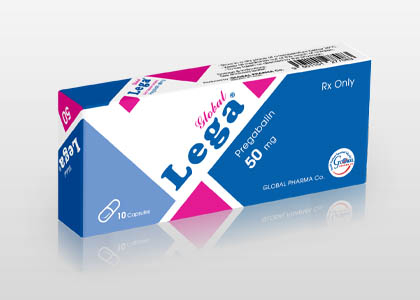
Clinical Assessment & Protocol
Typical Presentation (HPI)
EN: Foot drop and numbness on the dorsum of the foot. AR: سقوط القدم وتنميل في ظهر القدم.
General Examination
EN: AR:
Treatment Protocol
EN: AR:
Patient Education
EN: AR:
Systemic & Specialized Examinations
EN: S1, S2 present. No murmurs. AR: صوتا القلب الأول والثاني طبيعيان. لا توجد نفخات.
EN: Lungs clear to auscultation. AR: الرئتان صافيتان عند التسمع.
EN: Abdomen soft, non-tender. AR: البطن لين ولا يوجد ألم.
EN: Alert, oriented x3. No focal deficits. AR: المريض واعي ومدرك. لا يوجد عجز عصبي بؤري.
EN: Unremarkable or not routinely indicated. AR: طبيعي أو غير مطلوب روتينياً.
EN: Unremarkable or not routinely indicated. AR: طبيعي أو غير مطلوب روتينياً.
EN: Unremarkable or not routinely indicated. AR: طبيعي أو غير مطلوب روتينياً.
EN: Unremarkable or not routinely indicated. AR: طبيعي أو غير مطلوب روتينياً.
EN: Unremarkable or not routinely indicated. AR: طبيعي أو غير مطلوب روتينياً.
Comprehensive Clinical Guide: Fibular Nerve Entrapment (Peroneal Nerve Palsy)
1. Introduction and Clinical Overview
Fibular nerve entrapment, frequently referred to in clinical literature as common peroneal nerve (CPN) palsy, represents the most common mononeuropathy of the lower extremity. The common fibular nerve, a branch of the sciatic nerve, is particularly vulnerable due to its superficial anatomical course as it winds around the fibular neck.
When the nerve is compressed, tethered, or subjected to chronic micro-trauma, it results in a spectrum of clinical manifestations ranging from transient paresthesia to irreversible motor deficits, most notably "foot drop." As clinicians, understanding the precise anatomical constraints and the physiological response of the nerve to compression is paramount for early intervention and the prevention of permanent neurogenic atrophy.
2. Anatomy and Pathophysiology
The common fibular nerve originates from the L4-S2 nerve roots. It descends through the popliteal fossa, crossing the lateral head of the gastrocnemius, and wraps around the neck of the fibula. At this juncture, it passes through the fibular tunnel—a fibro-osseous structure formed by the tendinous arch of the peroneus longus muscle.
Mechanisms of Injury:
- Compression: External pressure (e.g., prolonged crossing of legs, casts, or tight compression stockings).
- Traction: Sudden inversion injuries or valgus stress on the knee.
- Ischemia: Compression of the vasa nervorum, leading to endoneurial edema.
- Space-Occupying Lesions: Ganglion cysts, lipomas, or osteochondromas in the proximal fibular region.
Pathophysiological Grading (Seddon’s Classification):
| Grade | Terminology | Pathophysiology | Prognosis |
|---|---|---|---|
| Grade I | Neurapraxia | Focal demyelination; axon remains intact. | Excellent (days to weeks). |
| Grade II | Axonotmesis | Axonal disruption; endoneurium intact. | Good (Wallerian degeneration/regeneration). |
| Grade III | Neurotmesis | Complete disruption of nerve and sheath. | Poor (requires surgical repair). |
3. Clinical Presentation and Staging
Patients typically present with a constellation of sensory and motor symptoms that vary depending on the chronicity of the entrapment.
Hallmark Clinical Indicators:
- Sensory Deficits: Paresthesia or numbness along the anterolateral aspect of the lower leg and the dorsum of the foot.
- Motor Weakness: Weakness in ankle dorsiflexion (tibialis anterior) and eversion (peroneus longus/brevis).
- Gait Disturbance: Steppage gait, characterized by exaggerated hip and knee flexion to clear the foot during the swing phase.
Clinical Staging (Severity Scale):
- Stage 1 (Mild): Intermittent paresthesia, no motor weakness. Often resolves with conservative postural modification.
- Stage 2 (Moderate): Persistent sensory loss; mild motor weakness (Grade 4/5 on MRC scale).
- Stage 3 (Severe): Complete foot drop (Grade 0-2/5); significant atrophy of the anterior compartment muscles.
4. Differential Diagnosis
It is critical to distinguish fibular nerve entrapment from pathologies that mimic its presentation. Misdiagnosis can lead to unnecessary surgical intervention or delay in treating systemic conditions.
- L5 Radiculopathy: This is the most common "mimic." Unlike CPN palsy, L5 radiculopathy often presents with weakness in the gluteus medius and inversion (tibialis posterior).
- Sciatic Neuropathy: Involves both the tibial and fibular divisions. Look for weakness in the gastrocnemius (plantar flexion) and hamstrings.
- Compartment Syndrome: Acute, severe pain, tense musculature, and pain with passive stretching. This is a surgical emergency.
- Diabetic Amyotrophy: Often associated with systemic polyneuropathy rather than focal entrapment.
5. Diagnostic Testing Protocols
A multimodal approach is required to confirm the diagnosis and localize the site of entrapment.
Key Diagnostic Modalities:
- Electromyography (EMG) and Nerve Conduction Studies (NCS): The gold standard. NCS will show slowed conduction velocity across the fibular head. EMG will reveal denervation potentials in the tibialis anterior and peroneus muscles, sparing the tibialis posterior (which is innervated by the tibial nerve).
- High-Resolution Ultrasound (HRUS): Excellent for identifying space-occupying lesions (cysts) or nerve swelling (cross-sectional area increase).
- Magnetic Resonance Imaging (MRI): Essential if a mass is suspected. It provides clear visualization of the fibular tunnel and surrounding soft tissue.
- Physical Provocation Tests: Tinel’s sign at the fibular head is highly suggestive but lacks high sensitivity.
6. Management and Treatment Strategies
Conservative Management (First-line):
- Modification of Habits: Cessation of leg crossing and avoidance of prolonged squatting.
- Orthotics: Ankle-Foot Orthosis (AFO) to prevent tripping and assist with clearance during gait.
- Physical Therapy: Focus on nerve gliding exercises and strengthening of the preserved muscle groups to prevent contracture.
Surgical Intervention:
Surgical decompression (neurolysis) is indicated when:
* There is a clear space-occupying lesion.
* Conservative management fails after 3–6 months.
* There is progressive neurological deficit.
7. Risks, Complications, and Contraindications
- Contraindications to Surgery: Severe, long-standing atrophy (over 12-18 months) where reinnervation is unlikely; uncontrolled systemic disease.
- Risks of Surgery: Iatrogenic injury to the nerve, infection, hematoma, or incomplete resolution of symptoms if the nerve has undergone irreversible fibrosis.
- Contraindications to Conservative Care: Failure to treat acute compartment syndrome (this is a medical emergency requiring immediate fasciotomy).
8. Long-Term Prognosis
Prognosis is highly dependent on the "time to treatment" window.
* Neurapraxic injuries generally recover fully within 6–12 weeks.
* Axonotmetic injuries follow a regenerative rate of approximately 1mm per day.
* Chronic cases (>1 year) often result in permanent motor loss, necessitating long-term use of orthotic devices or tendon transfer surgeries (e.g., posterior tibial tendon transfer to the dorsum of the foot).
9. Frequently Asked Questions (FAQ)
1. Can crossing my legs cause permanent nerve damage?
Yes, chronic, repetitive compression of the fibular nerve while crossing legs can lead to focal demyelination and, eventually, permanent axonal loss.
2. What is "Foot Drop"?
Foot drop is the inability to lift the front part of the foot due to weakness or paralysis of the muscles that lift the foot (dorsiflexors), often caused by fibular nerve injury.
3. Is EMG painful?
It involves small needles and mild electrical stimulation. Most patients describe it as uncomfortable but highly tolerable and essential for an accurate diagnosis.
4. Will I need surgery for my foot drop?
Not always. Many cases of neurapraxia resolve with rest and physical therapy. Surgery is reserved for structural obstructions or cases that do not improve after several months.
5. How long does nerve regeneration take?
Nerves regenerate at a rate of roughly 1 inch per month. Recovery can take anywhere from several months to over a year.
6. Can diabetes cause fibular nerve entrapment?
Yes, diabetic patients are more susceptible to "double crush" syndrome, where the nerve is already sensitized by systemic neuropathy and is more easily damaged by minor compression.
7. Is there a specific diet that helps nerve recovery?
While no specific diet cures entrapment, maintaining stable blood sugar and adequate intake of B-vitamins (B1, B6, B12) supports overall nerve health.
8. What does "Tinel’s Sign" mean?
It is a tingling sensation felt in the distribution of the nerve when the clinician taps over the site of entrapment (the fibular head).
9. Can I drive with fibular nerve entrapment?
If you have significant foot drop, your ability to operate foot pedals is impaired. You should consult your physician regarding driving safety.
10. What is the success rate of surgical decompression?
For patients with clear compression (e.g., a cyst), success rates are high, often exceeding 80-90% in terms of pain relief and functional improvement.
10. Clinical Summary Table: The "Red Flags"
| Red Flag | Clinical Significance | Action |
|---|---|---|
| Sudden Onset | Possible compartment syndrome | Immediate Surgical Consult |
| Bilateral Symptoms | Systemic polyneuropathy | Metabolic/Endocrine Workup |
| Weakness in Inversion | Likely L5 Radiculopathy | Lumbar Spine Imaging |
| Palpable Mass | Tumor or Ganglion | MRI / Specialist Referral |
Medical Disclaimer: This guide is intended for educational and informational purposes for healthcare professionals and patients. It does not replace professional medical advice, diagnosis, or treatment. Always seek the advice of a qualified orthopedic surgeon or neurologist regarding any medical condition.