Clinical Assessment & Protocol
Typical Presentation (HPI)
EN: Sudden onset of severe shoulder pain followed by weakness of the arm. AR: بدء مفاجئ لألم شديد في الكتف يتبعه ضعف في الذراع.
General Examination
EN: Unremarkable or not routinely indicated. AR: طبيعي أو غير مطلوب روتينياً.
Treatment Protocol
EN: Analgesics and aggressive physical therapy. AR: مسكنات الألم والعلاج الطبيعي المكثف.
Patient Education
EN: Expected full recovery takes several months to years. AR: من المتوقع أن يستغرق التعافي الكامل عدة أشهر إلى سنوات.
Systemic & Specialized Examinations
EN: S1, S2 present. No murmurs. AR: صوتا القلب الأول والثاني طبيعيان. لا توجد نفخات.
EN: Lungs clear to auscultation. AR: الرئتان صافيتان عند التسمع.
EN: Abdomen soft, non-tender. AR: البطن لين ولا يوجد ألم.
EN: Muscle wasting in the shoulder and forearm; sensory loss in the C5-T1 distribution. AR: ضمور عضلي في الكتف والساعد؛ فقدان حسي في توزيع الأعصاب C5-T1.
EN: Unremarkable or not routinely indicated. AR: طبيعي أو غير مطلوب روتينياً.
EN: Unremarkable or not routinely indicated. AR: طبيعي أو غير مطلوب روتينياً.
EN: Unremarkable or not routinely indicated. AR: طبيعي أو غير مطلوب روتينياً.
EN: Unremarkable or not routinely indicated. AR: طبيعي أو غير مطلوب روتينياً.
EN: Unremarkable or not routinely indicated. AR: طبيعي أو غير مطلوب روتينياً.
1. Comprehensive Introduction & Overview
Idiopathic Brachial Plexopathy (IBP), historically and clinically referred to as Parsonage-Turner Syndrome (PTS), Neuralgic Amyotrophy, or Brachial Neuritis, is a rare, complex peripheral nerve disorder characterized by the acute onset of severe, debilitating pain in the shoulder girdle, followed by progressive muscle weakness and atrophy.
Unlike traumatic nerve injuries, IBP is typically non-traumatic. It is categorized as a localized inflammatory polyneuropathy affecting the brachial plexus—the network of nerves that sends signals from the spinal cord to the shoulder, arm, and hand. The condition generally follows a triphasic clinical course: an acute phase of intense pain, a subsequent phase of motor weakness, and a prolonged recovery phase involving muscle atrophy and potential sensory deficits.
Clinical Significance
While often self-limiting, the morbidity associated with IBP is significant. Patients often endure weeks of sleep deprivation due to intractable pain, followed by months or even years of functional impairment. Because it is frequently misdiagnosed as rotator cuff pathology, cervical radiculopathy, or adhesive capsulitis, early clinical recognition is paramount to prevent unnecessary surgical interventions and to initiate appropriate rehabilitative strategies.
2. Deep-Dive: Technical Specifications and Mechanisms
Etiology
The term "idiopathic" remains a misnomer in modern clinical practice, as research increasingly suggests an immune-mediated mechanism. While the primary cause is often unknown, the following triggers are frequently documented:
* Viral Infections: Parvovirus B19, Cytomegalovirus, Epstein-Barr virus, and recently, SARS-CoV-2.
* Immunization: Post-vaccination inflammatory response (e.g., influenza or tetanus boosters).
* Surgical Procedures: Post-operative immune activation.
* Genetic Predisposition: Mutations in the SEPT9 gene have been identified in hereditary neuralgic amyotrophy (HNA), which shares phenotypic traits with idiopathic cases.
Pathophysiology
The underlying mechanism is believed to be an autoimmune-mediated inflammatory process targeting the brachial plexus. Histopathological findings suggest a focal inflammatory infiltrate within the nerve fascicles, leading to secondary demyelination and axonal degeneration.
The "focal" nature of the disease is a defining feature. Rather than a global plexus inflammation, the disease tends to affect specific branches—most commonly the long thoracic nerve, the suprascapular nerve, and the anterior interosseous nerve. This leads to the characteristic "patchy" weakness observed in clinical examinations.
3. Extensive Clinical Indications & Usage
Standard Presentation
The typical clinical progression of IBP follows a distinct pattern:
| Phase | Duration | Clinical Manifestations |
|---|---|---|
| Acute (Pain) | Days to Weeks | Severe, "stabbing" or "burning" pain in the shoulder/scapula. Often worse at night. |
| Subacute (Weakness) | Weeks to Months | Pain subsides; emergence of muscle weakness, paralysis, and atrophy. |
| Chronic (Recovery) | Months to Years | Gradual return of motor function; significant muscle wasting; potential residual numbness. |
Diagnostic Criteria
Diagnosis is primarily clinical, supported by exclusionary testing. The "classic triad" includes:
1. Acute onset of severe shoulder pain.
2. Subsequent resolution of pain with the onset of weakness.
3. Asymmetric, multifocal neurological deficits in the distribution of the brachial plexus.
Differential Diagnosis
The clinician must distinguish IBP from conditions that mimic its presentation:
* Cervical Radiculopathy: Usually involves dermatomal sensory loss and neck pain that radiates into the arm.
* Rotator Cuff Tear: Typically related to trauma; pain is usually mechanical rather than constant/nocturnal.
* Parsonage-Turner Syndrome (Hereditary): Check family history for recurrent episodes.
* Pancoast Tumor: Requires thoracic imaging to rule out apical lung malignancy compressing the plexus.
4. Key Diagnostic Tests
To confirm a diagnosis of IBP, a multimodal approach is necessary to rule out structural mimics.
Electromyography (EMG) and Nerve Conduction Studies (NCS)
- Purpose: To localize the lesion and assess the severity of axonal loss.
- Findings: Reduced compound muscle action potentials (CMAPs), denervation potentials (fibrillations, positive sharp waves), and signs of reinnervation. Note: EMG findings may be delayed by 2–3 weeks post-symptom onset.
Magnetic Resonance Imaging (MRI)
- Neurography: High-resolution MRI of the brachial plexus can visualize nerve enlargement, hyperintensity (edema), and signal changes.
- Denervation Edema: MRI of the affected muscles often shows hyperintensity on STIR/T2-weighted images, indicating denervation atrophy before physical wasting becomes visible.
Laboratory Workup
- Rule-out: ESR, CRP (inflammatory markers), ANA, RF, and Lyme titers to rule out vasculitis or infectious causes.
5. Risks, Side Effects, and Contraindications
Management Risks
- Over-medicalization: Avoiding unnecessary surgery (e.g., rotator cuff repair) is critical. Patients with IBP will not improve with shoulder surgery.
- Corticosteroid Side Effects: While high-dose steroids may shorten the acute pain phase, they carry risks of metabolic disturbance, insomnia, and secondary infection.
Contraindications
- Aggressive Physical Therapy: During the acute inflammatory phase, aggressive range-of-motion exercises can exacerbate nerve irritation. Physical therapy should be phased based on clinical tolerance.
6. Long-Term Prognosis
The prognosis for IBP is generally favorable, but the timeline is extensive.
* Pain: Typically resolves within 2–6 weeks.
* Motor Recovery: The majority of patients regain functional strength within 1 to 3 years.
* Residual Deficits: Approximately 10–20% of patients experience permanent muscle atrophy, scapular winging, or exercise intolerance in the affected limb.
* Recurrence: While rare, recurrence can occur, particularly in individuals with a genetic predisposition (HNA).
7. Massive FAQ Section
1. Is Idiopathic Brachial Plexopathy contagious?
No. It is an inflammatory or autoimmune response and cannot be spread from person to person.
2. Why is the pain so severe in the beginning?
The pain is neuropathic in origin, caused by acute inflammation of the nerve roots and trunks. It often does not respond to standard NSAIDs.
3. Does this condition lead to permanent paralysis?
Total, permanent paralysis is extremely rare. Most patients experience significant, albeit slow, functional recovery.
4. Is surgery ever required for IBP?
Surgery is almost never the primary treatment. However, in cases of severe, persistent nerve damage, nerve transfer or tendon transfer surgeries may be considered by specialized orthopedic surgeons.
5. How can I tell if my shoulder pain is IBP or a rotator cuff injury?
Rotator cuff injuries are usually worsened by specific movements (lifting, reaching). IBP pain is often constant, nocturnal, and not relieved by position changes.
6. Are there specific vaccines that trigger IBP?
While any immune-stimulating event can theoretically trigger it, it has been anecdotally linked to flu and tetanus vaccines. The benefits of vaccination still far outweigh the very low risk of IBP.
7. How long will the muscle atrophy last?
Muscle atrophy can persist for the duration of the recovery period. Once the nerve reinnervates the muscle, the atrophy will begin to reverse.
8. What is the role of physical therapy?
Physical therapy is essential in the subacute and chronic phases to maintain joint mobility and strengthen compensatory muscles while the primary nerves recover.
9. Can I prevent a recurrence?
Because the exact trigger is often unknown, there is no standardized prevention. Maintaining overall immune health and avoiding unnecessary immunizations are sometimes discussed, but not clinically mandated.
10. What is "Scapular Winging"?
Scapular winging occurs when the long thoracic nerve is affected, causing the serratus anterior muscle to weaken. This makes the shoulder blade protrude, particularly when pushing against a wall. It is a hallmark sign of IBP.
8. Clinical Summary for Healthcare Providers
Idiopathic Brachial Plexopathy is a diagnosis of exclusion. The clinician’s role is to provide reassurance, manage the intense pain of the acute phase, and provide long-term rehabilitative support. Early identification prevents the "diagnostic odyssey" that many patients face, ensuring they avoid unnecessary imaging, invasive procedures, and undue psychological distress.
Management Table: Recommended Approach
| Phase | Goal | Strategy |
|---|---|---|
| Acute | Pain Control | Opioids/Gabapentinoids, early-course steroids. |
| Subacute | Prevent Contractures | Gentle passive ROM, pain management. |
| Chronic | Functional Restoration | Progressive strengthening, EMG monitoring. |
By adhering to this clinical framework, practitioners can optimize outcomes for patients suffering from this life-altering condition.
Related Clinical Integration
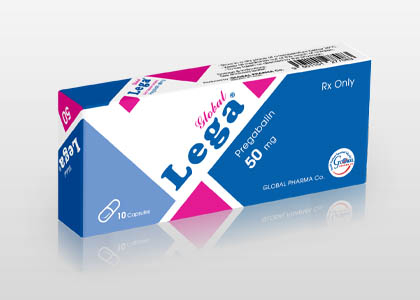
In the management of Idiopathic Brachial Plexopathy, a multidisciplinary approach is essential to address both the acute inflammatory phase and the subsequent neuropathic pain. Clinicians often utilize corticosteroids such as Depo-Medrol / ديبو-ميدرول 80 mg or Prednisone / بريدنيزون 5 mg to modulate the immune response, while managing chronic discomfort through targeted therapies like Gabantin / غابانتين 400mg and Lega / ليغا 50 mg. To ensure patients receive comprehensive care and evidence-based guidance, these pharmacological interventions are best supported by expert educational resources, including the [التهاب الضفيرة العضدية (متلازمة بارسوناج تورنر): دليل شامل للمرضى من الأستاذ الدكتور محمد هطيف](https://www.hutaifortho.com/ar/hub/msk-hutaif-%D8%A5%D8%B5%D8%A7%D8%A8%D8%A7%D8%AA-%D8%Aال%D8%A3%D9%88%D8%AA%D8%A7%D8%B1-%D8%AF%D9%84%D9%8A%D9%84%D9%83-%D8%A7%D9%84%D8%B4%D8%A7%D9%85%D9%84-%D9%84%D8%A7%D9%84%D8%AA%D9%87%D8%A7%D8%A8-%D8%A7%D9%84%D8%A3%D9%88%D8%AA%D8%A7%D8%B1-%D9%88%D8%AA%D9%86%D9%83%D8%B3%D9%87%D8%A7-%D9%88%D8%A7%D9%84%D8%