Clinical Assessment & Protocol
Typical Presentation (HPI)
EN: Patient presents for evaluation of [osteoporosis/osteomalacia]. Reports [history of fractures/bone pain/muscle weakness] starting [duration] ago. No current complaints of [acute pain/numbness]. AR: يراجع المريض لتقييم حالة [هشاشة العظام/لين العظام]. يشكو من [تاريخ كسور/آلام عظمية/ضعف عضلي] بدأ منذ [المدة]. لا توجد شكاوى حالية من [ألم حاد/تنميل].
General Examination
EN: Patient is alert and oriented x3. General appearance is [well-nourished/frail]. No signs of acute distress. Vital signs are stable. AR: المريض واعي ومدرك للزمان والمكان والأشخاص. المظهر العام [جيد التغذية/ضعيف البنية]. لا توجد علامات ضيق حاد. العلامات الحيوية مستقرة.
Treatment Protocol
EN: Initiated treatment with [medication name, e.g., Bisphosphonates/Vitamin D/Calcium]. Advised to maintain [daily dose] and ensure adequate intake of [calcium/vitamin D]. Follow-up DEXA scan in [number] months. AR: تم البدء بالعلاج بـ [اسم الدواء، مثل: بيسفوسفونات/فيتامين د/كالسيوم]. تم التوجيه بالالتزام بـ [الجرعة اليومية] وضمان تناول كميات كافية من [الكالسيوم/فيتامين د]. موعد متابعة فحص كثافة العظام (DEXA) بعد [عدد] أشهر.
Patient Education
EN: Discussed importance of fall prevention, weight-bearing exercises, and smoking cessation. Provided education on medication adherence and potential side effects. AR: تمت مناقشة أهمية الوقاية من السقوط، وممارسة تمارين تحمل الوزن، والإقلاع عن التدخين. تم تقديم التوعية اللازمة حول الالتزام بالدواء والآثار الجانبية المحتملة.
Orthopedic & Trauma Assessments
EN: Gait is [normal/antalgic/unsteady]. Patient [does/does not] require assistive devices for ambulation. AR: المشية [طبيعية/مؤلمة/غير متزنة]. المريض [يحتاج/لا يحتاج] إلى وسائل مساعدة للمشي.
EN: Range of motion is [full/restricted] in [spine/hips]. Pain elicited at [end range/mid range] of movement. AR: مدى الحركة [كامل/محدود] في [العمود الفقري/الوركين]. يظهر الألم عند [نهاية المدى/منتصف المدى] للحركة.
EN: Local examination of [affected bone area] shows no signs of inflammation, erythema, or localized warmth. AR: الفحص الموضعي لـ [منطقة العظم المصابة] لا يظهر أي علامات للالتهاب، أو احمرار، أو حرارة موضعية.
Osteoporosis and Osteomalacia: A Comprehensive Medical Guide
1. Comprehensive Introduction & Overview
Bone health is a critical determinant of an individual's quality of life, mobility, and independence. Two distinct yet sometimes conflated metabolic bone diseases, Osteoporosis and Osteomalacia, represent significant public health challenges globally. While both conditions compromise bone integrity and increase fracture risk, their underlying pathophysiological mechanisms, clinical presentations, and diagnostic hallmarks differ fundamentally.
Osteoporosis is a systemic skeletal disease characterized by low bone mass and microarchitectural deterioration of bone tissue, leading to increased bone fragility and a consequent increase in fracture risk. Often termed the "silent thief," it frequently progresses without symptoms until a fracture occurs. Its impact is profound, with osteoporotic fractures, particularly of the hip and spine, leading to chronic pain, disability, loss of independence, and increased mortality.
Osteomalacia, in contrast, is a disorder characterized by defective mineralization of newly formed bone matrix (osteoid) in adults. In children, the equivalent condition is known as Rickets. This failure of proper mineralization results in soft, weak bones that are prone to bending and fracture, often accompanied by diffuse bone pain and muscle weakness. Unlike osteoporosis, where the bone tissue is adequately mineralized but insufficient in quantity, osteomalacia involves a defect in the quality of bone tissue, specifically its hardening process.
Understanding the nuances between these two conditions is paramount for accurate diagnosis, appropriate management, and improved patient outcomes. This guide will delve into the intricate details of their clinical definitions, etiologies, pathophysiologies, diagnostic approaches, and long-term prognoses.
2. Deep-dive into Technical Specifications / Mechanisms
Etiology (Causes)
The causes of osteoporosis and osteomalacia are diverse and reflect their distinct pathologies.
Etiology of Osteoporosis
Osteoporosis can be broadly categorized into primary and secondary forms:
- Primary Osteoporosis:
- Postmenopausal Osteoporosis (Type 1): Primarily affects women after menopause due to rapid estrogen decline. Estrogen plays a crucial role in inhibiting bone resorption by osteoclasts and promoting osteoblast activity.
- Senile Osteoporosis (Type 2): Occurs in both men and women, typically after age 70, due to age-related decline in bone formation, reduced calcium absorption, and increased parathyroid hormone (PTH) levels.
- Secondary Osteoporosis: Results from specific medical conditions, medications, or lifestyle factors.
- Endocrine Disorders: Hyperthyroidism, hyperparathyroidism, Cushing's syndrome, hypogonadism (in men), diabetes mellitus.
- Gastrointestinal Disorders: Malabsorption syndromes (e.g., celiac disease, inflammatory bowel disease, bariatric surgery), chronic liver disease.
- Renal Disease: Chronic kidney disease can lead to renal osteodystrophy, a complex bone disorder including elements of osteoporosis.
- Medications:
- Glucocorticoids: Most common cause of secondary osteoporosis, inhibiting osteoblast activity and increasing osteoclast activity.
- Proton Pump Inhibitors (PPIs): Long-term use may impair calcium absorption.
- Anticonvulsants: Some can alter vitamin D metabolism.
- Heparin, Thiazolidinediones, SSRIs, Aromatase Inhibitors, GnRH Agonists.
- Lifestyle Factors: Sedentary lifestyle, excessive alcohol consumption, smoking, inadequate calcium and vitamin D intake.
- Other Conditions: Rheumatoid arthritis, multiple myeloma, organ transplantation.
Etiology of Osteomalacia
Osteomalacia primarily stems from conditions that impair the availability of calcium and/or phosphate for bone mineralization.
- Vitamin D Deficiency: The most common cause.
- Insufficient Sunlight Exposure: Lack of outdoor activity, heavy clothing, high latitude, dark skin pigmentation.
- Inadequate Dietary Intake: Diets poor in vitamin D.
- Malabsorption: Celiac disease, Crohn's disease, chronic pancreatitis, bariatric surgery, cystic fibrosis.
- Liver Disease: Impaired 25-hydroxylation of vitamin D.
- Kidney Disease: Impaired 1-alpha-hydroxylation of 25(OH)D to its active form, 1,25(OH)2D (calcitriol).
- Phosphate Deficiency:
- Renal Phosphate Wasting: X-linked hypophosphatemia (genetic), Fanconi syndrome, tumor-induced osteomalacia (TIO) due to FGF23 overexpression.
- Antacid Abuse: Aluminum-containing antacids can bind phosphate in the gut.
- Disorders of Vitamin D Metabolism: Genetic defects in vitamin D receptors or enzymes.
- Medications:
- Anticonvulsants (e.g., phenytoin, phenobarbital): Can accelerate vitamin D metabolism.
- Bisphosphonates: Very rarely, long-term high-dose use can cause hypophosphatemia and osteomalacia.
- Fluoride: High doses can impair mineralization.
Pathophysiology (Mechanisms)
The underlying mechanisms that drive osteoporosis and osteomalacia are distinct and involve different aspects of bone metabolism.
Pathophysiology of Osteoporosis
Bone is a dynamic tissue constantly undergoing a process called remodeling, where old bone is resorbed by osteoclasts and new bone is formed by osteoblasts. In healthy adults, these processes are balanced, maintaining bone mass and strength.
- Imbalance in Bone Remodeling: The hallmark of osteoporosis is an imbalance in this remodeling cycle, where bone resorption outpaces bone formation.
- Increased Osteoclast Activity: Estrogen deficiency (in postmenopausal osteoporosis) leads to increased production of pro-resorptive cytokines (e.g., IL-6, TNF-alpha) and decreased production of anti-resorptive factors (e.g., OPG), resulting in an increase in the number and activity of osteoclasts.
- Decreased Osteoblast Activity: With aging (senile osteoporosis), there is a reduction in the number and activity of osteoblasts, leading to less efficient bone formation. This also involves changes in growth factors and signaling pathways.
- Microarchitectural Deterioration: The imbalance leads to:
- Thinning of cortical bone.
- Loss of trabecular bone connectivity and perforations of trabeculae.
- Enlargement of marrow spaces.
- These changes compromise the structural integrity of the bone, making it brittle and susceptible to fracture even with minimal trauma.
Pathophysiology of Osteomalacia
Osteomalacia results from a failure of the normal mineralization process of the osteoid matrix.
- Role of Vitamin D: Active vitamin D (1,25-dihydroxyvitamin D or calcitriol) is crucial for:
- Calcium and Phosphate Absorption: Facilitates the absorption of calcium and phosphate from the intestine.
- Bone Mineralization: Directly and indirectly promotes the deposition of calcium phosphate crystals (hydroxyapatite) onto the osteoid matrix.
- Impaired Mineralization:
- Vitamin D Deficiency: Leads to insufficient levels of calcium and phosphate in the extracellular fluid. Without adequate calcium and phosphate, the osteoid laid down by osteoblasts cannot be properly mineralized.
- Hypophosphatemia: Even with normal calcium, severe phosphate deficiency directly impairs hydroxyapatite crystal formation.
- Unmineralized Osteoid: The result is an accumulation of unmineralized osteoid seams, which are wider and more prominent than normal. This soft, unmineralized bone cannot withstand normal mechanical stresses, leading to pain, deformities, and fractures.
- Secondary Hyperparathyroidism: In response to low serum calcium (often due to vitamin D deficiency), the parathyroid glands increase PTH secretion. PTH attempts to raise serum calcium by:
- Increasing renal calcium reabsorption.
- Increasing phosphate excretion (which can worsen osteomalacia if phosphate is already low).
- Mobilizing calcium from bone (increasing bone resorption), which can further weaken the skeleton, especially in the context of osteoporosis co-existence.
3. Extensive Clinical Indications & Usage
Standard Presentation
The clinical presentations of osteoporosis and osteomalacia can overlap, but key distinctions exist.
Standard Presentation of Osteoporosis
Often asymptomatic until a fracture occurs, earning it the moniker "silent disease."
- Fractures: The most common and significant manifestation.
- Vertebral Compression Fractures: Can cause acute or chronic back pain, loss of height, and progressive kyphosis (dowager's hump). Multiple fractures can lead to significant spinal deformity and restrictive lung disease.
- Hip Fractures: Extremely debilitating, often requiring surgery, leading to significant morbidity, loss of independence, and increased mortality.
- Wrist Fractures (Colles' fracture): Often an early warning sign, occurring from a fall on an outstretched hand.
- Other Fractures: Pelvis, humerus, ribs.
- Pain: Acute pain associated with fractures; chronic pain from vertebral compression fractures or mechanical stress on weakened bones.
- Loss of Height and Postural Changes: Gradual loss of height over time due to vertebral collapse, leading to a stooped posture.
Standard Presentation of Osteomalacia
Characterized by diffuse bone pain and muscle weakness.
- Bone Pain: Widespread, aching, dull pain, often worse with weight-bearing and at night. Commonly affects the spine, pelvis, hips, and ribs. Pain can be severe and debilitating.
- Muscle Weakness: Proximal muscle weakness (pelvic girdle and shoulder girdle), leading to a waddling gait, difficulty climbing stairs, or getting up from a chair.
- Fractures: Insufficiency fractures or pathological fractures, often in the ribs, pelvis, or long bones, occurring with minimal trauma.
- Skeletal Deformities: More common in severe or prolonged cases, especially in children (Rickets, e.g., bowed legs, enlarged epiphyses). In adults, pelvic deformities, kyphoscoliosis, or bowing of long bones can occur.
- Bone Tenderness: Tenderness to palpation over affected bones.
Clinical Staging/Grading (Primarily for Osteoporosis)
The most widely accepted classification for osteoporosis is based on Bone Mineral Density (BMD) measurements using Dual-energy X-ray Absorptiometry (DXA), as defined by the World Health Organization (WHO).
| WHO Classification | T-score (compared to young adult peak bone mass) | Interpretation |
|---|---|---|
| Normal | T-score ≥ -1.0 | Bone density is within 1 standard deviation of a healthy young adult mean. |
| Osteopenia | T-score between -1.0 and -2.5 | Bone density is lower than normal but not yet osteoporotic. Increased fracture risk. |
| Osteoporosis | T-score ≤ -2.5 | Bone density is significantly low, indicating high fracture risk. |
| Severe Osteoporosis | T-score ≤ -2.5 with one or more fragility fractures | Bone density is very low, and the patient has already experienced an osteoporotic fracture. |
FRAX® Tool: The Fracture Risk Assessment Tool (FRAX) is a computer-based algorithm that estimates the 10-year probability of hip fracture and major osteoporotic fracture (clinical spine, forearm, hip, or shoulder fracture) based on clinical risk factors (age, sex, weight, height, previous fracture, parental hip fracture, current smoking, glucocorticoid use, rheumatoid arthritis, secondary osteoporosis, alcohol intake) and femoral neck BMD. This helps guide treatment decisions, especially for patients with osteopenia.
Differential Diagnosis
Distinguishing osteoporosis and osteomalacia from each other and from other conditions with similar symptoms is crucial.
Distinguishing Osteoporosis vs. Osteomalacia
| Feature | Osteoporosis | Osteomalacia |
|---|---|---|
| Pathology | Reduced bone quantity (porous, brittle bone) | Defective bone mineralization (soft, unmineralized bone) |
| Primary Defect | Imbalance in bone remodeling (resorption > formation) | Insufficient calcium/phosphate for mineralization |
| Bone Pain | Often localized (fracture), chronic back pain | Diffuse, generalized, aching, worse with weight-bearing |
| Muscle Weakness | Less common (unless severe disability) | Common (proximal myopathy) |
| Radiographs | Normal until fracture, cortical thinning | Pseudofractures (Looser's zones), coarse trabeculae, bowing |
| Key Labs | Normal Ca, P, ALP; low Vit D common | Low Vit D, Low P, High ALP, Low/Normal Ca, High PTH |
| Bone Biopsy | Thin trabeculae, normal mineralization | Wide, unmineralized osteoid seams |
Other Conditions in Differential Diagnosis
- Metastatic Bone Disease: Cancers (breast, prostate, lung, kidney, thyroid) can spread to bone, causing pain, fractures, and lytic/blastic lesions visible on imaging.
- Multiple Myeloma: A plasma cell malignancy that causes widespread lytic bone lesions, pain, and pathological fractures.
- Paget's Disease of Bone: Localized disorder of increased bone turnover, leading to disorganized, enlarged, and weakened bone. Characterized by elevated alkaline phosphatase and distinctive radiographic features.
- Hyperparathyroidism: Can cause bone loss (osteitis fibrosa cystica in severe cases), hypercalcemia, and hypophosphatemia.
- Fibromyalgia: Chronic widespread pain, but without objective bone or muscle abnormalities.
- Arthritis (Osteoarthritis, Rheumatoid Arthritis): Joint pain and stiffness, but not typically diffuse bone pain or pathological fractures.
- Nutritional Deficiencies: Other than Vitamin D (e.g., scurvy, copper deficiency), can rarely affect bone.
Key Diagnostic Tests
Accurate diagnosis relies on a combination of clinical evaluation, imaging, and laboratory tests.
Key Diagnostic Tests for Osteoporosis
- Dual-energy X-ray Absorptiometry (DXA):
- Gold Standard: Measures BMD at the lumbar spine, femoral neck, and total hip.
- T-score: Compares BMD to that of a healthy young adult (used for postmenopausal women and men ≥50 years).
- Z-score: Compares BMD to an age-matched, sex-matched, and ethnicity-matched reference population (used for premenopausal women, men <50 years, and children). A Z-score of -2.0 or lower is considered "below the expected range for age."
- Laboratory Tests (to rule out secondary causes and assess overall bone health):
- Serum Calcium, Phosphate, Albumin: To assess mineral balance.
- 25-hydroxyvitamin D [25(OH)D]: To assess vitamin D status.
- Parathyroid Hormone (PTH): To evaluate parathyroid function.
- Thyroid Stimulating Hormone (TSH): To rule out hyperthyroidism.
- Creatinine and eGFR: To assess renal function.
- Liver Function Tests: To rule out chronic liver disease.
- Complete Blood Count (CBC) and Erythrocyte Sedimentation Rate (ESR): To screen for anemia, inflammation, or malignancy.
- Serum Protein Electrophoresis (SPEP) and Urine Protein Electrophoresis (UPEP): To screen for multiple myeloma if indicated.
- Bone Turnover Markers (BTMs):
- Bone Resorption Markers: C-terminal telopeptide of type I collagen (CTX), N-terminal telopeptide of type I collagen (NTX).
- Bone Formation Markers: Procollagen type 1 N-terminal propeptide (P1NP), Bone-specific alkaline phosphatase (BSAP).
- Used primarily to monitor treatment response rather than for diagnosis.
- Radiographs (X-rays):
- Not diagnostic for osteoporosis until significant bone loss (30-40%) or fracture has occurred.
- Used to identify existing fractures (e.g., vertebral compression fractures).
- Can show signs of osteopenia (thinning cortices, reduced trabecular bone).
Key Diagnostic Tests for Osteomalacia
- Laboratory Tests:
- 25-hydroxyvitamin D [25(OH)D]: Crucial test, typically very low. Levels <20 ng/mL indicate deficiency.
- Serum Calcium: Often low or normal-low.
- Serum Phosphate: Often low (hypophosphatemia).
- Alkaline Phosphatase (ALP): Typically elevated, reflecting increased osteoblast activity in an attempt to mineralize osteoid.
- Parathyroid Hormone (PTH): Typically elevated (secondary hyperparathyroidism) in response to low calcium and vitamin D deficiency.
- 1,25-dihydroxyvitamin D [1,25(OH)2D]: Can be low, normal, or even high (e.g., in some forms of renal phosphate wasting). Less reliable than 25(OH)D for initial diagnosis.
- Creatinine and eGFR: To assess renal function.
- Urinary Calcium and Phosphate Excretion: May be assessed to identify renal phosphate wasting.
- FGF23 (Fibroblast Growth Factor 23): May be measured in suspected cases of renal phosphate wasting or tumor-induced osteomalacia.
- Radiographs (X-rays):
- Can show characteristic features:
- Looser's Zones (Pseudofractures): Bilateral, symmetrical radiolucent bands perpendicular to the bone surface, often seen in the pelvis, femoral neck, ribs, and scapulae. Pathognomonic for osteomalacia.
- Cortical thinning and blurring.
- Coarse trabecular pattern.
- Bowing of long bones (especially in severe cases).
- Vertebral collapse.
- Can show characteristic features:
- Bone Biopsy (with double tetracycline labeling):
- Gold Standard: Rarely performed due to invasiveness, but provides definitive diagnosis.
- Shows increased width of unmineralized osteoid seams, increased osteoid volume, and decreased mineralization front.
4. Risks, Side Effects, or Contraindications
While this section typically addresses risks of a medical device or treatment, for a diagnostic guide on "Osteoporosis/Osteomalacia," it's more pertinent to discuss the risks associated with undiagnosed or untreated disease and the minimal risks of the diagnostic procedures themselves.
Risks of Undiagnosed/Untreated Osteoporosis
The primary and most devastating risk of osteoporosis is fragility fractures.
- Increased Morbidity and Mortality:
- Hip Fractures: Have a 20-30% mortality rate within one year post-fracture, and many survivors experience significant disability, loss of independence, and require long-term care.
- Vertebral Fractures: Can lead to chronic back pain, height loss, kyphosis, gastrointestinal issues (due to abdominal compression), and reduced pulmonary function.
- Reduced Quality of Life: Chronic pain, loss of mobility, fear of falling, and social isolation are common.
- Loss of Independence: Many individuals require assistance with daily activities or move to assisted living facilities.
- Economic Burden: Significant healthcare costs associated with fracture treatment, rehabilitation, and long-term care.
- Increased Risk of Subsequent Fractures: A fragility fracture significantly increases the risk of future fractures.
Risks of Undiagnosed/Untreated Osteomalacia
- Severe Bone Pain and Muscle Weakness: Progressively debilitating, severely impacting mobility and daily activities.
- Pathological Fractures: Increased risk of fractures from minimal trauma, contributing to pain and disability.
- Skeletal Deformities: Can develop or worsen over time, particularly in severe or prolonged cases, affecting posture and mobility.
- Impaired Growth and Development (in children with Rickets): Can lead to permanent skeletal deformities and growth retardation.
- Functional Limitations: Severe weakness and pain can lead to bedridden states, increasing risks of pressure ulcers, pneumonia, and venous thromboembolism.
Risks Associated with Diagnostic Procedures
The diagnostic procedures for osteoporosis and osteomalacia are generally safe with minimal risks.
- DXA Scan: Involves very low-dose radiation, comparable to natural background radiation exposure for a few days. The benefits of early diagnosis far outweigh this minimal risk. It is generally contraindicated during pregnancy.
- Blood Tests: Involve a standard venipuncture, with minor risks such as temporary pain, bruising, or very rarely, infection or fainting.
- Radiographs: Involve low-dose radiation, and the risk is generally considered acceptable given the diagnostic information obtained. Pregnancy is a relative contraindication.
- Bone Biopsy: This is an invasive procedure, typically performed under local anesthesia. Risks include pain at the biopsy site, bleeding, infection, and nerve damage (rare). Due to its invasiveness, it is usually reserved for complex or atypical cases where less invasive tests are inconclusive.
5. Massive FAQ Section
Frequently Asked Questions about Osteoporosis and Osteomalacia
1. What is the main difference between osteoporosis and osteomalacia?
Osteoporosis is a condition of reduced bone quantity (low bone mass and density), making bones brittle and prone to fracture. The bone that is present is normally mineralized. Osteomalacia, on the other hand, is a defect in bone quality, specifically the failure of new bone matrix (osteoid) to properly mineralize, resulting in soft, weak bones.
2. Who is at risk for osteoporosis?
Key risk factors include:
* Age: Risk increases with age, especially over 50.
* Sex: Women, particularly postmenopausal women, are at higher risk due to estrogen decline.
* Family History: A parent with a hip fracture significantly increases risk.
* Ethnicity: Caucasians and Asians are at higher risk.
* Lifestyle: Smoking, excessive alcohol, sedentary lifestyle, low calcium/vitamin D intake.
* Medical Conditions: Certain endocrine disorders, gastrointestinal diseases, chronic kidney disease, rheumatoid arthritis.
* Medications: Long-term corticosteroid use, some anticonvulsants, proton pump inhibitors.
3. Who is at risk for osteomalacia?
Risk factors for osteomalacia primarily revolve around vitamin D and phosphate deficiencies:
* Insufficient Sun Exposure: Limited outdoor activity, living in high latitudes, wearing extensive clothing, dark skin.
* Malabsorption Issues: Celiac disease, Crohn's disease, bariatric surgery, cystic fibrosis.
* Kidney or Liver Disease: Impairs vitamin D metabolism.
* Strict Vegetarian/Vegan Diets: Without adequate vitamin D supplementation.
* Certain Medications: Some anticonvulsants.
* Rare Genetic Disorders: Affecting vitamin D metabolism or phosphate handling.
4. How is osteoporosis diagnosed?
The gold standard for diagnosing osteoporosis is a Dual-energy X-ray Absorptiometry (DXA) scan, which measures Bone Mineral Density (BMD) at the hip and spine. The results are expressed as a T-score. A T-score of -2.5 or lower indicates osteoporosis. Blood tests are also used to rule out secondary causes and assess overall bone health.
5. How is osteomalacia diagnosed?
Diagnosis typically involves a combination of:
* Blood Tests: Crucially, very low levels of 25-hydroxyvitamin D, often accompanied by low serum phosphate, low or normal-low calcium, and elevated alkaline phosphatase (ALP) and parathyroid hormone (PTH).
* X-rays: May show characteristic features like Looser's zones (pseudofractures), cortical thinning, or bone bowing.
* Bone Biopsy: While invasive, it is the definitive diagnostic test, showing wide unmineralized osteoid seams. However, it is rarely needed for typical cases.
6. Can children get these conditions?
Children do not get osteoporosis in the same way adults do, but they can experience low bone mass (often termed pediatric osteopenia or secondary osteoporosis) due to underlying genetic conditions, chronic illnesses, or prolonged medication use. The equivalent of osteomalacia in children is Rickets, which presents with skeletal deformities, growth retardation, and bone pain due to defective mineralization of growing bone.
7. Is bone pain a common symptom of osteoporosis?
Not usually in the early stages. Osteoporosis is often called a "silent disease" because it typically doesn't cause symptoms until a fracture occurs. When a fracture happens, it can cause acute, severe pain. Chronic back pain can also result from multiple vertebral compression fractures. In contrast, diffuse bone pain is a hallmark symptom of osteomalacia.
8. What are a T-score and a Z-score?
- T-score: Used for postmenopausal women and men aged 50 and older. It compares your bone density to that of a healthy young adult of the same sex.
- Z-score: Used for premenopausal women, men under 50, and children. It compares your bone density to that of an average person of your own age, sex, and ethnic group. A low Z-score suggests that an underlying condition might be causing bone loss.
9. Can diet and lifestyle prevent these conditions?
Yes, to a significant extent.
* For Osteoporosis: Adequate calcium and vitamin D intake, regular weight-bearing and muscle-strengthening exercise, avoiding smoking and excessive alcohol, and maintaining a healthy body weight are crucial for building and maintaining bone mass.
* For Osteomalacia: Ensuring sufficient vitamin D intake through sun exposure, diet, or supplements, and adequate dietary phosphate are key preventative measures.
10. What are Looser's zones?
Looser's zones, also known as pseudofractures, are distinctive radiographic findings characteristic of osteomalacia. They appear as bilateral, symmetrical, unmineralized, radiolucent bands or lines that extend from the cortical surface into the bone, often seen in the pelvis, femoral neck, ribs, and scapulae. They represent areas of unmineralized osteoid that have failed to harden.
11. Are there any early warning signs I should look out for?
For osteoporosis, early signs are rare. A fragility fracture (a fracture from a fall from standing height or less) in an adult, particularly of the wrist, hip, or spine, is often the first indication. For osteomalacia, persistent, diffuse bone pain, especially in the spine, pelvis, and legs, and unexplained muscle weakness (difficulty climbing stairs or rising from a chair) can be early warning signs.
12. How often should I get screened for osteoporosis?
Guidelines vary, but generally:
* Women aged 65 and older.
* Men aged 70 and older.
* Postmenopausal women and men aged 50-69 with risk factors for osteoporosis.
* Individuals who have had a fragility fracture.
* Individuals with medical conditions or on medications known to cause bone loss.
The frequency of follow-up DXA scans depends on the initial results and treatment plan, typically every 1-2 years.
Related Clinical Integration
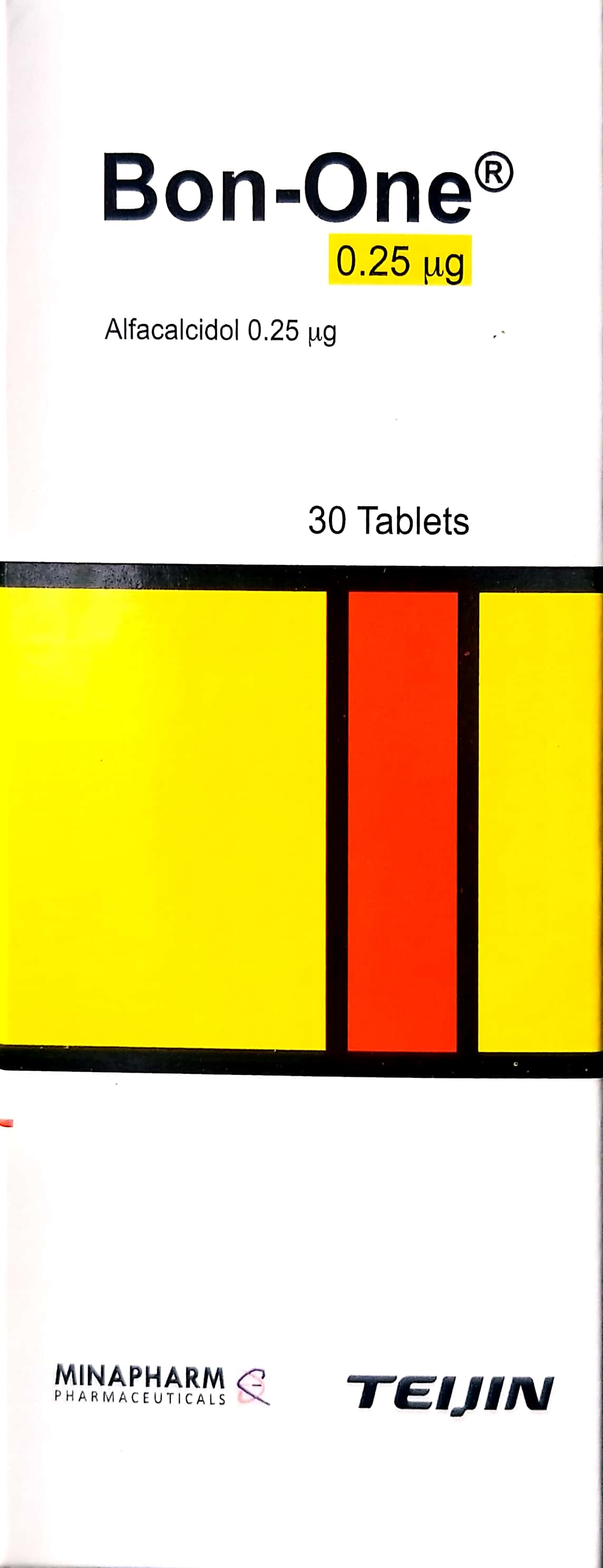
In a modern clinical setting, the management of osteoporosis and osteomalacia requires a multidisciplinary approach that integrates diagnostic precision with targeted pharmacological intervention. When clinical presentation or atypical bone density findings necessitate a definitive histological assessment, clinicians may utilize a Bone Biopsy (Percutaneous) / خزعة العظم (عبر الجلد) (فحص بالمنظار أو أخذ عينات), performed with a specialized Bone Biopsy Needle Kit (e.g., Jamshidi, Trephine, Coaxial system) / مجموعة إبرة خزعة العظم (مثل: جامشيدي، تريفين، نظام محوري) to differentiate between metabolic bone disorders. Once a diagnosis is established, therapeutic strategies often involve the administration of antiresorptive agents such as Alendronate / ألندرونات 70 mg or vitamin D analogs like Bon-one / بون-ون 0.25mcg to optimize bone mineral density and structural integrity. For comprehensive patient education and a deeper understanding of these evidence-based protocols, practitioners and patients are encouraged to review the [تشخيص هشاشة العظام: دليل شامل للوقاية والعلاج مع الأستاذ الدكتور محمد هطيف](https://www.hutaifortho.com/ar/hub/%D8%AF%D9%84%D9%8A%D9%84%D9%83-%D8%A7%D9%84%D8%B4%D8%A7%D9%85%D9%84-%D9%84%D8%B5%D8%AD%D8%A9-%D8%A7%D9%84%D8%B9%D8%B8%D8%A7%D9%85-%D9%88%D8%A7%D9%84%D9%85%D9%81%D8%A5%D8%B5%D9%84-%D9%81%D9%87%D9%85-%D