Clinical Assessment & Protocol
Typical Presentation (HPI)
EN: Patient with persistent dry eyes and dry mouth. AR: مريض يعاني من جفاف مستمر في العين والفم.
General Examination
EN: Decreased Schirmer test result; parotid swelling. AR: انخفاض نتيجة اختبار شيرمر؛ تورم الغدة النكفية.
Treatment Protocol
EN: Artificial tears and pilocarpine. AR: الدموع الاصطناعية وبيلوكاربين.
Patient Education
EN: Regular dental checkups due to caries risk. AR: فحوصات الأسنان المنتظمة بسبب خطر التسوس.
Systemic & Specialized Examinations
EN: S1, S2 present. No murmurs. AR: صوتا القلب الأول والثاني طبيعيان. لا توجد نفخات.
EN: Lungs clear to auscultation. AR: الرئتان صافيتان عند التسمع.
EN: Abdomen soft, non-tender. AR: البطن لين ولا يوجد ألم.
EN: Alert, oriented x3. No focal deficits. AR: المريض واعي ومدرك. لا يوجد عجز عصبي بؤري.
EN: Unremarkable or not routinely indicated. AR: طبيعي أو غير مطلوب روتينياً.
EN: Unremarkable or not routinely indicated. AR: طبيعي أو غير مطلوب روتينياً.
EN: Unremarkable or not routinely indicated. AR: طبيعي أو غير مطلوب روتينياً.
EN: Unremarkable or not routinely indicated. AR: طبيعي أو غير مطلوب روتينياً.
EN: Unremarkable or not routinely indicated. AR: طبيعي أو غير مطلوب روتينياً.
1. Comprehensive Introduction & Overview
Primary Sjögren’s Syndrome (pSS) is a chronic, systemic, autoimmune inflammatory disorder characterized primarily by lymphocytic infiltration of the exocrine glands, most notably the lacrimal and salivary glands. Unlike secondary Sjögren’s, which occurs in the context of another established connective tissue disease (such as Rheumatoid Arthritis or Systemic Lupus Erythematosus), Primary Sjögren’s Syndrome exists as an isolated clinical entity.
The hallmark clinical presentation involves keratoconjunctivitis sicca (dry eyes) and xerostomia (dry mouth). However, pSS is far more than a localized glandular disease. It is a multisystemic condition that can affect the lungs, kidneys, nervous system, and vascular beds, and it carries a significantly elevated risk—approximately 5% to 10%—of developing B-cell non-Hodgkin lymphoma.
Epidemiologically, pSS predominantly affects middle-aged women, with a female-to-male ratio of approximately 9:1. The prevalence is estimated between 0.1% and 4% of the general population, depending on the diagnostic criteria applied and the geographic region.
2. Deep-Dive: Etiology and Pathophysiology
The pathogenesis of pSS is multifactorial, involving a complex interplay between genetic predisposition, environmental triggers, and epigenetic modifications that lead to a breakdown in self-tolerance.
The Mechanism of Glandular Destruction
- Innate Immune Activation: The process begins with the activation of innate immune cells (dendritic cells, epithelial cells) in the salivary and lacrimal glands. These cells produce Type I Interferons (IFN-α), which create an "interferon signature" that is detectable in the peripheral blood of most pSS patients.
- Adaptive Immune Recruitment: The chronic production of IFN-α promotes the recruitment of T-cells and B-cells into the glandular tissue. These cells form organized lymphoid aggregates known as "ectopic germinal centers."
- Epithelial Damage: The infiltrating T-cells (primarily CD4+ Th1 and Th17 cells) secrete pro-inflammatory cytokines such as IL-17, IFN-γ, and TNF-α. This environment induces apoptosis of the glandular epithelial cells.
- Autoantibody Production: B-cell hyperactivity leads to the production of classic autoantibodies, specifically Anti-Ro (SSA) and Anti-La (SSB), which are central to the diagnostic criteria.
Genetic and Environmental Factors
- HLA Associations: Strong associations with HLA-DR3, HLA-DQ2, and HLA-DRw52.
- Epigenetic Triggers: Viral infections (e.g., Epstein-Barr virus, Coxsackie virus) are hypothesized to act as molecular mimics, triggering the initial immune response in genetically susceptible individuals.
3. Clinical Indications, Staging, and Presentation
Standard Clinical Presentation
Patients typically present with a constellation of glandular and extra-glandular symptoms.
| Feature | Clinical Manifestation |
|---|---|
| Ocular | Gritty sensation, burning, redness, photosensitivity, blurred vision. |
| Oral | Difficulty swallowing dry food, altered taste, dental caries, tongue fissuring. |
| Systemic | Fatigue, arthralgia, myalgia, low-grade fever. |
| Extra-glandular | Raynaud’s phenomenon, purpura (vasculitis), interstitial lung disease (ILD). |
Clinical Staging/Classification (EULAR/ACR Criteria)
The 2016 ACR/EULAR classification criteria utilize a weighted scoring system (total score ≥ 4 is required for diagnosis):
| Item | Weight |
|---|---|
| Labial salivary gland biopsy (focal lymphocytic sialadenitis) | 3 |
| Anti-SSA (Ro) positive | 3 |
| Ocular Staining Score (OSS) ≥ 5 | 1 |
| Schirmer’s test ≤ 5 mm/5 min | 1 |
| Unstimulated whole salivary flow rate ≤ 0.1 mL/min | 1 |
4. Differential Diagnosis
Distinguishing pSS from other systemic diseases is critical due to the overlap in symptom profiles.
- Sjögren’s-like syndromes: Sarcoidosis, IgG4-related disease, and Amyloidosis can cause glandular swelling and sicca symptoms.
- Medication-induced Xerostomia: Antihypertensives, antidepressants, and diuretics are common culprits of drug-induced dry mouth.
- Viral Infections: Hepatitis C and HIV can mimic the glandular inflammatory patterns of pSS.
- Fibromyalgia: Often co-exists with pSS and must be differentiated regarding the source of chronic pain and fatigue.
- Systemic Lupus Erythematosus (SLE): Shares the Anti-SSA/SSB profile; requires careful clinical evaluation to determine if sicca is primary or secondary.
5. Diagnostic Testing Protocols
A systematic diagnostic approach is essential to confirm pSS:
- Serological Testing: Anti-SSA (Ro) and Anti-SSB (La). Note that Anti-SSA is more specific and sensitive than Anti-SSB.
- Ocular Assessment:
- Schirmer’s Test: Measures tear production.
- Ocular Surface Staining (OSS): Uses fluorescein or lissamine green to assess corneal epithelial damage.
- Salivary Assessment:
- Unstimulated Whole Salivary Flow (UWSF): Objective measurement of xerostomia.
- Salivary Scintigraphy: Evaluates glandular function.
- Histopathology: Labial salivary gland biopsy (LSG) is the gold standard. A focus score of ≥ 1 (defined as ≥ 50 mononuclear cells per 4 mm² of glandular tissue) is diagnostic.
6. Risks, Side Effects, and Long-Term Management
Complications
- Lymphoma: The chronic B-cell stimulation increases the risk of MALT (Mucosa-Associated Lymphoid Tissue) lymphoma. Persistent parotid gland enlargement is a clinical red flag.
- Renal Involvement: Distal Renal Tubular Acidosis (dRTA) and interstitial nephritis.
- Neurological: Small fiber neuropathy is frequent, leading to sensory deficits and neuropathic pain.
Therapeutic Strategies
Current management is largely symptomatic, focusing on preserving function and preventing damage.
| Goal | Intervention |
|---|---|
| Ocular Relief | Preservative-free artificial tears, cyclosporine drops, punctal plugs. |
| Oral Relief | Saliva substitutes, cholinergic agonists (Pilocarpine, Cevimeline). |
| Systemic Control | Hydroxychloroquine (for arthralgia), immunosuppressants (Methotrexate/Rituximab) for systemic manifestations. |
7. Extensive FAQ Section
1. Is Primary Sjögren’s Syndrome hereditary?
While there is a genetic predisposition linked to certain HLA types, it is not strictly an inherited disease. It involves a complex interplay of genetics and environmental factors.
2. Can Primary Sjögren’s be cured?
Currently, there is no cure. Treatment focuses on managing symptoms, preventing complications, and reducing systemic inflammation.
3. Why is the risk of lymphoma higher in these patients?
Chronic immune activation in the salivary glands leads to persistent B-cell proliferation. Over time, these B-cells can undergo malignant transformation into lymphoma.
4. What is the difference between dry mouth from medication and Sjögren’s?
Medication-induced xerostomia usually improves upon cessation of the drug. Sjögren’s-related xerostomia is persistent and often accompanied by positive autoantibodies or biopsy evidence.
5. Are there specific foods to avoid?
Patients with severe xerostomia should avoid dry, spicy, or acidic foods that can irritate the oral mucosa and exacerbate dental decay.
6. How often should I see an ophthalmologist?
Patients diagnosed with pSS should undergo annual eye exams to monitor for corneal damage and to ensure the effectiveness of lubricating therapies.
7. Does everyone with Sjögren’s get dry eyes and dry mouth?
No. Some patients may have systemic manifestations (like severe fatigue or vasculitis) without significant sicca symptoms, which can make the diagnosis more challenging.
8. What is the significance of the Anti-SSA (Ro) antibody?
Anti-SSA is a highly specific marker for pSS. Its presence is also associated with a higher risk of systemic involvement and, in pregnant women, a risk of neonatal lupus in the newborn.
9. Can I take over-the-counter medications for dry mouth?
Yes, but consult your physician. Some OTC mouthwashes contain alcohol, which can further dry out the oral cavity. Look for alcohol-free, pH-balanced products.
10. How does the labial biopsy procedure work?
It is a minor surgical procedure performed under local anesthesia. A small incision is made on the inner lower lip to remove 4–6 minor salivary glands, which are then examined by a pathologist for lymphocytic infiltration.
8. Conclusion and Clinical Prognosis
The prognosis for patients with Primary Sjögren’s Syndrome is generally favorable regarding life expectancy, provided that patients are monitored for systemic complications. The most significant mortality risk stems from the development of B-cell lymphoma. Therefore, patient education regarding "red flags"—such as persistent glandular swelling, sudden weight loss, or night sweats—is paramount.
Ongoing research into B-cell depletion therapies (such as Rituximab and Belimumab) and JAK inhibitors offers promise for modifying the disease course. For the clinician, the mandate is clear: early recognition, thorough systemic screening, and a multidisciplinary approach involving rheumatology, ophthalmology, and dentistry are the cornerstones of effective patient care.
Disclaimer: This guide is intended for informational and educational purposes for healthcare professionals. It does not replace professional clinical judgment or established institutional diagnostic protocols. Always verify patient-specific data against current international guidelines (ACR/EULAR).
Related Clinical Integration
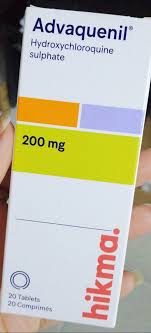
In the comprehensive management of Primary Sjögren's Syndrome, clinical strategy focuses on both systemic immunomodulation and the targeted mitigation of sicca symptoms. Pharmacological intervention often necessitates the use of Advaquenil 200mg 200mg to address underlying inflammatory activity, while Cyclosporine / سيكلوسبورين 100mg is frequently utilized to manage severe ocular surface inflammation and improve tear production. Furthermore, because patients with autoimmune connective tissue disorders are at an increased risk for secondary musculoskeletal complications and metabolic bone changes, clinicians should consult the Master ABOS Orthopedic Review: Metabolic Bone, Peds, Ehlers-Danlos, Psoriatic Arthritis | Part 27 to better understand the broader differential diagnoses and long-term skeletal health implications associated with chronic inflammatory conditions.