Clinical Assessment & Protocol
Typical Presentation (HPI)
EN: Patient presents with persistent radial-sided wrist pain following a remote scaphoid fracture. Reports localized tenderness in the anatomical snuffbox, decreased grip strength, and limited range of motion. No history of recent acute trauma; symptoms are chronic and progressive. AR: يراجع المريض بشكوى ألم مستمر في الجانب الكعبري من الرسغ بعد كسر قديم في العظم الزورقي. يشكو المريض من إيلام موضعي في "عش النشوق" (anatomical snuffbox)، وضعف في قوة القبضة، ومحدودية في نطاق حركة المفصل. لا توجد قصة إصابة حادة حديثة؛ الأعراض مزمنة ومتفاقمة.
General Examination
EN: Inspection reveals mild swelling and atrophy of the thenar eminence. Palpation demonstrates point tenderness over the scaphoid tubercle and within the anatomical snuffbox. Range of motion is restricted in flexion/extension and radial deviation. Pain elicited with axial loading of the thumb. Neurovascular status intact distally. AR: الفحص السريري يظهر تورمًا خفيفًا وضمورًا في بروز العضلة الراحية (thenar eminence). يظهر الجس إيلامًا موضعيًا فوق حديبة العظم الزورقي وداخل "عش النشوق". نطاق الحركة مقيد في الثني والبسط والانحراف الكعبري. يظهر الألم عند التحميل المحوري للإبهام. الحالة العصبية الوعائية سليمة في الأطراف البعيدة.
Treatment Protocol
EN: Plan includes advanced imaging (CT scan) to assess nonunion gap and sclerosis. Discussion regarding surgical intervention, including open reduction internal fixation (ORIF) with bone grafting (e.g., vascularized or non-vascularized graft) to promote union. Immobilization in a thumb spica splint pending surgical scheduling. AR: تتضمن الخطة إجراء تصوير متقدم (أشعة مقطعية) لتقييم فجوة عدم الالتئام والتصلب العظمي. مناقشة التدخل الجراحي، بما في ذلك الرد المفتوح والتثبيت الداخلي (ORIF) مع تطعيم عظمي (طعم وعائي أو غير وعائي) لتحفيز الالتئام. التثبيت بجبيرة الإبهام (thumb spica) بانتظار تحديد موعد الجراحة.
Patient Education
EN: Scaphoid nonunion occurs when the fracture fails to heal, often due to poor blood supply. Continued use of the wrist may lead to progressive arthritis (SNAC wrist). Strict adherence to immobilization and surgical recommendations is essential to restore function and prevent long-term joint degeneration. AR: يحدث عدم التئام العظم الزورقي عندما يفشل الكسر في الالتئام، غالبًا بسبب ضعف التروية الدموية. الاستمرار في استخدام الرسغ قد يؤدي إلى التهاب مفاصل تدريجي (SNAC wrist). الالتزام الصارم بالتثبيت والتوصيات الجراحية ضروري لاستعادة الوظيفة ومنع تدهور المفصل على المدى الطويل.
Systemic & Specialized Examinations
EN: Crucial evaluation: Median, Ulnar, and Radial nerves INTACT to light touch and 2-point discrimination. AIN/PIN/Radial motor functions normal. AR: تقييم حاسم: العصب الأوسط، الزندي، والكعبري سليمة. الوظائف الحركية للأعصاب سليمة.
Orthopedic & Trauma Assessments
EN: FOOSH injury or high-impact direct trauma. AR: إصابة السقوط على يد ممدودة أو صدمة مباشرة عالية التأثير.
EN: Normal. Ambulatory. AR: طبيعية.
EN: Marked soft tissue swelling and ecchymosis over the fracture site. Characteristic 'Dinner Fork' deformity (if distal radius) or gross angulation. AR: تورم وكدمات ملحوظة فوق موقع الكسر. تشوه 'شوكة العشاء' المميز (إذا كان في الكعبرة) أو تقوس إجمالي.
EN: N/A for acute fracture. AR: لا ينطبق للكسر الحاد.
EN: Hand intrinsic and extrinsic tendons function properly. AR: أوتار اليد الداخلية والخارجية تعمل بشكل صحيح.
EN: Sensation 100% intact globally. AR: الإحساس سليم 100%.
EN: Deferred. AR: مؤجل.
EN: Radial and Ulnar pulses strong (2+). Capillary refill brisk (< 2 sec). AR: النبض الكعبري والزندي قوي. عودة امتلاء الشعيرات سريعة.
Comprehensive Clinical Guide: Scaphoid Fracture Nonunion
1. Introduction & Overview
The scaphoid bone, the largest bone in the proximal row of the carpus, acts as a critical link between the proximal and distal carpal rows. Due to its unique anatomical position and retrograde blood supply, fractures of the scaphoid are notorious for complications, with nonunion being the most clinically significant.
A scaphoid nonunion is defined as the failure of a scaphoid fracture to achieve osseous union within six months of the initial injury. This condition is a progressive pathology; left untreated, it inevitably leads to a specific pattern of degenerative arthritis known as Scaphoid Nonunion Advanced Collapse (SNAC wrist). Understanding the mechanical, vascular, and biological factors that contribute to this nonunion is essential for the orthopedic specialist, as the transition from a simple fracture to a debilitating degenerative joint disease is often silent but irreversible.
2. Deep-Dive: Technical Specifications & Mechanisms
The Vascular Paradox
The primary reason for the high nonunion rate (estimated between 5% and 15% for all scaphoid fractures) is its precarious blood supply. The scaphoid receives blood primarily through the dorsal carpal branch of the radial artery, which enters the bone at the dorsal ridge.
- Proximal Pole Vulnerability: Because the blood supply enters distal to the waist, fractures occurring at the waist or the proximal pole are highly susceptible to avascular necrosis (AVN).
- Retrograde Flow: The blood supply flows from distal to proximal. Consequently, a fracture effectively "devascularizes" the proximal fragment, leading to ischemia and subsequent nonunion.
Mechanical Instability
The scaphoid is subjected to significant shear forces during wrist motion. The bone is bridged by the scapholunate interosseous ligament and the radioscaphocapitate ligament. If the fracture is not adequately immobilized, micromotion at the fracture site prevents the formation of a bony callus, leading to fibrous nonunion.
Pathophysiological Progression (The SNAC Wrist)
- Stage 1: Fracture nonunion creates a localized pseudarthrosis.
- Stage 2: The proximal fragment becomes retroflexed (flexion deformity), causing abnormal loading of the radial styloid.
- Stage 3: Degenerative changes develop at the radioscaphoid joint.
- Stage 4: The capitate migrates into the scapholunate interval, leading to midcarpal joint destruction.
3. Clinical Indications & Usage
Standard Presentation
Patients often present with chronic, vague wrist pain rather than an acute injury. It is not uncommon for a patient to present months or even years after a "minor" wrist trauma that was initially dismissed as a sprain.
| Symptom | Description |
|---|---|
| Anatomical Snuffbox Pain | Palpable tenderness at the base of the thumb. |
| Tuberculum Tenderness | Pain at the volar aspect of the wrist. |
| Reduced Range of Motion | Particularly in dorsiflexion and radial deviation. |
| Grip Strength Weakness | Significant decrease compared to the contralateral side. |
| Crepitus | Indicative of advanced arthritic changes. |
Diagnostic Pathway
The diagnostic workup requires a multi-modal approach to confirm the nonunion and assess the viability of the proximal pole.
- Radiography: Initial series must include PA, lateral, and dedicated scaphoid views (ulnar deviation).
- Computed Tomography (CT): The gold standard for assessing union. Thin-cut 1mm slices in the sagittal and coronal planes are mandatory to visualize fracture gap and sclerosis.
- MRI: Essential for evaluating the vascularity of the proximal pole. Lack of contrast enhancement indicates AVN.
4. Risks, Side Effects, and Contraindications
Risks of Untreated Nonunion
- Chronic Pain: Often refractory to conservative management.
- Functional Impairment: Inability to perform activities of daily living (ADL) requiring wrist stability.
- Carpal Collapse: Permanent alteration of carpal kinematics.
Surgical Risks (ORIF/Bone Grafting)
- Hardware Failure: Screw prominence leading to impingement.
- Infection: Risk associated with any internal fixation.
- Non-union persistence: Even with surgery, re-operation rates exist, particularly in smokers or patients with significant bone resorption.
Contraindications for Reconstruction
- Advanced SNAC Wrist (Stage 3 or 4): Once midcarpal arthritis is present, restorative surgery (bone grafting) is contraindicated. Salvage procedures such as proximal row carpectomy (PRC) or total wrist fusion are preferred.
- Severe Osteoporosis: May preclude rigid screw fixation.
5. Differential Diagnosis
When evaluating a patient for suspected scaphoid nonunion, the clinician must distinguish the pathology from other wrist conditions:
- De Quervain’s Tenosynovitis: Often mimics snuffbox pain but is localized to the first dorsal compartment tendons.
- Scapholunate Dissociation: Presents with similar radial-sided wrist pain but shows a widening of the scapholunate interval on X-ray.
- Radial Styloid Impingement: Often secondary to the scaphoid nonunion itself, but must be differentiated as the primary source of pain.
- Carpal Boss: A bony prominence at the base of the 2nd/3rd carpometacarpal joint.
6. Massive FAQ Section
1. Why does a scaphoid fracture often go unnoticed?
Many patients mistake the initial fracture for a wrist sprain because the pain may be mild, and the wrist often retains a range of motion, leading the patient to delay seeking medical attention.
2. Is a "fibrous union" the same as a "nonunion"?
Clinically, yes. While the bone ends may be connected by fibrous tissue, this tissue lacks the mechanical strength of bone, leading to pain and eventual joint collapse.
3. Does smoking affect the outcome of scaphoid nonunion surgery?
Absolutely. Smoking is a significant risk factor for nonunion. Nicotine causes vasoconstriction, which is particularly detrimental given the scaphoid’s already precarious blood supply.
4. What is the role of pulsed electromagnetic field (PEMF) stimulation?
PEMF is sometimes used as an adjunct in established nonunions to stimulate osteogenesis, though it is generally not a substitute for surgical intervention in cases with significant gap or malalignment.
5. How long does the recovery take after bone grafting?
Recovery is lengthy. Patients are typically immobilized for 6–12 weeks post-operatively, followed by a rigorous physical therapy protocol to regain range of motion.
6. Can a scaphoid nonunion heal without surgery?
In established, symptomatic nonunions, spontaneous healing is extremely rare. Surgery is almost always indicated to restore the mechanical axis of the carpus.
7. What is the "humpback" deformity?
This is a sagittal plane deformity where the scaphoid collapses into a flexed position, shortening the bone and altering the carpal mechanics.
8. When is a proximal row carpectomy (PRC) indicated?
PRC is indicated when the scaphoid nonunion has progressed to the point where the articular cartilage of the radiocarpal joint is destroyed, making reconstructive bone grafting impossible.
9. Are there different types of screw fixation?
Yes, headless compression screws (e.g., Herbert screws) are the standard of care to ensure the hardware is buried beneath the articular cartilage, preventing joint impingement.
10. What is the success rate of vascularized bone grafting?
Vascularized bone grafting (using a pedicled graft from the distal radius) has success rates as high as 80–90% in patients who have failed prior attempts at non-vascularized grafting or who have proximal pole AVN.
7. Prognosis and Long-Term Outlook
The prognosis for scaphoid nonunion is highly dependent on the timing of intervention.
- Early Intervention (Pre-collapse): If the scaphoid is reconstructed before the onset of degenerative changes, the patient can expect a return to high-level function and a significant reduction in chronic pain.
- Late Intervention (Post-collapse): If the patient presents with SNAC wrist, the focus shifts from "restoration of anatomy" to "pain management and salvage." While these patients can achieve a pain-free, stable wrist through salvage procedures, they will always have a permanent loss of range of motion.
In summary, the scaphoid nonunion represents a "ticking time bomb" in the wrist. Early clinical suspicion, advanced imaging, and decisive surgical intervention are the pillars of successful management. Specialists must prioritize the restoration of both the biological environment (vascularity) and the mechanical environment (alignment) to ensure long-term carpal health.
Related Clinical Integration
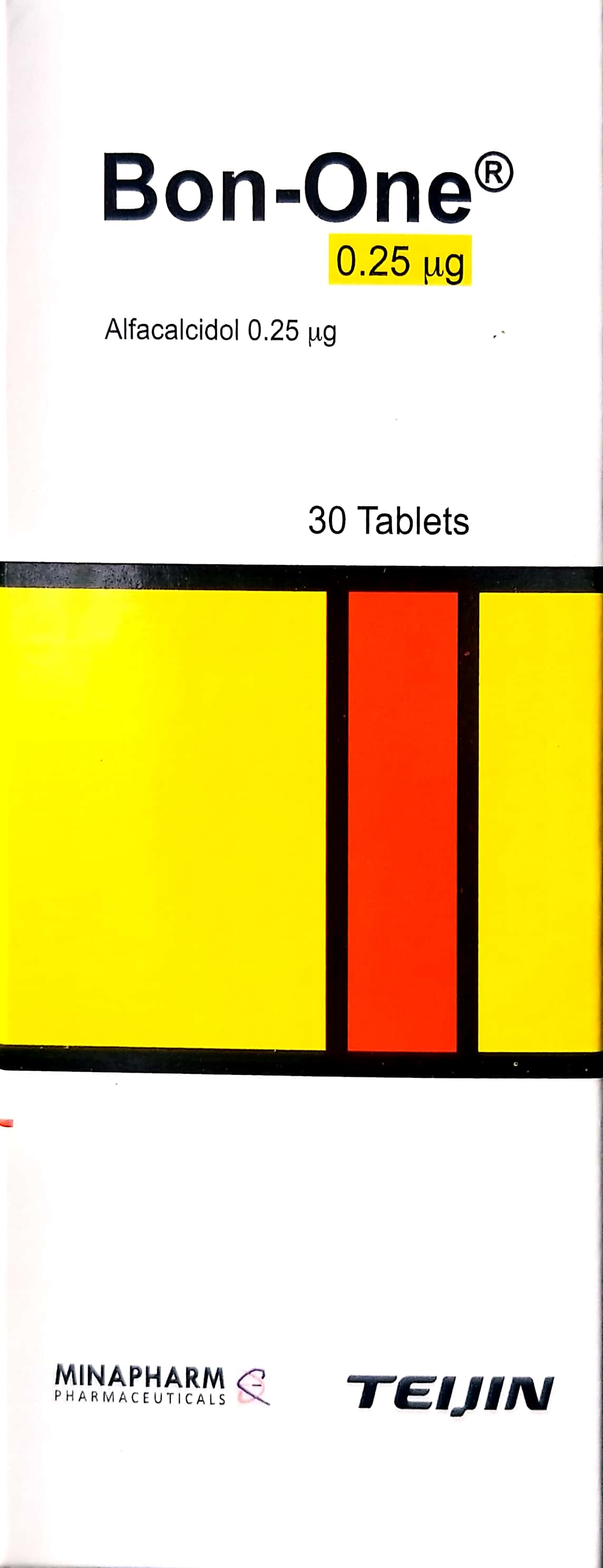
In the management of Scaphoid Fracture, Nonunion, a multidisciplinary clinical approach is essential to restore carpal stability and promote bone healing. Patients typically require a structured regimen for pain management, utilizing medications such as Acetaminophen-Codeine / أسيتامينوفين-كوديين 300mg / 30mg or Aleve / أليف 220mg, while metabolic support for osseous integration may be supplemented by Bon-one / بون-ون 0.25mcg. Immobilization is a critical conservative or post-operative component, often achieved through the use of a Volar Cock-Up Wrist Splint / جبيرة رفع الرسغ الراحية (الأطراف الصناعية والجبائر التقويمية). When surgical intervention is indicated, specialized techniques such as Volar Wedge Bone Grafting & Internal Fixation for Scaphoid Nonunions: An Intraoperative Masterclass or Volar Bone Grafting for Scaphoid Nonunion: The Stark Technique are employed, frequently utilizing K-Wires (Kirschner Wires) / أسلاك كيرشنر (أسلاك K) for stabilization. Advanced cases may necessitate [Vascularized Bone Grafts for Scaphoid Nonunion](https://www.hutaifortho.com/en/hub/mastering-the-management-of-scaphoid-fractures-understanding-classification-