Clinical Assessment & Protocol
Typical Presentation (HPI)
EN: Paresthesia (pins and needles) in feet and hands. AR: خدر وتنميل في القدمين واليدين.
General Examination
EN: Unremarkable or not routinely indicated. AR: طبيعي أو غير مطلوب روتينياً.
Treatment Protocol
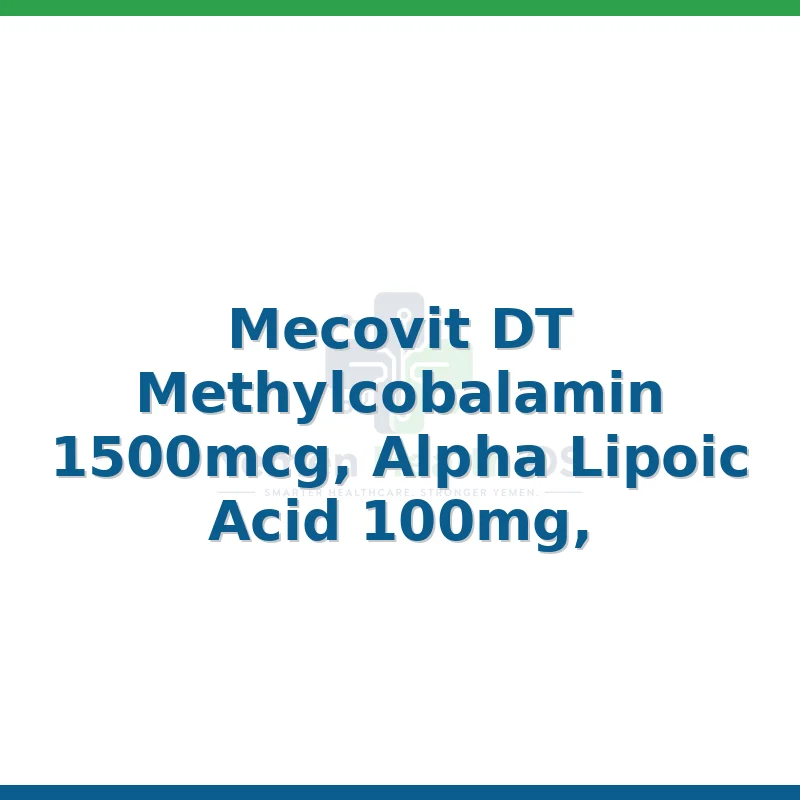
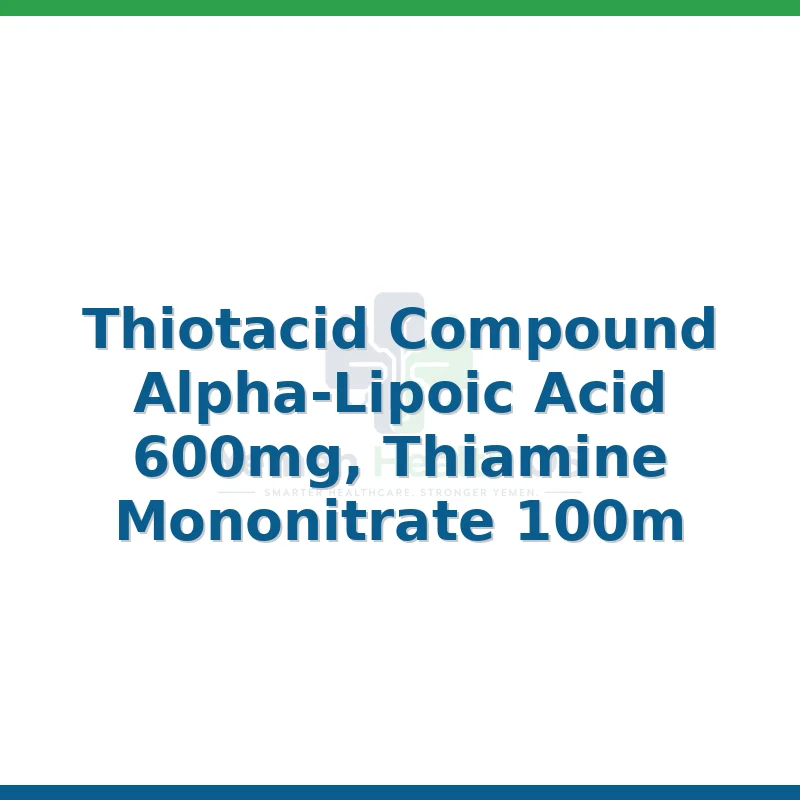
EN: Intramuscular B12 injections. AR: حقن فيتامين ب12 في العضل.
Patient Education
EN: Lifelong monthly B12 injections or high-dose sublingual tabs. AR: حقن ب12 شهرية مدى الحياة أو أقراص عالية الجرعة تحت اللسان.
Systemic & Specialized Examinations
EN: S1, S2 present. No murmurs. AR: صوتا القلب الأول والثاني طبيعيان. لا توجد نفخات.
EN: Lungs clear to auscultation. AR: الرئتان صافيتان عند التسمع.
EN: Decreased vibration sense and proprioception. AR: انخفاض الإحساس بالاهتزاز ووضعية الجسم.
EN: Alert, oriented x3. No focal deficits. AR: المريض واعي ومدرك. لا يوجد عجز عصبي بؤري.
EN: Unremarkable or not routinely indicated. AR: طبيعي أو غير مطلوب روتينياً.
EN: Unremarkable or not routinely indicated. AR: طبيعي أو غير مطلوب روتينياً.
EN: Unremarkable or not routinely indicated. AR: طبيعي أو غير مطلوب روتينياً.
EN: Unremarkable or not routinely indicated. AR: طبيعي أو غير مطلوب روتينياً.
EN: Unremarkable or not routinely indicated. AR: طبيعي أو غير مطلوب روتينياً.
1. Comprehensive Introduction & Overview
Vitamin B12 (cobalamin) deficiency is a systemic metabolic disorder that frequently manifests as a debilitating peripheral and central neuropathy. Unlike many other nutritional deficiencies that present with acute systemic symptoms, Vitamin B12 neuropathy is often insidious, progressive, and, if left untreated, potentially irreversible.
Clinically, B12 neuropathy is classified as a subacute combined degeneration (SCD) of the spinal cord. It involves the demyelination of the dorsal columns and the lateral corticospinal tracts. Because Vitamin B12 is a critical cofactor for myelin synthesis and maintenance, its absence leads to the breakdown of the protective lipid sheath surrounding neurons. This condition is not merely a "nerve pain" issue; it is a profound structural degradation of the nervous system that impacts proprioception, motor function, and cognitive stability.
This guide provides an exhaustive clinical overview for medical professionals, emphasizing the diagnostic rigor required to prevent permanent neurological damage.
2. Deep-Dive: Pathophysiology and Mechanisms
The neurological damage caused by B12 deficiency is rooted in the failure of two primary enzymatic pathways: the methionine synthase pathway and the methylmalonyl-CoA mutase pathway.
The Biochemical Cascade
- Methionine Synthase Failure: Vitamin B12 acts as a cofactor for methionine synthase, which converts homocysteine to methionine. Methionine is the precursor to S-adenosylmethionine (SAMe). SAMe is the universal methyl donor required for the methylation of myelin basic protein. Without adequate B12, methylation fails, leading to the instability and subsequent breakdown of the myelin sheath.
- Methylmalonyl-CoA Mutase Failure: B12 is required to convert methylmalonyl-CoA to succinyl-CoA. In a deficiency state, methylmalonic acid (MMA) accumulates. This toxic byproduct is believed to interfere with fatty acid synthesis, further disrupting the structural integrity of neuronal membranes.
Structural Impact
- Dorsal Columns: Patients experience loss of vibration sense and proprioception (sensory ataxia).
- Lateral Corticospinal Tracts: Patients develop upper motor neuron signs, including spasticity, hyperreflexia, and the Babinski sign.
- Peripheral Nerves: Axonal degeneration occurs, leading to distal sensory-motor polyneuropathy.
3. Clinical Indications & Presentation
Staging and Grading of Neuropathy
Clinicians should monitor progression using a standardized functional scale:
| Stage | Clinical Presentation | Pathological Correlate |
|---|---|---|
| Stage I | Paresthesia, tingling in distal extremities | Early myelin instability |
| Stage II | Loss of vibration/proprioception, gait instability | Dorsal column demyelination |
| Stage III | Spasticity, weakness, positive Babinski | Lateral corticospinal tract involvement |
| Stage IV | Cognitive impairment, dementia, paraplegia | Advanced axonal loss/irreversible damage |
Standard Clinical Presentation
- Sensory: "Pins and needles" (paresthesia), burning sensation, or numbness in a "glove-and-stocking" distribution.
- Motor: Weakness in the lower extremities, difficulty with balance (Romberg sign), and fine motor skill decline.
- Autonomic: Potential orthostatic hypotension or bladder/bowel dysfunction in advanced stages.
- Psychiatric/Cognitive: "Brain fog," mood disturbances, irritability, and in severe cases, "megaloblastic madness" (paranoia/hallucinations).
4. Diagnostic Protocols and Differential Diagnosis
Key Diagnostic Tests
A definitive diagnosis requires a combination of hematological and biochemical markers.
- Serum B12 Levels: Often the first line, but serum levels can be misleadingly "normal" in 20-30% of patients.
- Methylmalonic Acid (MMA): The gold standard for functional deficiency. Elevated MMA in the presence of normal B12 suggests a tissue-level deficiency.
- Homocysteine: Elevated in both B12 and folate deficiency; useful as a supporting marker.
- Anti-Intrinsic Factor Antibodies: Used to confirm Pernicious Anemia as the root cause.
- MRI of the Spine: May reveal the "inverted V" sign on T2-weighted images, indicative of hyperintensity in the dorsal columns.
Differential Diagnosis Table
| Condition | Distinguishing Feature |
|---|---|
| Diabetic Neuropathy | Usually symmetrical, associated with blood glucose markers |
| Multiple Sclerosis | Relapsing-remitting course, MRI brain lesions |
| Copper Deficiency | Mimics B12 deficiency but B12 levels are normal |
| Folate Deficiency | Normal MMA levels (unlike B12 deficiency) |
| Guillain-Barré | Rapid onset, ascending paralysis |
5. Risks, Side Effects, and Treatment Contraindications
Risks of Delayed Treatment
- Permanent Axonal Loss: After a certain threshold, the nervous system cannot remyelinate.
- Psychiatric Sequelae: Irreversible cognitive decline or dementia-like states.
- Atrophic Gastritis: If the underlying cause is pernicious anemia, the patient remains at an increased risk for gastric adenocarcinoma.
Contraindications and Cautions
- Leber’s Hereditary Optic Neuropathy: Cyanocobalamin should be used with extreme caution as it may cause rapid optic atrophy. Hydroxocobalamin is preferred.
- Folate Masking: High-dose folate supplementation can correct the megaloblastic anemia associated with B12 deficiency while allowing the neurological damage to progress silently. Never treat B12 deficiency with folate alone.
6. Comprehensive FAQ Section
1. Is B12 neuropathy reversible?
If caught in the early stages (paresthesia only), recovery is often complete. Once structural cord changes occur, improvement is limited, and the goal shifts to halting further progression.
2. Why do my B12 levels look normal, but I have symptoms?
This is common. Serum B12 measures total cobalamin, not active cobalamin. Functional deficiency occurs when B12 cannot reach the cellular level, which is why MMA testing is essential.
3. What is the standard treatment protocol?
Intramuscular injection of cyanocobalamin or hydroxocobalamin is the standard. Typical loading doses are 1,000 mcg daily for one week, followed by weekly injections for a month, then monthly maintenance.
4. Can oral supplements treat neurological symptoms?
In cases of malabsorption (Pernicious Anemia, Crohn’s, gastric bypass), oral supplements are often insufficient. IM injections are the gold standard for neurological manifestations.
5. How long does it take to see improvement?
Paresthesia may improve within weeks. Motor symptoms and spinal cord deficits may take months to years to show improvement, and some deficits may be permanent.
6. Is B12 neuropathy common in vegetarians?
Yes, B12 is found primarily in animal products. Strict vegans are at high risk and should be on prophylactic supplementation.
7. Does metformin cause B12 neuropathy?
Yes. Long-term use of metformin interferes with calcium-dependent absorption of B12 in the terminal ileum. Diabetic patients on metformin should have annual B12 screenings.
8. What is the "Inverted V" sign?
It is a radiological finding on a spinal MRI (T2-weighted) that shows symmetric hyperintensity in the dorsal columns of the spinal cord, characteristic of subacute combined degeneration.
9. Can alcohol consumption exacerbate B12 deficiency?
Alcohol causes gastric mucosal damage and impairs liver storage of B12, both of which accelerate the onset of neuropathy.
10. Do I need to stop taking B12 before blood tests?
Yes. Ideally, you should be off B12 supplements for at least 2–4 weeks prior to testing for accurate baseline levels, unless the patient is being monitored for treatment efficacy.
7. Prognosis and Long-Term Management
The prognosis for B12 neuropathy is highly dependent on the duration of symptoms prior to intervention.
- Early Intervention: Patients presenting within 6 months of symptom onset typically experience significant resolution of neurological deficits.
- Chronic/Late Intervention: Patients with established spasticity or significant ataxia are less likely to see full recovery. Long-term management requires life-long B12 supplementation if the cause is malabsorption.
Clinicians must adopt a "treat-first" mentality. Because the risks of B12 toxicity are virtually non-existent (it is water-soluble), the clinical threshold for initiating therapy should be low when a patient presents with unexplained neurological symptoms, even if initial serum B12 levels appear borderline or within the low-normal range.
Regular follow-ups should include:
1. Neurological exams to monitor vibration sense and reflexes.
2. Annual biochemical screening of MMA and Homocysteine.
3. Gastric surveillance if Pernicious Anemia is the identified etiology.
By maintaining a high index of suspicion and adhering to aggressive supplementation protocols, the clinician can successfully mitigate the devastating long-term impacts of this metabolic-neurological disorder.
Related Clinical Integration
In a modern clinical setting, the management of Vitamin B12 neuropathy requires a multidisciplinary approach that integrates diagnostic precision with targeted therapeutic intervention. To accurately assess the extent of nerve damage, clinicians often utilize an EMG/Nerve Conduction Study (NCS) Referral / إحالة لتخطيط كهربائية العضلات/دراسة توصيل العصب (فحص بالمنظار أو أخذ عينات), which helps differentiate peripheral neuropathy from other neurological conditions such as [تشخيص وعلاج داء الفقار الرقبية مع اعتلال النخاع الشوكي: دليلك الشامل مع الأستاذ الدكتور محمد هطيف](https://www.hutaifortho.com/ar/hub/msk-hutaif-%D8%AA%D8%B4%D8%AE%D9%8A%D8%B5-%D9%89%D8%B9%D9%84%D8%A7%D8%AC-%D8%AF%D8%A7%D8%A1-%D8%A7%D9%84%D9%81%D9%82%D8%A7%D8%B1-%D8%A7%D9%84%D8%B1%D9%82%D8%A8%D9%8A%D8%A9-%D9%85%D8%B9-%D8%A7%D8%B9%D8%AA%D9%84%D8%A7%D9%84-%D8%A7%D9%84%D9%86%D8%AE%D8%A7%D8%B9-%D8%A7%D9%84%D8%B4%D9%88%D9%83%D9%8A-%D8%AF%D9%84%D9%8A%D9%84%D9%83-%D8%A7%D9%84%D8%B4%D8%A7%D9%85%D9%84-%D9%85%D8%B9-%D8%A7%D9%84%D8%A3%D8%B3%D8%AA%D8%A7%D8%B1-%D8%A