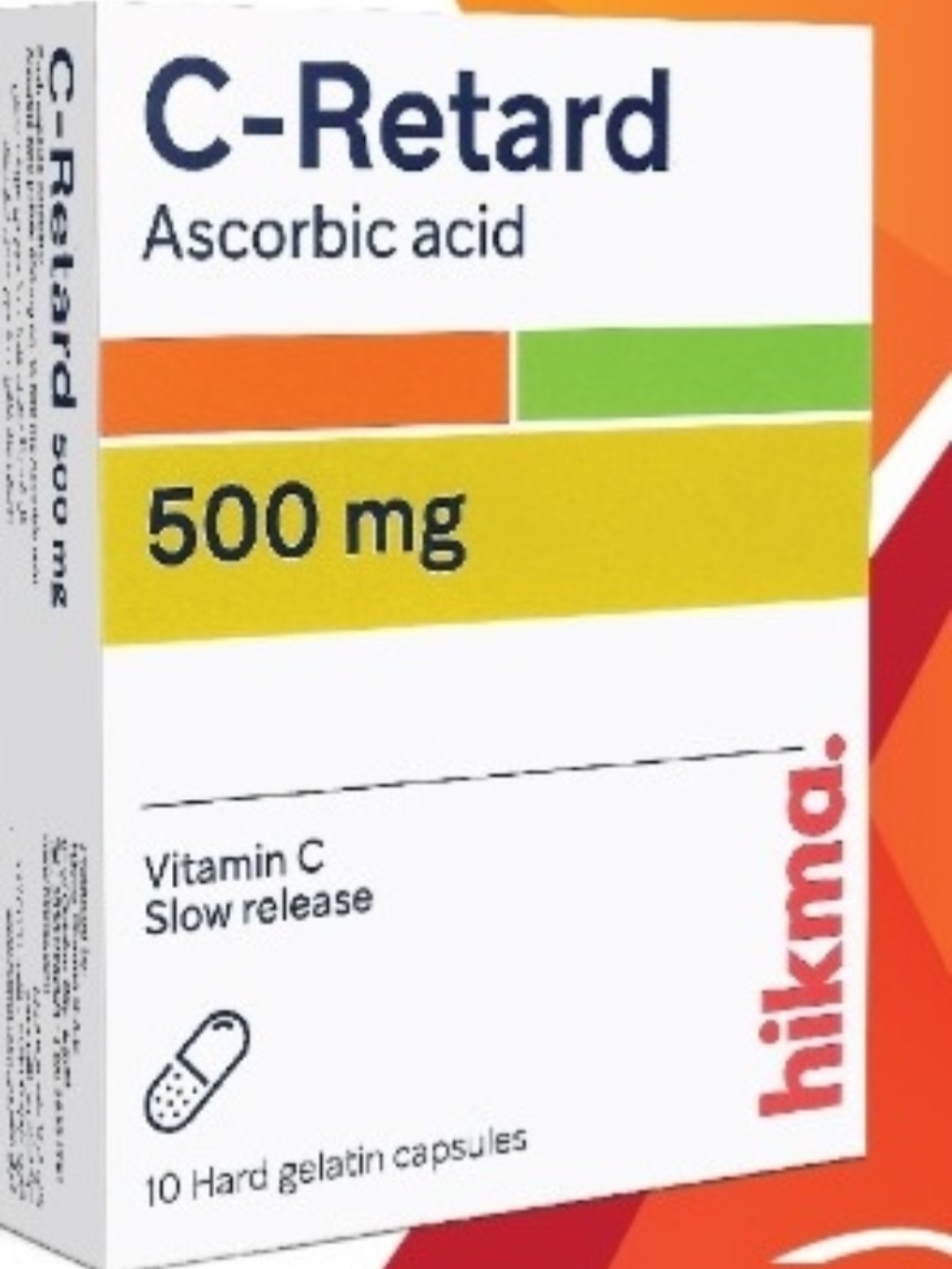
Comprehensive Overview: The Vitamin C Level Test
Vitamin C, also known as ascorbic acid, is a water-soluble micronutrient essential for human health. It serves as a vital cofactor for several enzymes involved in the synthesis of collagen, neurotransmitters, and carnitine. Unlike most mammals, humans cannot synthesize Vitamin C internally, making dietary intake mandatory.
The Vitamin C Level laboratory test is a diagnostic procedure used to quantify the concentration of ascorbic acid in the blood plasma or serum. While routine screening is uncommon for the general population, this test is a critical tool for clinicians evaluating patients with suspected nutritional deficiencies, malabsorption syndromes, or those requiring intravenous supplementation.
In the context of orthopedics and musculoskeletal health, Vitamin C is paramount. It is a fundamental component of collagen synthesis, the primary structural protein in bone, cartilage, skin, and tendons. Deficiencies can lead to impaired wound healing, weakened connective tissue, and subperiosteal hemorrhages.
Technical Specifications and Mechanisms
Vitamin C acts primarily as a potent antioxidant, protecting cells from oxidative stress. At a molecular level, it donates electrons to neutralize free radicals.
Mechanism of Action
- Collagen Synthesis: Ascorbic acid is required for the hydroxylation of proline and lysine residues in procollagen. Without adequate levels, collagen fibers become unstable, leading to the clinical manifestations of scurvy.
- Iron Absorption: Vitamin C facilitates the reduction of ferric iron to ferrous iron in the gastrointestinal tract, significantly enhancing bioavailability.
- Immune Function: It supports various cellular functions of both the innate and adaptive immune systems, particularly the function of phagocytes and T-cells.
Laboratory Methodology
The gold standard for measuring Vitamin C levels is High-Performance Liquid Chromatography (HPLC). This method provides high sensitivity and specificity. Electrochemical detection is often paired with HPLC to identify the reduced form (ascorbic acid) and the oxidized form (dehydroascorbic acid), providing a comprehensive picture of the patient's redox status.
Extensive Clinical Indications & Usage
The Vitamin C Level test is indicated for patients presenting with clinical signs of hypovitaminosis C or those with physiological conditions that increase metabolic demand.
1. Diagnostic Indications
- Suspected Scurvy: Patients presenting with perifollicular hyperkeratosis, corkscrew hairs, gingival swelling, or joint pain (hemarthrosis).
- Malabsorption Syndromes: Patients with Celiac disease, Crohn’s disease, or those post-gastric bypass surgery.
- Chronic Alcoholism: Often associated with poor dietary intake and impaired absorption.
- Pre-Surgical Assessment: Used for patients undergoing major orthopedic surgeries to ensure optimal collagen synthesis and wound healing capacity.
2. Monitoring Indications
- Intravenous Vitamin C Therapy: Patients receiving high-dose IV Vitamin C for cancer-supportive care or severe wound management.
- Renal Failure: Patients on chronic hemodialysis are at high risk of depletion due to the water-soluble nature of the vitamin being cleared during the dialysis process.
Reference Ranges (General Standards)
| Status | Plasma Concentration (µmol/L) | Plasma Concentration (mg/dL) |
|---|---|---|
| Optimal/Saturated | > 50 | > 0.88 |
| Adequate | 28 – 50 | 0.50 – 0.88 |
| Depleted | 11 – 28 | 0.20 – 0.50 |
| Deficient (Scurvy) | < 11 | < 0.20 |
Note: Reference ranges may vary slightly between laboratories depending on the specific calibration of the HPLC equipment.
Causes of Abnormal Levels
Decreased Vitamin C Levels (Hypovitaminosis)
- Dietary Insufficiency: Lack of fresh fruits and vegetables in the diet.
- Increased Metabolic Demand: Severe trauma, major burns, or post-operative states where the body utilizes stores rapidly for tissue repair.
- Smoking: Tobacco smoke increases oxidative stress, requiring higher turnover of Vitamin C stores.
- Gastrointestinal Issues: Chronic diarrhea or surgical resection of the small intestine.
Elevated Vitamin C Levels (Hypervitaminosis)
- Excessive Supplementation: Megadose oral supplementation.
- Artifactual Elevation: High levels are rarely toxic as the body excretes excess via urine; however, extremely high levels can interfere with other lab tests, such as glucose monitoring.
Specimen Collection and Interfering Factors
Proper pre-analytical handling is essential for accurate Vitamin C measurements, as the molecule is highly unstable and sensitive to light, heat, and air.
Specimen Collection Requirements
- Fasting: A 12-hour fast is generally recommended to ensure baseline plasma levels.
- Stabilization: Blood must be collected in a chilled tube (EDTA or heparin).
- Light Protection: The sample must be wrapped in foil or protected from light immediately after draw.
- Processing: Plasma should be separated via centrifugation in a refrigerated centrifuge and frozen immediately at -70°C if not analyzed within a few hours.
Interfering Factors
- Medications: Aspirin, corticosteroids, and oral contraceptives can lower plasma Vitamin C levels.
- Hemolysis: Hemolyzed samples are generally rejected because Vitamin C concentration in erythrocytes is higher than in plasma; hemolysis will falsely elevate results.
- Delayed Processing: Exposure to room temperature causes rapid oxidation of ascorbic acid, leading to falsely low results.
Risks, Side Effects, and Contraindications
Testing itself carries the standard risks of phlebotomy (bruising, fainting, infection). Regarding supplementation based on test results:
- Kidney Stones: Individuals with a history of calcium oxalate nephrolithiasis should avoid high-dose Vitamin C, as it is metabolized into oxalate, potentially increasing stone risk.
- Iron Overload: In patients with hemochromatosis, high doses of Vitamin C can increase iron absorption to toxic levels.
Frequently Asked Questions (FAQ)
1. Does a normal Vitamin C level guarantee good health?
No. A normal level indicates adequate circulating status, but it does not account for intracellular stores or individual metabolic requirements during acute illness.
2. Can Vitamin C levels be tested via urine?
While urine testing is possible, it is not a reliable indicator of total body stores. It merely reflects recent dietary intake and renal excretion.
3. How often should I test my Vitamin C levels?
Routine testing is not recommended. It is typically only performed when a deficiency is suspected or when managing specific clinical conditions.
4. Does Vitamin C help with bone fractures?
Yes. Vitamin C is a critical cofactor for collagen cross-linking. Adequate levels are essential for proper fracture healing and bone matrix formation.
5. Can I take Vitamin C supplements before the test?
You should consult your physician. Usually, you are asked to discontinue supplements for 24–48 hours prior to the test to get an accurate baseline of your body’s metabolic status.
6. What are the first signs of low Vitamin C?
Fatigue, malaise, and inflammation of the gums are often the earliest clinical signs.
7. Does smoking affect my Vitamin C levels?
Yes. Smokers have significantly lower plasma Vitamin C levels than non-smokers due to increased oxidative stress and metabolic turnover.
8. Is there a risk of Vitamin C toxicity?
Vitamin C has low toxicity because it is water-soluble. Excessive doses may cause gastrointestinal upset, diarrhea, and, in susceptible individuals, kidney stones.
9. Why is the blood sample protected from light?
Vitamin C is photosensitive. Exposure to light causes rapid degradation of the molecule, which would lead to an inaccurate, falsely low lab result.
10. Does the time of day affect the test?
Yes, fasting is required. It is best to perform the blood draw in the morning after an overnight fast to minimize the impact of recent dietary intake.
Conclusion
The Vitamin C Level test is a specialized diagnostic tool that provides deep insights into a patient’s nutritional status and regenerative capacity. For orthopedic patients, maintaining optimal Vitamin C levels is non-negotiable for successful recovery from surgeries and injuries. By understanding the intricacies of specimen handling, the influence of metabolic demand, and the clinical significance of the reference ranges, healthcare providers can better manage patient outcomes. Always ensure that testing is interpreted within the context of the patient's full clinical presentation, dietary history, and existing comorbidities.