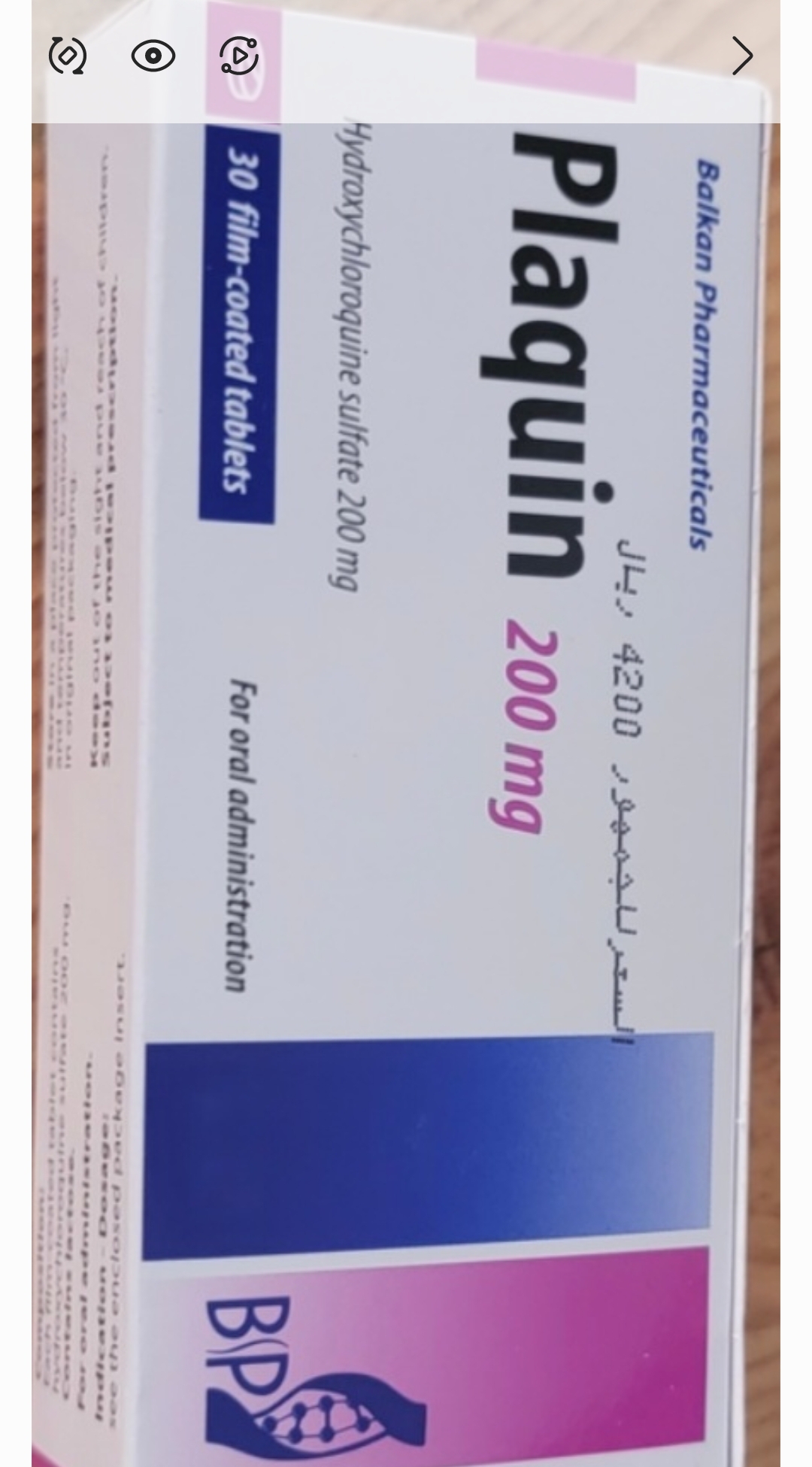
Comprehensive Introduction to Plaquin (Hydroxychloroquine)
Plaquin, the brand name for the generic medication hydroxychloroquine, is a cornerstone pharmacologic agent in the fields of rheumatology, dermatology, and infectious disease. Originally derived from chloroquine, Plaquin was developed to minimize the systemic toxicity associated with its predecessor while maintaining potent immunomodulatory and antimalarial properties.
In modern clinical practice, Plaquin is classified as a Disease-Modifying Antirheumatic Drug (DMARD). It is widely prescribed for the long-term management of chronic autoimmune conditions, most notably Systemic Lupus Erythematosus (SLE) and Rheumatoid Arthritis (RA). Its unique ability to alter the underlying disease process rather than merely masking symptoms makes it an essential tool for orthopedic and rheumatologic specialists.
Mechanism of Action: How Plaquin Works
The therapeutic efficacy of Plaquin is attributed to its multifaceted influence on the immune system. While the exact pathways are complex, the following mechanisms are clinically recognized:
- Lysosomal pH Alteration: Plaquin accumulates in acidic cytoplasmic vesicles (lysosomes) of cells. By increasing the pH within these compartments, it interferes with the processing and presentation of autoantigens by major histocompatibility complex (MHC) class II molecules.
- Inhibition of Toll-Like Receptors (TLRs): It blocks the activation of TLR-7 and TLR-9. These receptors are critical in the innate immune response, particularly in the recognition of nucleic acids, which are often the targets of autoantibodies in lupus.
- Cytokine Suppression: Plaquin inhibits the production of pro-inflammatory cytokines, including Interleukin-1 (IL-1), Interleukin-6 (IL-6), and Tumor Necrosis Factor-alpha (TNF-α), thereby dampening the inflammatory cascade.
- Autophagy Interference: By preventing the fusion of autophagosomes with lysosomes, it disrupts the recycling of cellular components, which can be detrimental to the survival of hyper-activated immune cells.
Pharmacokinetics
Understanding the movement of Plaquin through the body is vital for managing patient expectations and monitoring safety.
| Parameter | Details |
|---|---|
| Absorption | Rapidly and almost completely absorbed from the gastrointestinal tract. |
| Distribution | Extensive tissue distribution; high affinity for melanin-containing tissues (retina, skin). |
| Metabolism | Hepatic metabolism into active metabolites (desethylhydroxychloroquine). |
| Half-Life | Very long, approximately 40 to 50 days, due to tissue sequestration. |
| Excretion | Primarily renal; requires dose adjustment in severe renal impairment. |
Extensive Clinical Indications & Usage
Plaquin is indicated for a variety of conditions where immune regulation is required.
1. Systemic Lupus Erythematosus (SLE)
Plaquin is considered first-line therapy for patients with SLE. It is proven to prevent flares, reduce organ damage, and improve long-term survival rates. It is particularly effective for skin rashes, joint pain, and constitutional symptoms.
2. Rheumatoid Arthritis (RA)
In early or mild RA, Plaquin is used as a foundational DMARD. It is often prescribed in combination with methotrexate or sulfasalazine to achieve better disease control.
3. Malaria
Historically, Plaquin was used for the suppression and treatment of acute attacks of malaria caused by susceptible strains of Plasmodium vivax, P. malariae, and P. ovale.
4. Dermatological Conditions
It is frequently utilized in the management of discoid lupus and polymorphic light eruption, as it provides a protective effect against UV-induced skin damage.
Dosage Guidelines
Dosage must be individualized based on patient weight and clinical response.
- Standard RA/SLE Dosage: Usually 200 mg to 400 mg daily.
- Weight-Based Dosing: To minimize ocular toxicity, current guidelines recommend not exceeding 5 mg/kg of actual body weight per day.
- Administration: It is recommended to take Plaquin with food or milk to minimize gastric irritation, which is a common side effect.
Risks, Side Effects, and Contraindications
Common Side Effects
- Nausea, abdominal cramping, and diarrhea.
- Headache or dizziness.
- Skin rashes or pruritus.
Serious Risks
- Retinal Toxicity: This is the most significant concern. Long-term use can lead to irreversible retinopathy. Annual ophthalmological screenings (including OCT and visual field testing) are mandatory for patients on long-term therapy.
- Cardiomyopathy: Rare but serious cases of heart muscle damage have been reported.
- QT Prolongation: Plaquin can prolong the QT interval, increasing the risk of arrhythmias, especially when combined with other drugs that have similar effects.
Contraindications
- Known hypersensitivity to 4-aminoquinoline compounds.
- Pre-existing maculopathy or retinal changes.
- Patients with porphyria or psoriasis (may trigger exacerbations).
Pregnancy and Lactation
- Pregnancy: Plaquin is generally considered safe for use during pregnancy in patients with SLE. Discontinuing the medication can lead to disease flares, which pose a higher risk to the fetus than the medication itself.
- Lactation: It is excreted in breast milk in small amounts. While generally considered compatible, the infant should be monitored for potential adverse effects. Always consult with a specialist before making decisions regarding medication during breastfeeding.
Overdose Management
Plaquin overdose is a medical emergency. Symptoms include headache, drowsiness, visual disturbances, cardiovascular collapse, and seizures.
- Immediate Care: Gastric lavage or activated charcoal administration if the ingestion is recent.
- Supportive Therapy: Monitoring of cardiac rhythm and electrolyte levels (particularly potassium).
- Advanced Intervention: In cases of severe toxicity, mechanical ventilation and vasopressors may be required.
Frequently Asked Questions (FAQ)
1. Does Plaquin cause immediate side effects?
Most patients tolerate it well, but some experience mild nausea or stomach upset in the first few weeks as the body adjusts.
2. How long does it take for Plaquin to start working?
Plaquin is not a fast-acting pain reliever. It typically takes 6 to 12 weeks to see significant improvement in symptoms of RA or SLE.
3. Do I really need an eye exam every year?
Yes. Retinal toxicity is often asymptomatic in the early stages. Regular screening is the only way to detect changes before vision loss occurs.
4. Can I take Plaquin with other medications?
Plaquin interacts with several drugs, including digoxin, insulin, and certain antacids. Always provide your doctor with a full list of your current medications.
5. Will Plaquin cure my lupus?
There is no "cure" for lupus, but Plaquin is highly effective at keeping the disease in remission and preventing organ damage.
6. Is it safe to drink alcohol while on Plaquin?
There is no direct contraindication, but alcohol can exacerbate some side effects like stomach upset and may affect liver function. Moderation is advised.
7. Does Plaquin cause hair loss?
Hair thinning or changes in hair pigmentation are rare but reported side effects. It is usually reversible upon discontinuation.
8. What happens if I miss a dose?
Take the missed dose as soon as you remember. If it is almost time for your next dose, skip the missed one. Do not double up.
9. Can I take Plaquin if I have kidney issues?
Yes, but the dosage may need to be adjusted by your physician. Ensure your doctor is aware of your renal function.
10. Can I stop taking Plaquin suddenly?
Do not stop without medical supervision. Stopping suddenly can lead to a flare-up of your underlying autoimmune condition.
Disclaimer: This guide is for educational purposes only and does not constitute medical advice. Always consult with a qualified healthcare provider or rheumatologist before starting, stopping, or changing your medication regimen. If you suspect an adverse reaction or overdose, seek emergency medical attention immediately.