Clinical Assessment & Protocol
Typical Presentation (HPI)
EN: Newborn diagnosed via routine screening, persistent jaundice, lethargy, poor feeding. AR: مولود جديد تم تشخيصه عبر الفحص الروتيني، يعاني من يرقان مستمر، خمول، وضعف في الرضاعة.
General Examination
EN: Macroglossia, umbilical hernia, hypotonia. AR: ضخامة اللسان، فتق سري، نقص التوتر العضلي.
Treatment Protocol
EN: Levothyroxine replacement therapy. AR: علاج تعويضي بليفوثيروكسين.
Patient Education
EN: Importance of strict medication adherence to prevent developmental delay. AR: أهمية الالتزام الصارم بالدواء لمنع التأخر النمائي.
Systemic & Specialized Examinations
EN: S1, S2 present. No murmurs. AR: صوتا القلب الأول والثاني طبيعيان. لا توجد نفخات.
EN: Lungs clear to auscultation. AR: الرئتان صافيتان عند التسمع.
EN: Abdomen soft, non-tender. AR: البطن لين ولا يوجد ألم.
EN: Alert, oriented x3. No focal deficits. AR: المريض واعي ومدرك. لا يوجد عجز عصبي بؤري.
EN: Unremarkable or not routinely indicated. AR: طبيعي أو غير مطلوب روتينياً.
EN: Unremarkable or not routinely indicated. AR: طبيعي أو غير مطلوب روتينياً.
EN: Unremarkable or not routinely indicated. AR: طبيعي أو غير مطلوب روتينياً.
EN: Unremarkable or not routinely indicated. AR: طبيعي أو غير مطلوب روتينياً.
EN: Unremarkable or not routinely indicated. AR: طبيعي أو غير مطلوب روتينياً.
Orthopedic & Trauma Assessments
EN: Unremarkable. Not routinely indicated for this specific pediatric pathology. AR: طبيعي. غير مطلوب روتينياً لهذه الحالة المرضية الخاصة بالأطفال.
EN: Unremarkable. Not routinely indicated for this specific pediatric pathology. AR: طبيعي. غير مطلوب روتينياً لهذه الحالة المرضية الخاصة بالأطفال.
EN: Unremarkable or not routinely indicated. AR: طبيعي أو غير مطلوب روتينياً.
EN: Unremarkable or not routinely indicated. AR: طبيعي أو غير مطلوب روتينياً.
EN: Unremarkable. Not routinely indicated for this specific pediatric pathology. AR: طبيعي. غير مطلوب روتينياً لهذه الحالة المرضية الخاصة بالأطفال.
EN: Unremarkable. Not routinely indicated for this specific pediatric pathology. AR: طبيعي. غير مطلوب روتينياً لهذه الحالة المرضية الخاصة بالأطفال.
EN: Unremarkable. Not routinely indicated for this specific pediatric pathology. AR: طبيعي. غير مطلوب روتينياً لهذه الحالة المرضية الخاصة بالأطفال.
EN: Unremarkable. Not routinely indicated for this specific pediatric pathology. AR: طبيعي. غير مطلوب روتينياً لهذه الحالة المرضية الخاصة بالأطفال.
EN: Unremarkable. Not routinely indicated for this specific pediatric pathology. AR: طبيعي. غير مطلوب روتينياً لهذه الحالة المرضية الخاصة بالأطفال.
Congenital Hypothyroidism: A Comprehensive Medical Guide
1. Introduction & Overview
Congenital Hypothyroidism (CH) is a significant endocrine disorder characterized by the thyroid gland's inability to produce sufficient thyroid hormones from birth. Thyroid hormones, primarily thyroxine (T4) and triiodothyronine (T3), are crucial for normal growth and development, particularly for the central nervous system (CNS). The impact of CH is profound, as untreated or inadequately treated hypothyroidism during infancy and early childhood can lead to irreversible intellectual disability and severe developmental delays. Fortunately, widespread newborn screening programs have dramatically improved the detection and management of CH, allowing for timely intervention and preventing severe consequences. This guide aims to provide an exhaustive overview of Congenital Hypothyroidism, covering its definition, causes, mechanisms, clinical presentation, diagnostic approaches, and long-term outlook, intended for healthcare professionals, researchers, and informed individuals seeking in-depth knowledge.
2. Technical Specifications / Mechanisms
2.1. Clinical Definition
Congenital Hypothyroidism is defined as a deficiency in thyroid hormone production or action present at birth. This deficiency can stem from intrinsic defects in the thyroid gland itself (primary hypothyroidism) or, less commonly, from problems with the pituitary gland or hypothalamus that regulate thyroid function (central or secondary/tertiary hypothyroidism). The severity of hypothyroidism can range from subclinical (mild elevations in thyroid-stimulating hormone (TSH) with normal free T4) to overt (significantly elevated TSH and low free T4).
2.2. Etiology (Causes)
The causes of Congenital Hypothyroidism are diverse and can be broadly categorized into genetic and environmental factors.
2.2.1. Primary Congenital Hypothyroidism (Thyroidal Defects)
This is the most common form, accounting for approximately 80-85% of CH cases. It arises from defects in the thyroid gland's structure or function.
- Thyroid Dysgenesis (80-85% of primary CH): This refers to the abnormal development, migration, or differentiation of the thyroid gland.
- Ectopic Thyroid: The thyroid gland is located outside its normal anatomical position, often in the neck, tongue, or mediastinum.
- Agenesis: Complete absence of the thyroid gland.
- Hypoplasia: Underdevelopment of the thyroid gland.
- Dyshormonogenesis (15-20% of primary CH): This involves inherited defects in the enzymes or proteins responsible for thyroid hormone synthesis. These are typically autosomal recessive disorders.
- Sodium-Iodide Symporter (NIS) Deficiency (SLC5A5 gene): Impaired iodide uptake by thyroid follicular cells.
- Thyroid Peroxidase (TPO) Deficiency: TPO is crucial for iodide organification and the coupling of iodotyrosines to form T4 and T3. This is the most common dyshormonogenesis defect.
- Thyroglobulin (Tg) Deficiency: Defective synthesis or structure of thyroglobulin, the protein precursor for thyroid hormones.
- Deiodinase Deficiency (Type 3): Primarily affects peripheral conversion of T4 to T3.
- Coupling Defects: Impaired formation of T4 and T3 from iodotyrosines.
- Transient Congenital Hypothyroidism: Temporary deficiency of thyroid hormone production.
- Maternal Factors:
- Maternal Antithyroid Drug Use: Exposure to antithyroid medications (e.g., methimazole, propylthiouracil) during pregnancy can suppress fetal thyroid function.
- Maternal Thyroiditis: Maternal antibodies (e.g., anti-TSH receptor antibodies in Graves' disease) can cross the placenta and interfere with fetal thyroid function.
- Iodine Deficiency or Excess: Maternal iodine deficiency can lead to fetal hypothyroidism. Excessive iodine exposure (e.g., through maternal contrast agents) can also cause transient hypothyroidism (Wolff-Chaikoff effect).
- Neonatal Factors:
- Prematurity: Premature infants may have immature hypothalamic-pituitary-thyroid (HPT) axis function.
- Low Birth Weight: Similar to prematurity, low birth weight can be associated with transient HPT axis dysfunction.
- Certain Medications: Some neonatal medications can interfere with thyroid function.
- Maternal Factors:
2.2.2. Central Congenital Hypothyroidism (Hypothalamic or Pituitary Defects)
This is a rarer form, accounting for about 10-15% of CH cases. It results from insufficient TSH production by the pituitary gland or insufficient thyrotropin-releasing hormone (TRH) from the hypothalamus.
- Genetic Defects:
- TSH Beta-Subunit (TSHB) Gene Mutations: Affects TSH synthesis and secretion.
- TRH Receptor (TRHR) Gene Mutations: Impairs the pituitary's response to TRH.
- Thyrotropin-Releasing Hormone (TRH) Deficiencies: Rare genetic mutations affecting TRH synthesis.
- Combined Pituitary Hormone Deficiencies (CPHD): CH can be part of a broader spectrum of pituitary hormone deficiencies caused by mutations in genes like PROP1, PIT1, HESX1, SOX3, and LHX3.
- Acquired Causes: Though less common in the congenital setting, acquired pituitary lesions (e.g., tumors, trauma, surgery, radiation) could theoretically impact central thyroid regulation.
2.3. Pathophysiology
Thyroid hormones (T4 and T3) are essential for regulating metabolism, growth, and development. T4 is the primary hormone secreted by the thyroid gland, and T3 is the more biologically active form, largely produced by peripheral deiodination of T4.
- Role in Development: During fetal and neonatal life, thyroid hormones are critical for:
- Brain Development: Synaptogenesis, myelination, neuronal migration, and differentiation. Deficiency severely impacts cognitive function and neurological development.
- Skeletal Growth: Bone maturation and linear growth.
- Metabolism: Regulating energy expenditure and thermogenesis.
- Hormonal Regulation: The HPT axis is tightly regulated.
- The hypothalamus releases TRH in response to low thyroid hormone levels.
- TRH stimulates the anterior pituitary to release TSH.
- TSH stimulates the thyroid gland to produce and release T4 and T3.
- T4 and T3 exert negative feedback on the hypothalamus and pituitary, suppressing TRH and TSH release.
- Pathological Mechanisms in CH:
- Primary CH: Defects in the thyroid gland (dysgenesis or dyshormonogenesis) lead to impaired hormone synthesis or secretion. This results in low circulating T4 and T3 levels. The negative feedback loop is broken, leading to persistently elevated TSH (in primary CH) as the pituitary tries to stimulate a dysfunctional thyroid.
- Central CH: Defects in the hypothalamus or pituitary lead to insufficient TRH or TSH production. This results in low circulating T4 and T3 levels, but paradoxically, TSH levels are also low or inappropriately normal, failing to stimulate the thyroid gland adequately.
3. Clinical Indications & Usage (Clinical Presentation)
The clinical presentation of Congenital Hypothyroidism can vary significantly depending on the severity and duration of hormone deficiency. In the neonatal period, signs and symptoms can be subtle and non-specific, making clinical diagnosis challenging without newborn screening. However, classic signs, if present, can include:
3.1. Neonatal Presentation (Often Subtle or Absent)
- Lethargy and Hypotonia: Reduced muscle tone and decreased activity.
- Poor Feeding and Constipation: Slowed gastrointestinal motility.
- Protruding Tongue (Macroglossia): Enlarged tongue.
- Umbilical Hernia: A common finding.
- Dry, Cool Skin and Mottled Appearance: Reduced peripheral circulation and skin moisture.
- Jaundice: Prolonged neonatal jaundice (indirect hyperbilirubinemia).
- Cold Intolerance: Difficulty maintaining body temperature.
- Hoarse Cry: Due to accumulation of mucopolysaccharides in the larynx.
- Delayed Growth: While not evident at birth, can be a sign of prolonged untreated hypothyroidism.
- Facial Features: Coarse facial features, puffy eyes (periorbital edema), flattened nasal bridge.
- Delayed Fontanel Closure: Especially the posterior fontanel.
3.2. Infancy and Childhood Presentation (If Untreated)
If CH is not diagnosed and treated in the neonatal period, progressive symptoms will emerge, leading to severe developmental impairment.
- Growth Retardation: Stunted linear growth, failure to thrive.
- Intellectual Disability: The most devastating consequence, ranging from mild to severe cognitive impairment. This is due to the critical role of thyroid hormones in brain development during the first few years of life.
- Delayed Motor Development: Delayed sitting, crawling, walking.
- Delayed Puberty: Impaired sexual development.
- Skeletal Abnormalities: Impaired bone maturation, short stature, characteristic radiographic findings (e.g., stippled epiphyses).
- Neurological Signs: Impaired coordination, hearing impairment, visual deficits.
- Metabolic Changes: Anemia, hypercholesterolemia.
3.3. Clinical Staging/Grading
While formal staging systems for Congenital Hypothyroidism are not as established as for some other conditions, severity can be assessed based on:
- Biochemical Severity:
- Subclinical CH: Elevated TSH, normal free T4.
- Overt CH: Elevated TSH, low free T4.
- Severe CH: Markedly elevated TSH and very low free T4.
- Clinical Severity: Based on the presence and severity of symptoms and developmental deficits.
- Age at Diagnosis and Initiation of Treatment: Earlier diagnosis and treatment are associated with milder outcomes.
4. Differential Diagnosis
The differential diagnosis of suspected Congenital Hypothyroidism in a newborn involves considering other conditions that might present with similar signs or biochemical abnormalities.
| Condition | Key Differentiating Features
Related Clinical Integration
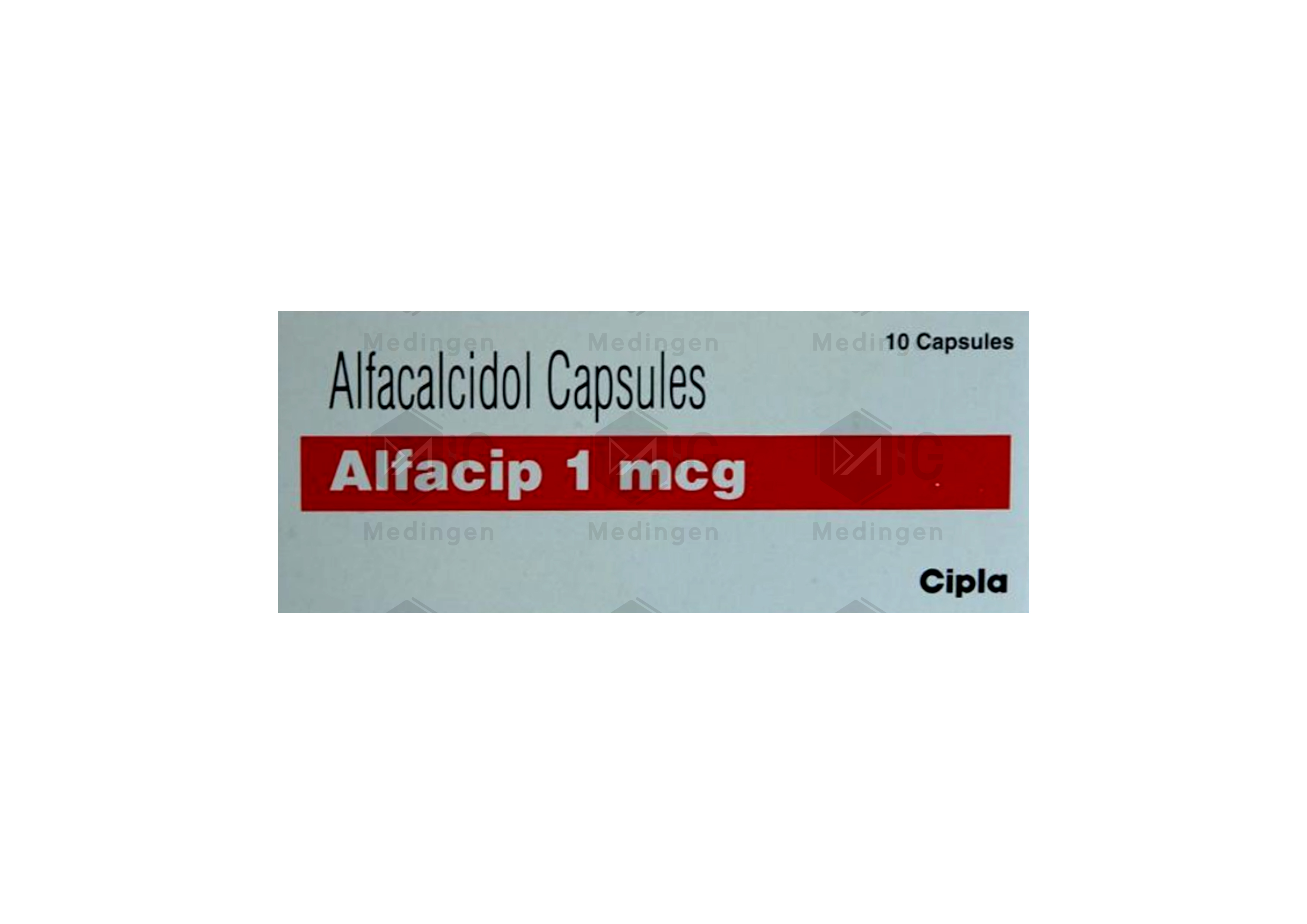
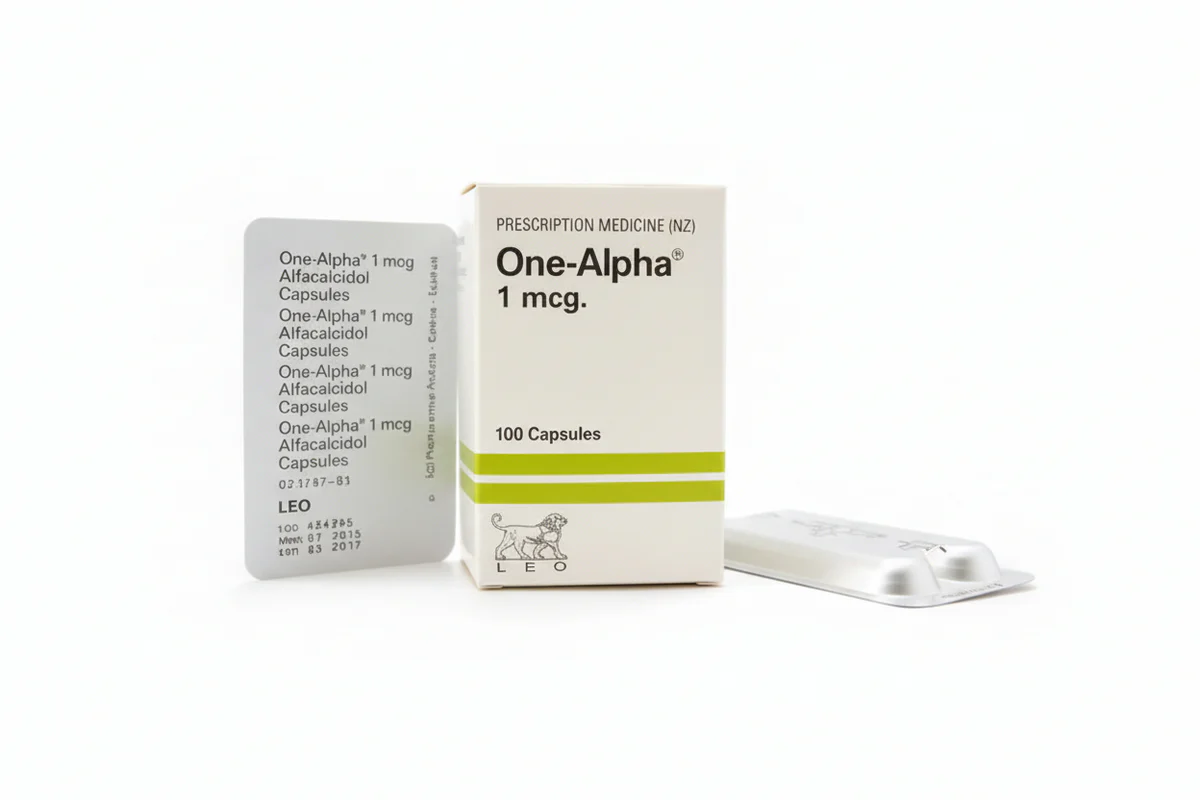
In the comprehensive management of congenital hypothyroidism, clinicians must remain vigilant for potential secondary endocrine complications, particularly those involving calcium homeostasis and bone metabolism. While thyroid hormone replacement is the primary therapeutic intervention, patients may occasionally present with concurrent metabolic disturbances that necessitate the use of vitamin D analogs such as ALFACIP 1MCG / ألفاسيب 1 ميكروغرام 0.25 mcg or ONE-ALPHA® 1 MCG / ون-ألفا® 1 ميكروجرام 1 mcg. These agents are integrated into the clinical pathway when diagnostic monitoring reveals hypocalcemia or impaired vitamin D activation, ensuring that the patient’s skeletal development and systemic mineral balance are adequately supported alongside their thyroid hormone replacement therapy.