Clinical Assessment & Protocol
Typical Presentation (HPI)
EN: The patient presents following an episode of non-suicidal self-injury (superficial wrist cutting) triggered by a perceived abandonment by their therapist. They describe chronic feelings of emptiness, rapid mood swings, and a history of unstable, intense romantic relationships. AR: حضر المريض بعد نوبة من إيذاء النفس غير الانتحاري (قطع سطحي في المعصم) ناتجة عن شعور متصور بالهجر من قبل معالجه. يصف المريض مشاعر مزمنة بالفراغ، وتقلبات مزاجية سريعة، وتاريخًا من العلاقات العاطفية غير المستقرة والمكثفة.
General Examination
EN: Unremarkable or not routinely indicated for this specific pathology. AR: طبيعي أو غير مطلوب روتينياً لهذا المرض.
Treatment Protocol
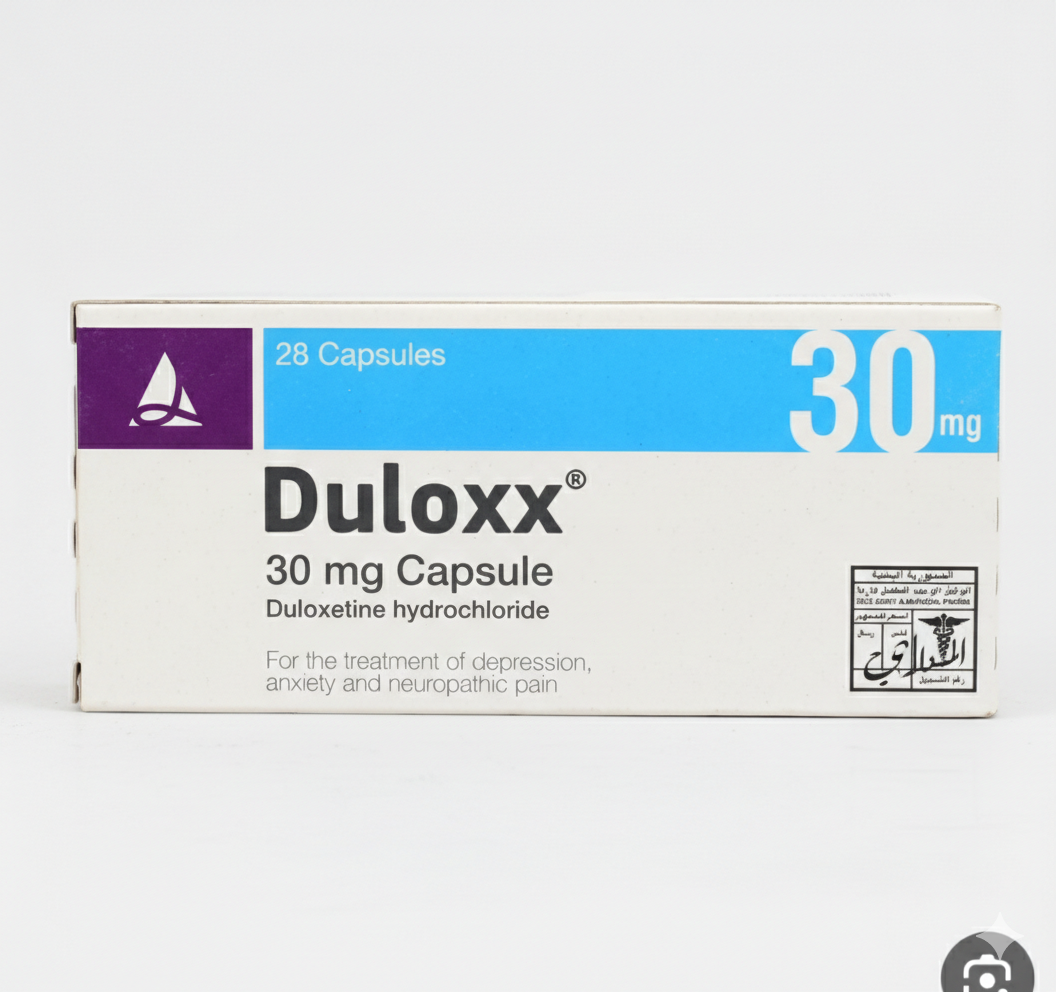
EN: The primary gold-standard treatment is Dialectical Behavior Therapy (DBT). Pharmacotherapy is supportive and symptom-targeted (e.g., low-dose atypical antipsychotics for cognitive-perceptual symptoms, or SSRIs for comorbid affective dysregulation); there is no FDA-approved medication specifically for BPD. AR: العلاج الأساسي والمعياري الذهبي هو العلاج السلوكي الجدلي (DBT). العلاج الدوائي داعم ومستهدف للأعراض (مثل جرعات منخفضة من مضادات الذهان غير النمطية للأعراض الإدراكية المعرفية، أو مثبطات استرداد السيروتونين الانتقائية لاختلال تنظيم الوجدان المصاحب)؛ لا يوجد دواء معتمد من إدارة الغذاء والدواء خصيصًا لهذا الاضطراب.
Patient Education
EN: Educate the patient and family on emotional dysregulation, the importance of establishing firm interpersonal boundaries, safety planning during crises, and the long-term commitment required for dialectical behavior therapy. AR: تثقيف المريض وعائلته حول اختلال التنظيم الانفعالي، وأهمية وضع حدود شخصية صارمة، وخطط السلامة أثناء الأزمات، والالتزام طويل الأمد المطلوب للعلاج السلوكي الجدلي.
Systemic & Specialized Examinations
EN: S1, S2 present. No murmurs. Normal rate and rhythm. AR: صوتا القلب الأول والثاني طبيعيان. لا توجد نفخات.
EN: Lungs clear to auscultation bilaterally. No wheezes or crackles. AR: الرئتان صافيتان عند التسمع. لا يوجد أزيز أو كراكر.
EN: Abdomen soft, non-tender, non-distended. AR: البطن لين ولا يوجد ألم.
EN: Alert, oriented x3. No focal deficits. AR: المريض واعي ومدرك. لا يوجد عجز عصبي بؤري.
EN: Unremarkable or not routinely indicated for this specific pathology. AR: طبيعي أو غير مطلوب روتينياً لهذا المرض.
EN: Physical exam reveals multiple linear, well-healed and fresh scars on both forearms. MSE demonstrates a highly anxious and affectively labile individual. Splitting defense mechanism is evident (viewing medical staff as either 'all good' or 'all bad'). Thought content includes suicidal gestures but no structured plan. Insight is limited; judgment is impaired in interpersonal contexts. AR: يكشف الفحص البدني عن ندوب متعددة خطية، بعضها ملتئم وبعضها حديث على كلا الساعدين. يظهر فحص الحالة العقلية شخصًا قلقًا للغاية ومتقلب الوجدان. آلية الدفاع الانشطارية واضحة (رؤية الطاقم الطبي إما 'جيد تمامًا' أو 'سيء تمامًا'). يشمل محتوى التفكير إيماءات انتحارية دون خطة منظمة. البصيرة محدودة؛ والقدرة على الحكم متدهورة في السياقات الشخصية.
EN: Unremarkable or not routinely indicated for this specific pathology. AR: طبيعي أو غير مطلوب روتينياً لهذا المرض.
EN: Unremarkable or not routinely indicated for this specific pathology. AR: طبيعي أو غير مطلوب روتينياً لهذا المرض.
EN: Unremarkable or not routinely indicated for this specific pathology. AR: طبيعي أو غير مطلوب روتينياً لهذا المرض.
Orthopedic & Trauma Assessments
EN: Unremarkable or not routinely indicated for this specific pathology. AR: طبيعي أو غير مطلوب روتينياً لهذا المرض.
EN: Unremarkable or not routinely indicated for this specific pathology. AR: طبيعي أو غير مطلوب روتينياً لهذا المرض.
EN: Unremarkable or not routinely indicated for this specific pathology. AR: طبيعي أو غير مطلوب روتينياً لهذا المرض.
EN: Unremarkable or not routinely indicated for this specific pathology. AR: طبيعي أو غير مطلوب روتينياً لهذا المرض.
EN: Unremarkable or not routinely indicated for this specific pathology. AR: طبيعي أو غير مطلوب روتينياً لهذا المرض.
EN: Unremarkable or not routinely indicated for this specific pathology. AR: طبيعي أو غير مطلوب روتينياً لهذا المرض.
EN: Unremarkable or not routinely indicated for this specific pathology. AR: طبيعي أو غير مطلوب روتينياً لهذا المرض.
EN: Unremarkable or not routinely indicated for this specific pathology. AR: طبيعي أو غير مطلوب روتينياً لهذا المرض.
EN: Unremarkable or not routinely indicated for this specific pathology. AR: طبيعي أو غير مطلوب روتينياً لهذا المرض.
Comprehensive Clinical Guide: Borderline Personality Disorder (BPD)
Borderline Personality Disorder (BPD) is a complex, pervasive, and often debilitating psychiatric condition characterized by significant instability in interpersonal relationships, self-image, and affects, alongside marked impulsivity. Classified under Cluster B personality disorders in the DSM-5-TR, BPD represents a serious public health challenge due to high rates of self-injury, suicide attempts, and extensive utilization of clinical resources.
1. Clinical Definition and Overview
BPD is defined by the American Psychiatric Association as a pervasive pattern of instability of interpersonal relationships, self-image, and affects, and marked impulsivity, beginning by early adulthood and present in a variety of contexts.
The Diagnostic Criteria (DSM-5-TR)
A patient must meet at least five of the following nine criteria to receive a clinical diagnosis:
1. Frantic efforts to avoid real or imagined abandonment.
2. A pattern of unstable and intense interpersonal relationships characterized by alternating between extremes of idealization and devaluation (splitting).
3. Identity disturbance: Markedly and persistently unstable self-image or sense of self.
4. Impulsivity in at least two areas that are potentially self-damaging (e.g., spending, sex, substance abuse, reckless driving, binge eating).
5. Recurrent suicidal behavior, gestures, or threats, or self-mutilating behavior.
6. Affective instability due to a marked reactivity of mood (e.g., intense episodic dysphoria, irritability, or anxiety).
7. Chronic feelings of emptiness.
8. Inappropriate, intense anger or difficulty controlling anger.
9. Transient, stress-related paranoid ideation or severe dissociative symptoms.
2. Etiology and Pathophysiology
The development of BPD is conceptualized through the Biosocial Theory (Linehan), which posits that BPD arises from a transaction between biological vulnerability to emotional dysregulation and an invalidating environment.
Etiological Factors
- Genetic Predisposition: Heritability is estimated at approximately 40–60%. Twin studies indicate a significant genetic component, though no single "BPD gene" exists.
- Neurobiology: Imaging studies reveal structural and functional abnormalities in the:
- Amygdala: Often hyper-responsive, leading to rapid emotional reactivity.
- Prefrontal Cortex (PFC): Often underactive, failing to exert top-down inhibition over the limbic system.
- Hippocampus: Frequently shows reduced volume, potentially linked to early-life trauma-induced stress responses.
- Environmental Factors: High correlation with childhood adversity, including physical/sexual abuse, neglect, and inconsistent parenting.
Pathophysiological Mechanisms
The core mechanism is Emotional Dysregulation. Patients experience:
* Higher baseline emotional intensity.
* Faster rise to peak emotional arousal.
* Slower return to emotional baseline.
3. Clinical Staging and Presentation
BPD is not a static condition; it often follows a trajectory influenced by treatment and life transitions.
| Stage | Characteristics |
|---|---|
| Prodromal | Adolescence; onset of mood swings, impulsivity, and identity confusion. |
| Acute/Active | Early adulthood; frequent crisis, self-harm, hospitalizations, interpersonal turmoil. |
| Remission | Symptom reduction (often via DBT/CBT) where criteria are no longer met. |
| Recovery | Long-term functional stability, social integration, and cessation of self-harm. |
Standard Presentation
Clinical presentation often involves "The BPD Crisis," characterized by a perceived rejection leading to emotional dyscontrol, followed by impulsive self-soothing behaviors (e.g., substance use or non-suicidal self-injury).
4. Differential Diagnosis
Distinguishing BPD from other psychiatric conditions is critical for appropriate treatment selection.
- Bipolar II Disorder: BPD moods are reactive to external triggers and last minutes to hours; Bipolar moods are endogenous and last days to weeks.
- Complex PTSD (C-PTSD): Overlaps significantly with BPD. C-PTSD emphasizes the trauma history, while BPD emphasizes the identity disturbance and fear of abandonment.
- Major Depressive Disorder (MDD): BPD involves chronic emptiness and mood reactivity, whereas MDD is characterized by persistent low mood and anhedonia.
- Other Personality Disorders: Histrionic (attention-seeking) vs. BPD (fear of abandonment); Narcissistic (need for admiration) vs. BPD (need for validation/connection).
5. Diagnostic Tests and Assessment Tools
There is no "blood test" for BPD. Diagnosis is clinical, supported by standardized psychometric assessments:
- SCID-5-PD: The Structured Clinical Interview for DSM-5 Personality Disorders (Gold Standard).
- DIB-R: Diagnostic Interview for Borderlines, Revised.
- MSI-BPD: McLean Screening Instrument for BPD.
- ZAN-BPD: Zanarini Rating Scale for BPD (useful for monitoring symptom severity over time).
6. Risks, Contraindications, and Clinical Management
Risks
- Suicidality: 8–10% lifetime suicide completion rate.
- Iatrogenic Harm: Over-medicalization with polypharmacy (particularly benzodiazepines, which can increase impulsivity).
- Therapeutic Rupture: The "splitting" phenomenon can lead to staff conflict and treatment termination.
Standardized Treatment Protocols
- Dialectical Behavior Therapy (DBT): The evidence-based gold standard. Focuses on mindfulness, distress tolerance, emotion regulation, and interpersonal effectiveness.
- Mentalization-Based Therapy (MBT): Focuses on the patient's capacity to understand their own and others' mental states.
- Transference-Focused Psychotherapy (TFP): Psychodynamic approach focusing on the patient-therapist relationship.
- Pharmacotherapy: No FDA-approved medication for BPD. Medications are used off-label to treat symptoms (e.g., SSRIs for mood/anxiety, mood stabilizers for impulsivity, low-dose antipsychotics for paranoia).
Contraindications: Avoid long-term use of benzodiazepines due to the risk of disinhibition and abuse in impulsive populations.
7. Long-Term Prognosis
Historically, BPD was viewed as "untreatable." Modern longitudinal studies (e.g., The Collaborative Longitudinal Personality Disorders Study) show a more optimistic outlook:
* Symptom Remission: Most patients achieve remission of symptoms within 2–4 years with appropriate therapy.
* Relapse: While acute symptoms may subside, social and vocational functioning often take longer to restore.
* Prognostic Indicators: Early intervention and adherence to specialized therapy are the strongest predictors of positive outcomes.
8. Frequently Asked Questions (FAQ)
1. Is BPD a permanent diagnosis?
No. BPD is highly responsive to treatment. Many patients who meet criteria in their 20s no longer meet the threshold by their 30s or 40s.
2. Is there a genetic link to BPD?
Yes, genetics account for roughly 50% of the variance in BPD traits, often manifesting as high emotional sensitivity.
3. Can medication cure BPD?
There is no "cure" for BPD. Medications can manage specific symptoms (e.g., severe mood swings), but psychotherapy remains the primary treatment.
4. Why is BPD often misdiagnosed as Bipolar?
Both involve mood instability. However, BPD moods are reactive to the environment (e.g., a breakup), whereas Bipolar moods are autonomous.
5. What is "splitting"?
Splitting is a defense mechanism where a person views others as either "all good" or "all bad," with no middle ground. This often manifests in the clinical setting as idealizing one therapist while devaluing another.
6. Is self-harm always a suicide attempt?
Not necessarily. In BPD, non-suicidal self-injury (NSSI) is frequently used as a maladaptive strategy to regulate overwhelming emotional pain or to "feel" something when experiencing dissociation.
7. How does trauma relate to BPD?
While not all BPD patients have trauma, a high percentage report early childhood invalidation or abuse. Trauma disrupts the development of a stable sense of self.
8. What is the role of the family in treatment?
Family involvement, such as Family Connections programs, is highly recommended to improve communication and reduce the invalidating environment.
9. Why are benzodiazepines discouraged?
Patients with BPD often struggle with impulse control. Benzodiazepines can lower inhibitions, increasing the risk of impulsive acts and self-harm.
10. Can people with BPD lead successful lives?
Yes. With commitment to specialized therapies like DBT, many individuals with BPD hold demanding careers, maintain long-term relationships, and live fully integrated lives.
9. Conclusion for Clinicians
Borderline Personality Disorder requires a patient, non-judgmental, and highly structured clinical approach. Because the disorder is rooted in relational trauma and emotional dysregulation, the therapeutic alliance is the most powerful tool in the clinician’s arsenal. By utilizing evidence-based frameworks like DBT and maintaining clear, consistent boundaries, providers can move patients from a state of crisis to one of emotional stability and recovery.
Disclaimer: This document is for educational and informational purposes only. It does not constitute medical advice, diagnosis, or treatment. Always seek the advice of a qualified mental health professional regarding any medical condition.