Clinical Assessment & Protocol
Typical Presentation (HPI)
EN: AOSD patient presenting with acute deterioration, high fever, and confusion. AR: مريض داء ستيل يراجع بتدهور حاد، حمى عالية، وتشوش ذهني.
General Examination
EN: Unremarkable or not routinely indicated. AR: طبيعي أو غير مطلوب روتينياً.
Treatment Protocol
EN: High-dose corticosteroids, cyclosporine, and supportive ICU care. AR: كورتيكوستيرويدات بجرعات عالية، سيكلوسبورين، ورعاية داعمة في العناية المركزة.
Patient Education
EN: Immediate hospitalization is required for this emergency state. AR: المستشفى الفوري مطلوب لهذه الحالة الطارئة.
Systemic & Specialized Examinations
EN: S1, S2 present. No murmurs. AR: صوتا القلب الأول والثاني طبيعيان. لا توجد نفخات.
EN: Lungs clear to auscultation. AR: الرئتان صافيتان عند التسمع.
EN: Abdomen soft, non-tender. AR: البطن لين ولا يوجد ألم.
EN: Alert, oriented x3. No focal deficits. AR: المريض واعي ومدرك. لا يوجد عجز عصبي بؤري.
EN: Unremarkable or not routinely indicated. AR: طبيعي أو غير مطلوب روتينياً.
EN: Unremarkable or not routinely indicated. AR: طبيعي أو غير مطلوب روتينياً.
EN: Unremarkable or not routinely indicated. AR: طبيعي أو غير مطلوب روتينياً.
EN: Unremarkable or not routinely indicated. AR: طبيعي أو غير مطلوب روتينياً.
EN: Unremarkable or not routinely indicated. AR: طبيعي أو غير مطلوب روتينياً.
Orthopedic & Trauma Assessments
EN: Unremarkable or not routinely indicated. AR: طبيعي أو غير مطلوب روتينياً.
EN: Splenomegaly, jaundice, hypotension, and bleeding diathesis. AR: ضخامة طحال، يرقان، انخفاض ضغط الدم، وتأهب للنزف.
1. Comprehensive Introduction & Overview
Adult-Onset Still’s Disease (AOSD) is a rare, systemic, autoinflammatory disorder characterized by a classic triad of high-spiking fevers, evanescent salmon-pink rash, and polyarthritis. When AOSD takes a life-threatening turn, it is frequently complicated by Macrophage Activation Syndrome (MAS), a severe, cytokine-driven hyperinflammatory state that represents the most lethal complication of the disease.
MAS—clinically synonymous with secondary hemophagocytic lymphohistiocytosis (sHLH)—is triggered by the massive, uncontrolled activation of macrophages and T-cells, leading to a "cytokine storm." This storm involves a surge of interleukin-1 (IL-1), interleukin-6 (IL-6), interleukin-18 (IL-18), and interferon-gamma (IFN-γ). In the context of AOSD, the mortality rate of MAS is significant, often exceeding 20% if not identified and treated with aggressive immunosuppressive therapy within the "golden hour" of clinical suspicion.
This guide serves as a clinical resource for clinicians, rheumatologists, and intensivists to navigate the complex pathophysiology, diagnostic challenges, and management paradigms of AOSD-associated MAS.
2. Deep-Dive: Mechanisms and Pathophysiology
The AOSD-MAS Continuum
AOSD is categorized as a disorder of innate immunity. The pathophysiology involves an excessive activation of the NLRP3 inflammasome, leading to the overproduction of IL-1β. When this dysregulation is compounded by MAS, the homeostasis of the immune system collapses.
The Cytokine Storm Mechanism
| Cytokine | Primary Role in AOSD-MAS |
|---|---|
| IL-1β / IL-18 | Initiators of the inflammatory cascade; drivers of fever and joint inflammation. |
| IFN-γ | The "master switch" for macrophage activation; induces hemophagocytosis. |
| TNF-α | Contributes to vascular permeability and multi-organ dysfunction. |
| IL-6 | Drives acute phase reactant production (ferritin, CRP) and systemic malaise. |
The Hemophagocytic Process
The hallmark of MAS is the uncontrolled proliferation of activated macrophages, which begin to engulf hematopoietic cells (erythrocytes, leukocytes, and platelets). This is visualized in bone marrow biopsies as "hemophagocytosis." While bone marrow biopsy is the gold standard, it is often delayed by coagulopathy, and its absence should not preclude the initiation of life-saving therapy.
3. Extensive Clinical Indications & Usage
Standard Presentation of AOSD
Patients typically present with:
* Quotidian Fevers: High-spiking fevers (≥39°C) occurring once daily, usually in the evening.
* Evanescent Rash: A non-pruritic, salmon-pink macular or maculopapular rash that coincides with fever spikes.
* Arthralgia/Arthritis: Persistent joint pain, often involving the wrists, knees, and ankles.
* Sore Throat: Often an early, prominent symptom, sometimes preceding joint pain by weeks.
Clinical Signs of MAS Transition
The transition from uncomplicated AOSD to MAS is clinical and laboratory-driven. Clinicians must maintain a high index of suspicion if the following occur:
1. Paradoxical Defervescence: The fever stops abruptly, but the patient remains critically ill.
2. Cytopenia: Rapid drop in hemoglobin, platelets, and neutrophils.
3. Hepatosplenomegaly: Enlargement of the spleen and liver due to macrophage infiltration.
4. Neurological Involvement: Confusion, seizures, or encephalopathy.
5. Coagulopathy: Prolonged prothrombin time (PT) or hypofibrinogenemia.
4. Key Diagnostic Tests and Criteria
Diagnosing AOSD with MAS is notoriously difficult because symptoms overlap with sepsis and malignancy.
Yamaguchi Criteria (for AOSD)
Diagnosis requires ≥5 criteria (at least 2 major):
* Major: Fever ≥1 week, Arthralgia ≥2 weeks, Typical rash, Leukocytosis (>10,000/μL with >80% PMNs).
* Minor: Sore throat, Lymphadenopathy/Splenomegaly, Liver dysfunction, ANA/RF negative.
The MAS "Red Flags" (Laboratory Indicators)
- Hyperferritinemia: Extremely elevated ferritin (>5,000 ng/mL; often >10,000 ng/mL). A rapid rise in ferritin is more specific than a single high value.
- Cytopenias: Bicytopenia or pancytopenia.
- Liver Enzymes: Significant elevation of AST/ALT and LDH.
- Triglycerides: Elevated levels (>265 mg/dL).
- Fibrinogen: Low levels (<150 mg/dL) due to consumption.
5. Differential Diagnosis
The following conditions must be ruled out before confirming AOSD-MAS:
* Sepsis: Must be excluded via blood/urine cultures and procalcitonin levels.
* Systemic Lupus Erythematosus (SLE): Check ANA, dsDNA, and complement levels.
* Lymphoma: Particularly T-cell lymphoma, which can present identically to MAS.
* Infection-Associated HLH: EBV, CMV, and HIV are common triggers for HLH-like syndromes.
* Rheumatoid Arthritis (RA): Typically lacks the systemic fever and evanescent rash profile.
6. Risks, Side Effects, and Contraindications
Managing AOSD-MAS involves high-dose immunosuppression, which carries inherent risks:
| Treatment Modality | Primary Risk / Side Effect |
|---|---|
| High-Dose Corticosteroids | Hyperglycemia, secondary infection, psychosis, avascular necrosis. |
| Cyclosporine A | Nephrotoxicity, hypertension, tremors. |
| Anakinra (IL-1 inhibitor) | Injection site reactions, increased risk of serious infections. |
| Etoposide | Bone marrow suppression, secondary malignancy risk. |
Contraindications:
* Live Vaccines: Contraindicated during active immunosuppression.
* TNF-α Inhibitors: Generally contraindicated in active MAS as they may exacerbate the cytokine storm.
7. Prognosis and Long-Term Management
The long-term prognosis for AOSD is generally favorable if MAS is avoided. Roughly 30% of patients follow a monophasic course (one episode and recovery), 30% follow an intermittent course, and 40% develop chronic, destructive arthritis.
In patients who survive an episode of MAS, long-term monitoring must focus on:
1. Bone Health: Densitometry scans to monitor corticosteroid-induced osteoporosis.
2. Disease Activity: Regular monitoring of ferritin and CRP.
3. Steroid Tapering: A slow, cautious taper is essential to prevent disease flare.
8. Massive FAQ Section
1. What is the most important lab test for AOSD-MAS?
Serum Ferritin. While not 100% specific, a trend showing a rapid, exponential rise is a pathognomonic marker for MAS in the context of AOSD.
2. Can I use a bone marrow biopsy to confirm MAS?
Yes, the presence of hemophagocytosis in the marrow is a major criterion. However, it is not always present in early samples; therefore, a negative biopsy does not rule out MAS.
3. Why is MAS considered a medical emergency?
MAS causes multi-organ failure through systemic inflammation. Without prompt intervention, it leads to disseminated intravascular coagulation (DIC) and death.
4. What is the first-line treatment for AOSD-MAS?
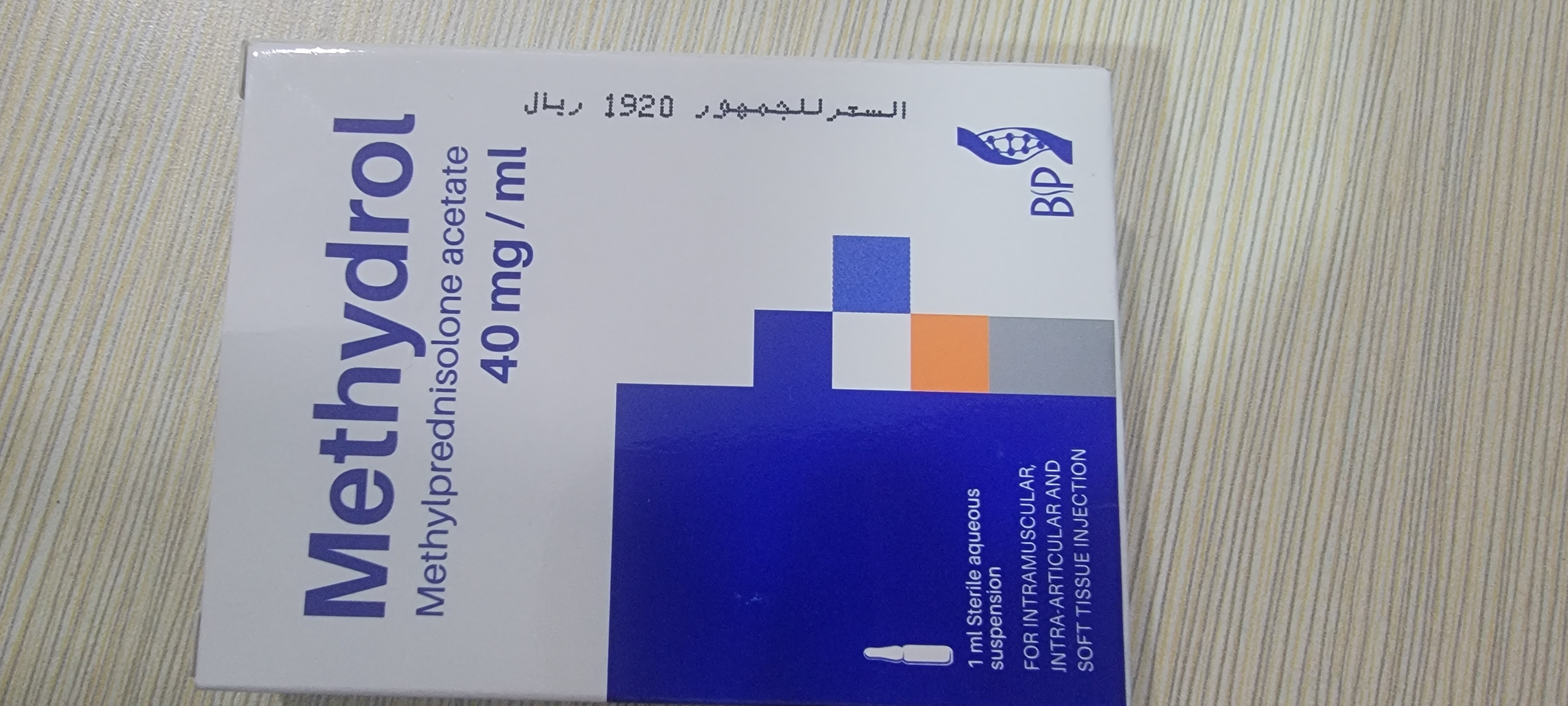
High-dose intravenous methylprednisolone pulse therapy (e.g., 1g/day for 3 days) is the standard initial intervention.
5. How does Anakinra help?
Anakinra is a recombinant IL-1 receptor antagonist. Since IL-1 is a key driver of the AOSD inflammatory cascade, blocking it provides rapid control of systemic symptoms.
6. Is MAS the same as HLH?
Clinically, yes. MAS is simply the term used when HLH occurs in the setting of a rheumatic disease like AOSD.
7. What if the patient does not respond to steroids?
If there is no clinical improvement within 24–48 hours, escalation to cyclosporine, intravenous immunoglobulin (IVIG), or etoposide is typically mandated.
8. Does the rash of AOSD always appear?
No. While it is a hallmark, it can be subtle or transient, often missed if the clinician does not perform a thorough skin exam during the fever spike.
9. Can AOSD be cured?
AOSD can be "remitted." Many patients achieve long-term remission with medication, but the potential for recurrence remains, requiring lifelong vigilance.
10. Are there specific triggers for an AOSD flare?
While often idiopathic, flares can be triggered by viral infections, physical stress, or sudden withdrawal of immunosuppressive medications.
9. Conclusion
Adult-Onset Still's Disease with Macrophage Activation Syndrome is a diagnostic and therapeutic challenge that requires a multidisciplinary approach. The synergy between rheumatology, hematology, and intensive care is vital. Clinicians should prioritize the "MAS index of suspicion": anytime a patient with known AOSD presents with a sudden drop in blood cell counts, a drop in fever, or a rise in ferritin, immediate aggressive intervention is the standard of care.
Disclaimer: This guide is for educational purposes for clinical professionals and does not replace institutional protocols or direct physician judgment. Always consult current ACR/EULAR guidelines for the management of autoinflammatory conditions.
Treatment & Management Options
Recommended Medications